
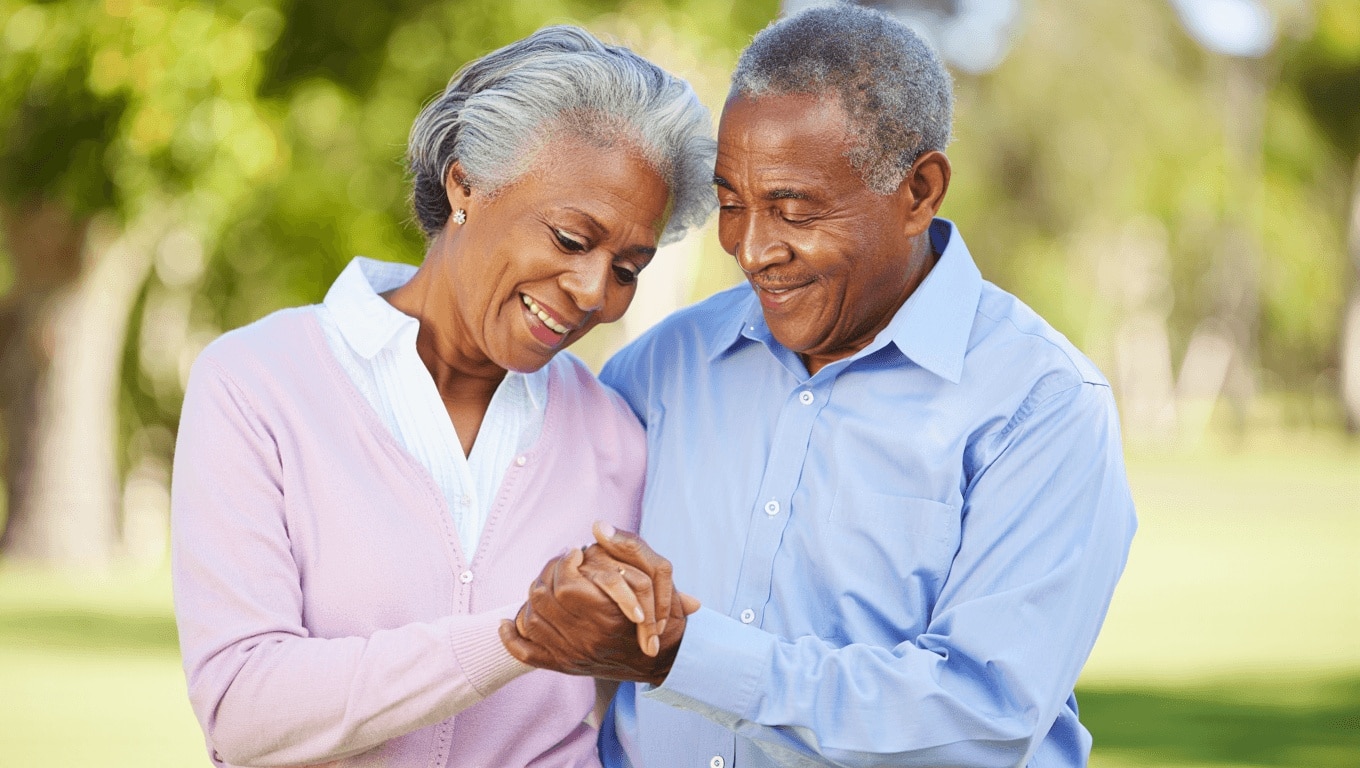
Intimacy remains a meaningful part of life for many people over 60, though public assumptions often suggest otherwise. As our population ages, more older adults are redefining relationships, desire, and affection. This shift challenges stereotypes and opens a conversation about emotional and physical connection in later life.
Why intimacy still matters for adults over 60
Emotional closeness and physical touch influence well-being at any age. For many seniors, intimacy supports mental health, reduces loneliness, and strengthens bonds.
- Emotional resilience: Close relationships help people cope with life changes.
- Physical health: Affection and sex can improve sleep, lower stress, and promote cardiovascular health.
- Identity and self-worth: Feeling desired contributes to a positive self-image.
Common myths about older adults and sexual desire — debunked
Assumptions about asexuality in later life ignore a broad reality. Desire varies widely, and many people continue to seek intimacy.
Myth 1: Desire disappears after retirement
Desire does not vanish on a birthday or after a career ends. Changes occur, but many retain interest in romantic and sexual activity.
Myth 2: Health problems make intimacy impossible
Chronic conditions can alter sexual expression, but they rarely eliminate it. Adaptation and treatment often restore satisfying connections.
Barriers that limit intimacy among seniors
Several practical and societal factors make intimacy harder for older adults. Recognizing those barriers helps create solutions.
- Loss of a partner and shrinking social circles.
- Ageism and cultural stigma around older sexuality.
- Physical pain, medications, and medical conditions.
- Lack of privacy in shared living situations.
Ways older adults maintain and rediscover intimacy
People adapt in many creative and compassionate ways. Emotional closeness can be nurtured without focusing only on sex.
- Open communication about needs and limits.
- Physical touch like holding hands, hugging, and massage.
- Scheduling private time to reconnect.
- Exploring new forms of sexual expression that fit changing bodies.
Practical tips for couples and singles
- Talk to a healthcare provider about medications and sexual side effects.
- Seek counseling for grief, loss, or relationship changes.
- Consider dating groups or community events to meet new people.
- Adapt intimacy to mobility or health limitations with creativity.
Healthcare perspectives on sexuality after 60
Medical providers increasingly recognize sexual health as part of overall care. Open conversations lead to better outcomes.
- Screen for sexual side effects: Many medications affect libido and performance.
- Address pain and function: Physical therapy and pain management can help.
- Mental health support: Therapy improves communication and reduces anxiety.
Community and resources to support older adults
Support networks, educational programs, and peer groups can normalize intimacy in later life. These resources help individuals and couples.
- Local senior centers with social activities.
- Sexual health clinics that welcome older adults.
- Counseling services specializing in later-life relationships.
- Online forums and dating platforms geared to seniors.
How families and caregivers can be respectful allies
Family members and care providers play a role in protecting privacy and dignity while supporting healthy connections.
- Respect boundaries and confidentiality.
- Facilitate access to resources without judgment.
- Create a safe environment for private moments.
Signs that professional help may be useful
When intimacy causes distress or when medical issues interfere, professional guidance can help restore connection.
- Persistent loss of desire that affects mood or relationships.
- Painful sex or significant physical barriers.
- Unresolved grief or trauma impacting intimacy.
- Difficulty forming new relationships after a major life change.
Similar Posts:
- Jelly Roll reveals sex life with wife Bunnie Xo suffered before he lost 200 pounds
- FDA approves Addyi to boost libido in postmenopausal women
- cardiovascular disease: 3 young adults reveal how they learned to thrive
- Nicole Kidman reveals she’s training to become a death doula after mother’s passing
- Paralyzed 14-year-old girl from neck down after rare spinal stroke: was recovering from flu

Cole is a passionate vegan dessert artist with a knack for turning indulgent classics into plant-based masterpieces. His sweet creations are where flavor meets conscious living.