
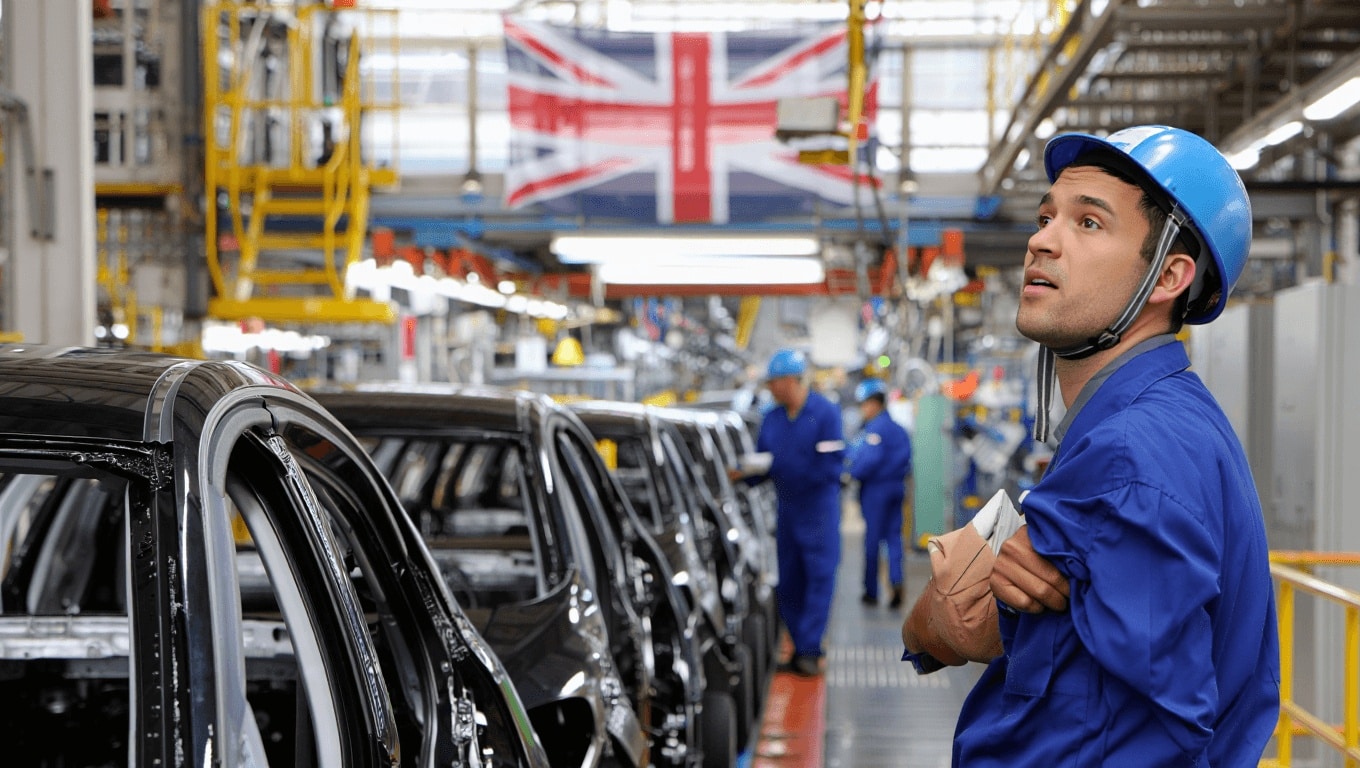
Britain’s car industry has hit a rough patch, with production falling in the first half of the year and industry chiefs warning that urgent measures are needed to protect jobs and investment. New figures show weaker output and persistent cost pressures, prompting calls for government action to keep the UK competitive as a manufacturing base.
Production slide: the numbers behind the decline
Latest statistics reveal a notable dip in vehicle manufacturing across the UK. Output of new cars and commercial vehicles in the first six months of 2026 fell by 7.5% compared with the same period last year.
- Total production in H1 reached just under 386,000 units, down from around 417,000 a year earlier.
- June alone recorded a further drop of 1.2% month-on-month.
- Despite the slowdown, the sector remains export-oriented, with more than 294,000 vehicles shipped overseas in the first half of the year.
Why manufacturers say the situation is worrying
Executives and trade bodies point to several pressures weighing on production and investment decisions. High operating costs and softer global demand are squeezing margins. Energy prices have been repeatedly flagged by senior industry leaders as a deterrent to expanding UK plants.
Manufacturers argue that unless the cost base improves, new investment could be diverted to more cost-effective locations. That would slow the sector’s ability to rebound and scale up electric vehicle production.
SMMT assessment: jobs, turnover and regional impact
The Society of Motor Manufacturers and Traders (SMMT) has highlighted the economic importance of the automotive sector and the risks it now faces. The organisation estimates the sector supports 188,000 jobs and contributes more than £85 billion in turnover.
- The core car and commercial vehicle industry adds roughly £18 billion in gross value.
- The wider automotive ecosystem — including retail, service and repairs — is valued at about £400 billion.
- SMMT analysis identifies a potential £4.6 billion opportunity from increased domestic sourcing by the end of the decade.
Targets and the scale of recovery needed
Industry planners say reaching a long-term ambition of producing more than one million vehicles annually would demand a substantial rebound. That would require production to grow by roughly 40% from current levels.
Such growth is feasible, according to trade bodies, but only if fresh investment arrives and the UK becomes more attractive for international manufacturers.
Trade rules and cross-Channel risks
Concerns over EU policy shifts have added to unease. Proposals on origin rules and the so-called “Made in Europe” measures could make cross-Channel supply chains more complex.
SMMT warns these changes risk disrupting trade flows worth tens of billions. Without adjustment, the valued trade relationship between the UK and EU — estimated at about €80 billion (£68 billion) — could face strain.
Policy fixes the industry is pushing for
Executives and the SMMT have set out a short list of reforms they believe would arrest decline and restore growth.
- Lower energy costs or targeted support for energy-intensive plants.
- Regulatory reform to reduce unnecessary burdens and boost manufacturing competitiveness.
- Smoother trading arrangements with global partners to protect exports and supply chains.
Industry leaders are urging the new government to prioritise policies that make the UK a more attractive place to locate vehicle production and component supply.
Voices from industry leadership
The SMMT chief stressed that global market weakness and higher costs are hitting production across the world, and that the UK is not immune. He said decisive action from policymakers could turn the slide around and restore growth across regions.
Senior executives at major manufacturers have repeatedly highlighted energy bills as a key factor in profitability. They warn that sustained high costs will deter long-term investment in UK facilities.
Other developments shaping the motoring landscape
While production figures dominate the industry debate, several related stories are trending and could affect public perception and policy.
- Transport for London has targeted several carmakers amid claims of unpaid ULEZ charges worth an estimated £1 billion.
- Changes to driving licence rules have been confirmed, affecting thousands of road users.
- Warnings have gone out that some emergency vehicle technologies may not work reliably until 2027, prompting caution among motorists and fleets.
Similar Posts:
- UK car production plunges: 188,000 automotive jobs at risk as industry demands urgent action
- UK car production plunges again: major brands under intense pressure
- Brexit rules to hit Britons: made in Europe plans threaten UK car sector
- Nissan warns Sunderland factory could close: existential threat from EU
- Canada threatens to sue Stellantis over US production: workers sacrificed on the Trump altar

Naomi is a clean beauty expert passionate about science-driven skincare and natural remedies. She demystifies ingredients and shares routines that empower readers to glow — naturally.