
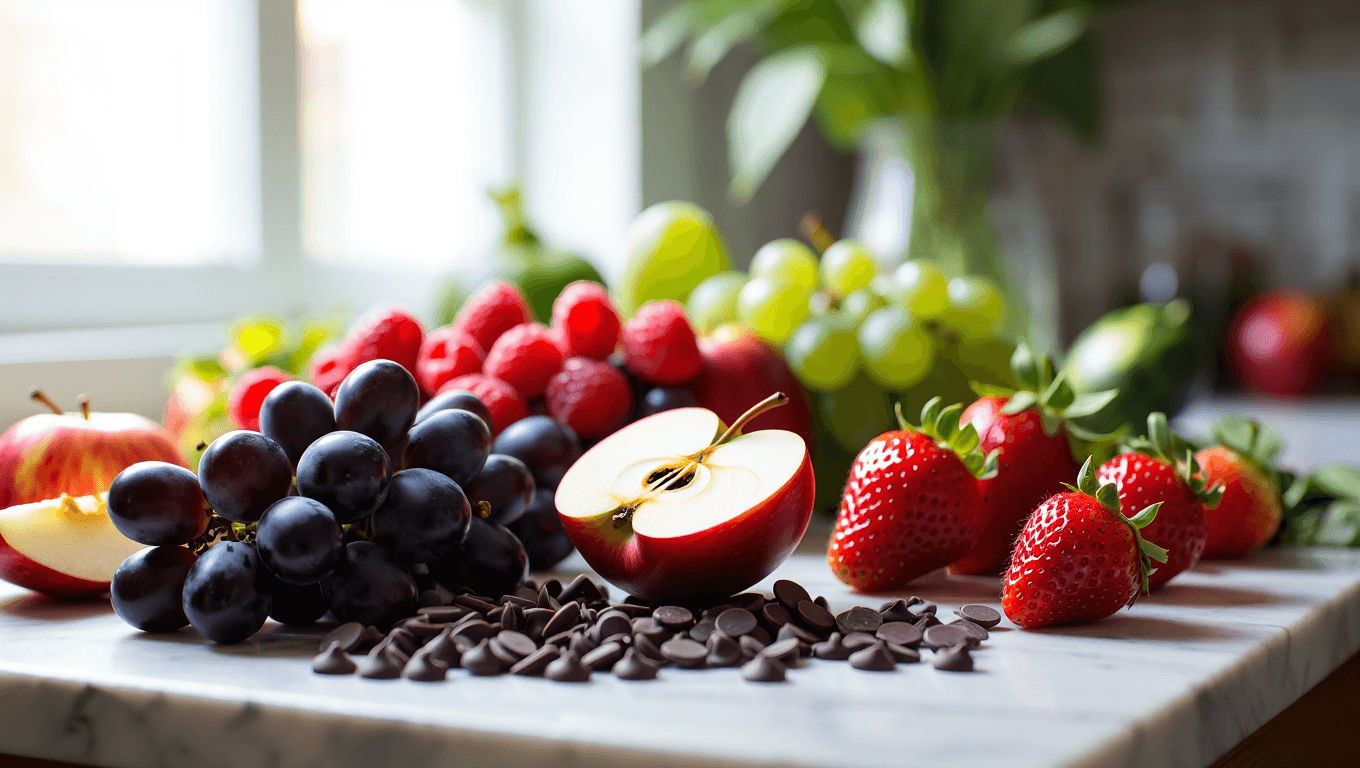
New research increasingly points to a simple dietary shift that can make a measurable difference in cardiovascular risk: choosing fruits and vegetables rich in flavanols. These plant compounds show promise in supporting blood vessel health, lowering blood pressure, and dialing down inflammation—effects that add up for the heart over time.
What flavanols are and why they matter for heart health
Flavanols are a subgroup of polyphenols found in many plant foods. They act as antioxidants and help regulate blood vessel tone. Researchers believe flavanols improve the production of nitric oxide, a molecule that relaxes arteries.
Improved endothelial function and better blood flow are central to how flavanols support cardiovascular health. This can translate into lower blood pressure and reduced strain on the heart.
Top flavanol-rich fruits, vegetables and beverages to add to your diet
Not all produce has equal flavanol content. Choosing specific foods can boost your intake efficiently.
- Berries — especially blueberries, blackberries, and elderberries.
- Apples — skins contain the bulk of flavanols.
- Grapes — particularly dark-skinned varieties and red grape products.
- Tea — green and black tea both deliver flavanols.
- Cocoa and dark chocolate — high-quality dark chocolate is a notable source.
- Leafy greens and certain vegetables — like spinach and broad beans, though amounts vary.
How to choose the best options
- Prefer whole fruits over juices to preserve fiber and reduce sugar spikes.
- Select minimally processed tea and cocoa products to retain flavanol levels.
- Eat the skin of fruits like apples when possible; it contains concentrated flavanols.
What the science says: evidence linking flavanols to cardiovascular benefits
Several types of studies point to benefits. Observational research links higher flavanol intake with lower risks of heart disease. Controlled trials show short-term improvements in blood pressure and endothelial function after flavanol-rich meals or supplements.
Meta-analyses combining trial data suggest consistent, if modest, reductions in systolic and diastolic blood pressure. The effects are strongest in people with existing risk factors, such as hypertension or metabolic syndrome.
Key mechanisms researchers cite
- Enhanced nitric oxide bioavailability, which relaxes blood vessels.
- Lowered oxidative stress and inflammation in vascular tissue.
- Improved insulin sensitivity and lipid profiles in some studies.
How to incorporate flavanol-rich foods into everyday meals
Simple swaps can raise flavanol intake without extra effort. Breakfast and snacks are easy places to start.
- Add berries to oatmeal or yogurt.
- Snack on an apple with nut butter instead of processed sweets.
- Choose green or black tea over sugar-sweetened drinks.
- Use small portions of high-quality dark chocolate as an occasional dessert.
- Fold leafy greens into smoothies and salads for a nutrient boost.
Who may benefit most and how much to aim for
Adults with high blood pressure, older adults, and people with early signs of cardiovascular disease show the clearest gains in studies. There is no universally accepted daily target for flavanols.
Practical goals include two servings of flavanol-rich fruit daily and regular cups of tea. For cocoa, modest portions of dark chocolate a few times per week may help.
Safety, supplements, and important cautions
Whole foods are preferable to isolated supplements for long-term health. Some flavanol supplements have shown benefits, but quality varies and long-term safety data are limited.
- Watch added sugars in fruit juices and processed snacks.
- Be cautious with high-dose supplements if you take prescription medications.
- Choose dark chocolate with high cocoa content and low sugar.
Talk with your clinician before starting supplements, especially if you have existing health conditions or take blood thinners.
What researchers want to study next
Key questions remain. Scientists aim to pinpoint optimal doses, identify the most effective food sources, and understand long-term effects on heart attacks and strokes. Large, long-term trials are underway to answer these gaps.
Meanwhile, prioritizing flavanol-rich fruits, vegetables, and beverages is a low-risk strategy that fits within heart-healthy eating patterns.
Similar Posts:
- Doctor Alert: The Hidden Dangers of OTC Supplements on Blood Pressure – Exercise Caution!
- Plant-based diet may boost heart health: could cut cancer and kidney disease risk
- plant-based diets may slash diabetes and heart disease risk
- Early menopause linked to high blood pressure: 6 proven ways to cut your risk
- Plant-based diets rival Mediterranean diet for health: study

Cole is a passionate vegan dessert artist with a knack for turning indulgent classics into plant-based masterpieces. His sweet creations are where flavor meets conscious living.