
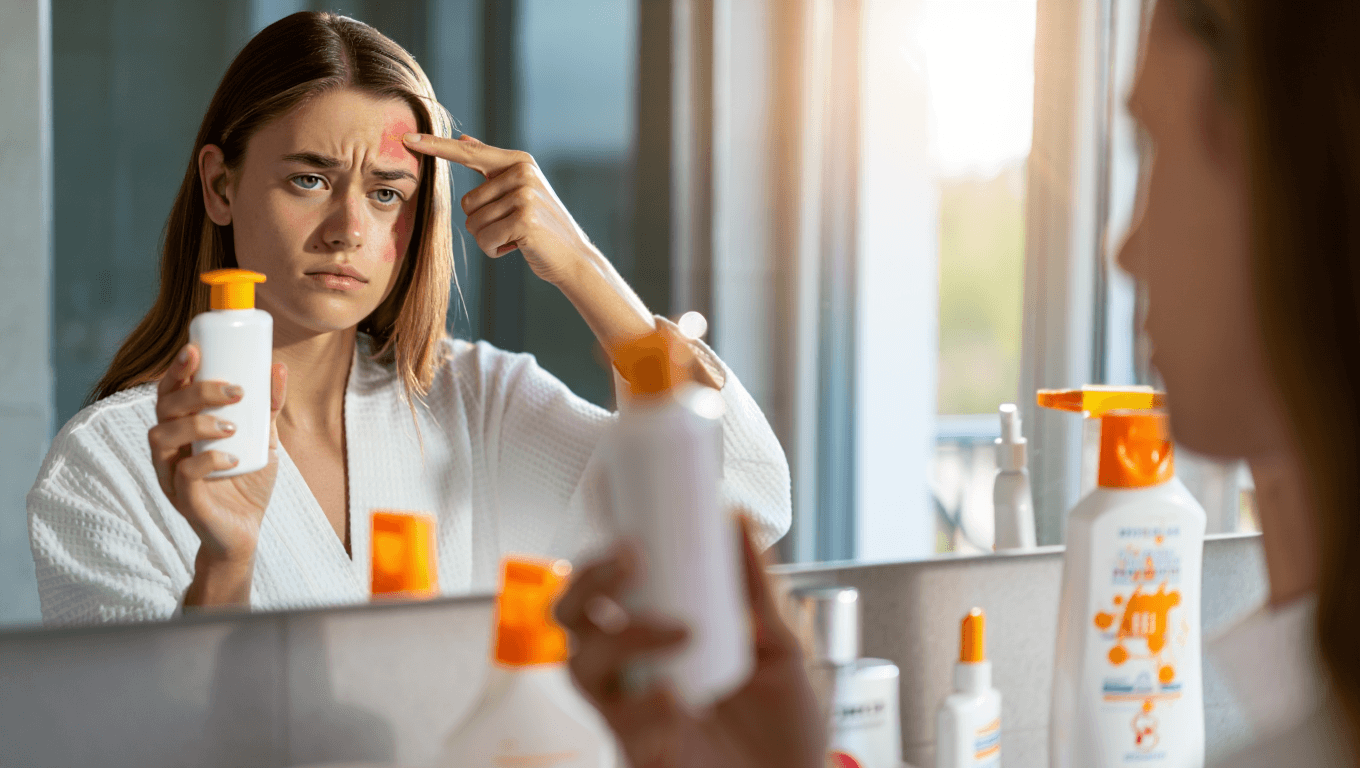
Every day, thousands of posts promise the best sunscreen routines, miracle filters, or hidden dangers in lotion bottles. Social platforms push viral tips that feel urgent and simple. But sun protection is a medical and scientific topic, not just a trend. Read on to learn how to separate useful guidance from risky myths when you see sunscreen advice online.
Why social media shapes how we think about sunscreen
Algorithms favor dramatic, short messages over nuance. A catchy clip or a before-and-after photo can spread faster than a careful explanation. Influencers may lack medical training but still sway large audiences. Brands use sponsored posts and affiliates to boost visibility.
- Speed beats accuracy: Viral posts often skip context.
- Visual proof is persuasive: Photos and videos create false authority.
- Commercial motives matter: Paid endorsements can bias claims.
How to assess the credibility of a sunscreen tip
Not every helpful post comes from an expert, and not every expert uses Instagram. Learn to evaluate content quickly so you can act safely.
Questions to ask before trusting a post
- Is the author a qualified professional, like a dermatologist or pharmacist?
- Do they cite reputable sources, such as peer-reviewed studies or health agencies?
- Is the content sponsored or linked to product sales?
- Are claims specific and testable, or vague and sensational?
If a post makes grand promises or contradicts mainstream guidance, be skeptical.
Essential facts about sunscreen everyone should know
Basic, evidence-based knowledge protects you from both sun damage and misinformation.
- SPF measures UVB protection, not UVA: Look for “broad spectrum.”
- Use enough: Most people apply far too little. Adults need about one ounce for full body coverage.
- Reapply regularly: Every two hours, or after swimming or sweating.
- Water resistance is specific: No sunscreen is waterproof forever; follow the label.
- Sunscreen complements other measures: Wear hats, sunglasses, and seek shade.
Common myths and warning signs on social feeds
Many viral claims repeat the same errors. Spotting these patterns helps you avoid harm.
- “No need for sunscreen on cloudy days”: UVA rays still reach the skin.
- “Natural equals safe”: Botanical ingredients can be allergenic and vary in protection.
- “Higher SPF means no reapplication”: SPF reduces sunburn risk but does not make products permanent.
- Claims of instant or permanent repairs: Sun damage is cumulative; quick fixes are suspect.
How to verify sunscreen ingredients and claims
Take small steps to check facts before you buy or follow a routine from a post.
- Read the label for active ingredients like zinc oxide or avobenzone.
- Confirm “broad spectrum” and check the SPF number.
- Search for product reviews from independent labs or consumer reports.
- Look up ingredients on reputable databases, such as government or academic sites.
- When in doubt, ask a licensed dermatologist or pharmacist.
How influencers and creators may mislead, intentionally or not
Not all misinformation is malicious. Many creators share personal routines without clinical evidence.
- Sponsored posts can omit study limitations.
- Before-and-after images may use filters or lighting tricks.
- Small sample stories do not equal scientific proof.
- Affiliate links create financial incentives to promote products.
Practical checklist before you follow a sunscreen post
Use this quick list to make safer choices when you see advice online.
- Check the author’s credentials.
- Verify claims via trusted health agencies.
- Examine product labels for SPF and active filters.
- Confirm water resistance and reapplication recommendations.
- Cross-check with independent reviews or lab data.
- Consult a professional for specific skin conditions.
When a post warrants immediate caution
Certain red flags should prompt you to stop and research before acting.
- Promised cures for sun damage or skin cancer.
- Advice that contradicts public health recommendations.
- Testimonials presented as scientific evidence.
- Pressure to buy now with limited-time offers.
Similar Posts:
- FDA approves new sunscreen ingredient used in Europe and Asia for years: what it means for you
- Baking soda skin care risks: experts warn against viral hacks
- Unlock Flawless Skin: Why Investing in Your 20s is Key!
- Winter Skincare Secrets: How to Maintain Radiant Skin on Your Cold-Weather Getaway!
- Skin care products that make fine lines more noticeable: dermatologist reveals what to use instead

Cole is a passionate vegan dessert artist with a knack for turning indulgent classics into plant-based masterpieces. His sweet creations are where flavor meets conscious living.