
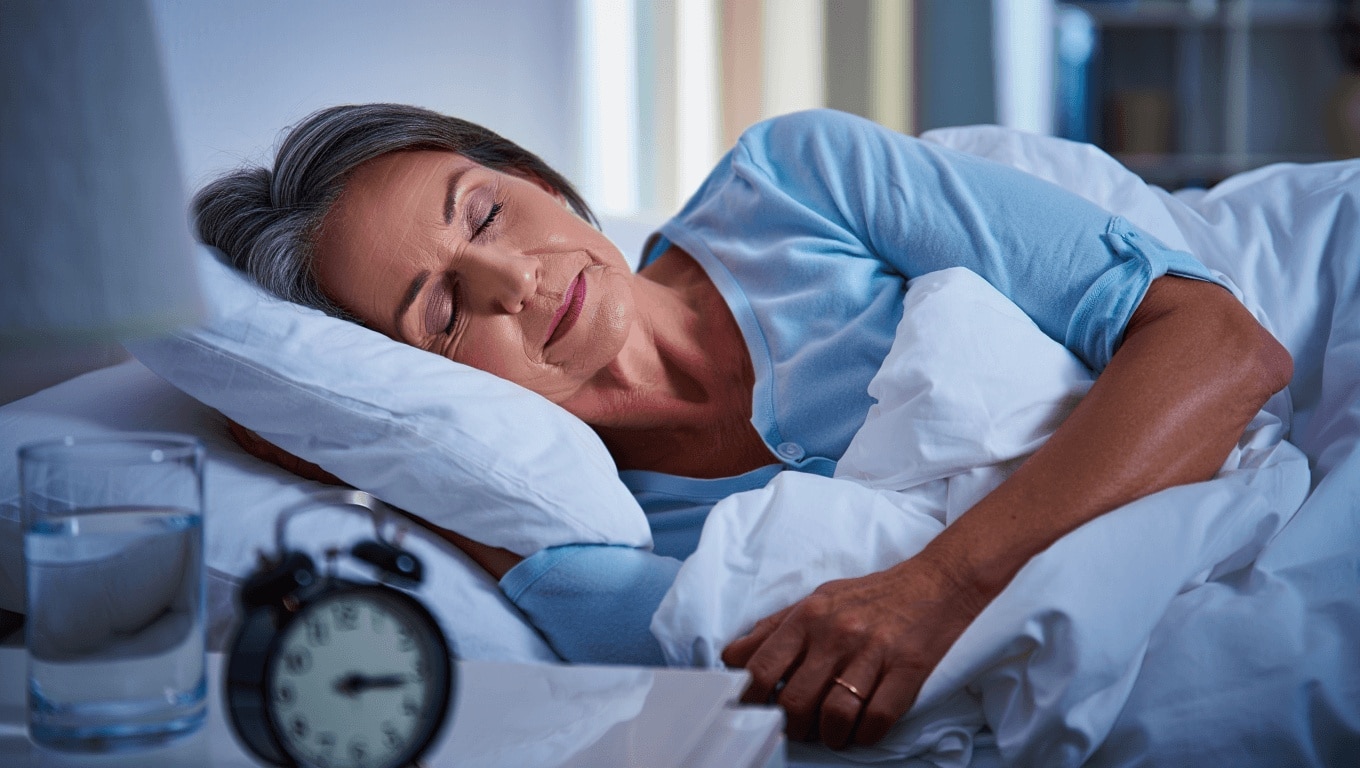
New evidence suggests your nightly sleep length could affect how fast your body ages at a cellular level. A recent study points to a specific sleep window that correlates with slower biological aging. That finding adds to growing research linking rest to long-term health and offers practical targets for everyday routines.
What the new research found about sleep and biological age
Researchers compared habitual sleep time with markers of biological aging. They used epigenetic clocks that estimate age from DNA methylation patterns. The analysis revealed a clear zone of sleep duration associated with younger biological profiles.
Sleeping between 6.4 and 7.8 hours per night was linked to a slower pace of epigenetic aging than shorter or longer sleep. The relationship held after adjusting for common factors such as lifestyle and chronic conditions.
Why epigenetic clocks matter for understanding aging
Epigenetic clocks are lab tools that measure chemical tags on DNA. These tags change with time and exposure to stress. Scientists treat the clock readouts as a proxy for biological age.
- They capture accumulated molecular damage better than chronological age.
- They respond to lifestyle factors like smoking, diet, and physical activity.
- They can reveal subtle effects of sleep on cell function and repair.
Possible biological reasons sleep influences cellular aging
Sleep affects many systems that maintain cellular health. Lack of sleep disturbs immune response, metabolism, and DNA repair. Over time, disturbed systems can accelerate methylation changes on DNA.
- Inflammation: Poor sleep raises inflammatory markers, which can shift epigenetic patterns.
- Hormonal balance: Sleep regulates hormones such as cortisol and melatonin that influence cell turnover.
- DNA repair: Nighttime processes repair molecular damage; less sleep reduces repair time.
How strong is the evidence — and what it does not prove
The finding is observational. That means it shows association, not direct cause and effect. People who sleep within the 6.4–7.8-hour range may also have other healthy habits.
- Confounding factors can influence both sleep and epigenetic age.
- Different populations may show varied optimal ranges.
- Experimental trials are needed to test whether changing sleep alters biological aging.
Practical steps to aim for healthier sleep and aging markers
Small, consistent habits can shift your sleep toward the suggested window. Improve quantity and quality without dramatic lifestyle overhauls.
- Keep a stable sleep schedule. Go to bed and wake at similar times daily.
- Create a calming pre-sleep routine. Dim lights and avoid screens an hour before bed.
- Prioritize comfort. Optimize mattress, pillows, and room temperature.
- Limit caffeine and heavy meals in the evening.
- Exercise regularly but avoid vigorous workouts close to bedtime.
- Seek help for persistent sleep problems such as insomnia or sleep apnea.
Who should be cautious about applying these recommendations
The target sleep window may not suit everyone. Elderly people, shift workers, and those with medical conditions might need different schedules. Also, sleep quality matters as much as total hours.
- People on shift work often have misaligned circadian rhythms.
- Chronic illnesses can change sleep needs and patterns.
- Children and adolescents have different recommended sleep durations.
How to monitor changes in biological aging and sleep
Directly measuring epigenetic age usually requires laboratory testing. Still, you can track related health signs at home and with your doctor.
- Use sleep diaries or apps to record nightly duration and quality.
- Watch for daytime sleepiness, mood shifts, and cognitive changes.
- Discuss biomarker testing with a clinician if you want direct measures.
What researchers want to explore next about sleep and aging
Future work will likely test whether changing sleep patterns can alter epigenetic clocks. Longer trials and diverse populations are needed. Scientists will also probe mechanisms linking sleep architecture to methylation shifts.
Understanding whether certain sleep stages are more protective could refine recommendations. Interventions that combine sleep improvement with diet and exercise may show the largest benefit.
Similar Posts:
- Multivitamin may slow biological aging in older adults: study finds
- Movies and museums may slow biological aging: study finds cultural outings linked to younger biology
- Slow aging: multivitamins, diet and fitness could help
- Drama queen could make you age faster: the hidden health cost
- Sleep and 5-minute exercise cut cardiovascular risk: just 11 extra minutes matter

Cole is a passionate vegan dessert artist with a knack for turning indulgent classics into plant-based masterpieces. His sweet creations are where flavor meets conscious living.