
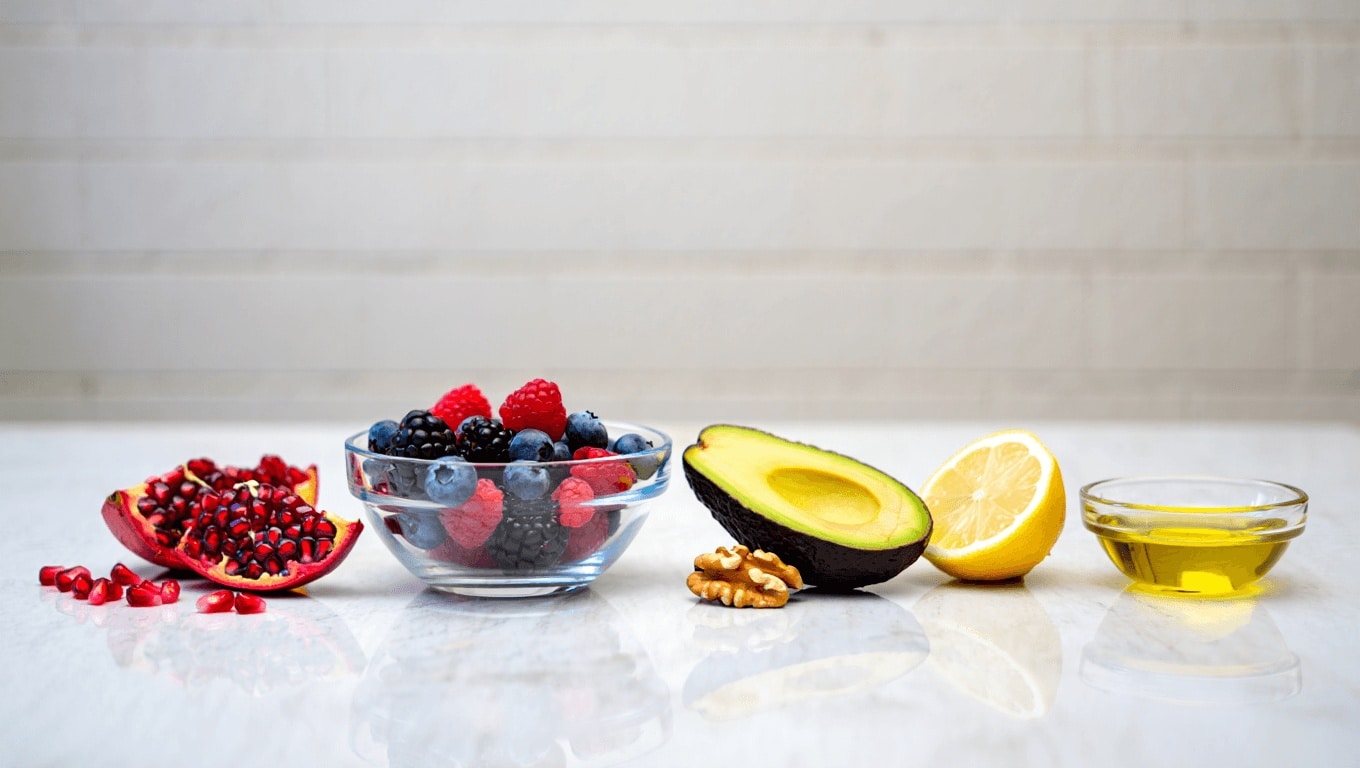
Winter air robs skin of moisture, leaving many faces dull, tight, or flaky. Changing what you eat can help restore radiance. A skin scientist says simple pantry choices may boost hydration, calm irritation, and slow visible ageing this season.
Why diet matters for winter skin health
Cold, dry air and indoor heating strip the skin’s natural oils. Topical creams help, but internal nutrition is crucial too. Food supplies the building blocks for skin repair, hydration, and resilience.
- Hydration and barrier function rely on fats, water-rich foods, and electrolytes.
- Collagen production needs vitamin C and amino acids from protein.
- Antioxidants protect against inflammation and environmental stress.
Five foods a scientist highlights for firmer, more hydrated skin
Skin scientist Dr Majad Hussain, co-founder of MiQuest, points to five everyday foods that support skin during cold months. Each brings specific nutrients that address dryness, inflammation, and early ageing.
Avocado: moisture and barrier repair
Avocados are high in healthy monounsaturated fats and water. These keep skin supple and help seal in moisture.
- Nutrients: oleic acid, vitamin E, vitamin C, potassium.
- Benefits: strengthens the lipid barrier and reduces transepidermal water loss.
- Serving idea: mash on toast, add to smoothies, or slice into salads.
Tip: Pair avocado with a vitamin-C food to boost antioxidant protection and collagen support.
Oily fish: omega-3s for calm, elastic skin
Salmon, mackerel, and tuna deliver high levels of omega-3 fatty acids. These fats help lock moisture into the skin and dampen inflammation caused by harsh weather.
- Nutrients: EPA and DHA (omega-3s), high-quality protein.
- Benefits: improves barrier function, reduces redness, and supports firmness.
- Serving idea: bake salmon with herbs, add tuna to salads, or grill mackerel for dinner.
Note: Aim for two servings of oily fish per week, or discuss supplements with a clinician if you eat little fish.
Oranges and citrus: vitamin C and water boost
Citrus fruits are hydrating and rich in vitamin C, a key nutrient for collagen formation and brightening skin tone.
- Nutrients: vitamin C, folate, natural water content.
- Benefits: supports collagen synthesis, reduces inflammation, and improves moisture levels.
- Serving idea: snack on a whole orange, squeeze into dressings, or mix segments into winter salads.
Spinach and leafy greens: circulation and antioxidant support
Leafy greens are dense in vitamins and minerals that promote healthy cell turnover and better blood flow to the skin.
- Nutrients: vitamins A, C, K, iron, antioxidants, water.
- Benefits: helps maintain hydration, supports repair, and strengthens tiny blood vessels.
- Serving idea: toss into soups, blend into smoothies, or lightly sauté with garlic.
Sweet potato: beta‑carotene for protection and moisture
Sweet potatoes are rich in beta‑carotene, which the body converts to vitamin A. This helps preserve skin moisture and can protect against light damage.
- Nutrients: beta‑carotene, vitamins A and C, complex carbs.
- Benefits: improves skin turnover and reduces water loss; supports overall tone.
- Serving idea: roast wedges, mash with herbs, or add to stews and curries.
How the key nutrients work for skin in winter
Understanding what each nutrient does helps you build meals that support skin resilience.
- Omega‑3 fatty acids maintain membrane flexibility and calm inflammation.
- Vitamin C is essential for collagen and antioxidant defense.
- Vitamin A and beta‑carotene regulate cell turnover and reduce dryness.
- Vitamin E protects lipids in skin cells from oxidative damage.
- Hydrating foods add water and electrolytes to complement topical moisturizers.
Simple swaps and meal ideas to boost skin-friendly nutrients
Small changes to daily meals make a big impact over weeks. Here are easy ways to include the five foods.
- Breakfast: add sliced avocado to eggs or blend spinach into a citrus smoothie.
- Lunch: top salads with grilled salmon or canned tuna and a citrus dressing.
- Dinner: roast sweet potato with a side of sautéed greens and a drizzle of olive oil.
- Snacks: orange segments, avocado on wholegrain crackers, or spinach dip with veg sticks.
- Batches: make a fish‑rich soup or roasted veg tray for several days of meals.
Practical advice from professionals for winter skincare and diet
Experts stress that food supports but does not replace a tailored skincare routine. Combine nutrition with protective measures for best results.
- Moisturise regularly and use a gentle cleanser to avoid stripping oils.
- Protect skin from UV with SPF, even in winter.
- Stay hydrated by drinking water and eating water‑rich fruit and veggies.
- Consult a dermatologist or nutritionist before starting supplements.
- Focus on variety. A balanced plate beats single‑food fixes.
Similar Posts:
- Dermatologist Reveals Must-Have Anti-Aging Skincare Often Missed by Many
- Collagen and skin health: does the research really back the hype?
- Skin care products that make fine lines more noticeable: dermatologist reveals what to use instead
- Skin looks older than it is: doctor reveals 2 causes, none are wrinkles
- Winter Skincare Secrets: How to Maintain Radiant Skin on Your Cold-Weather Getaway!

Naomi is a clean beauty expert passionate about science-driven skincare and natural remedies. She demystifies ingredients and shares routines that empower readers to glow — naturally.