
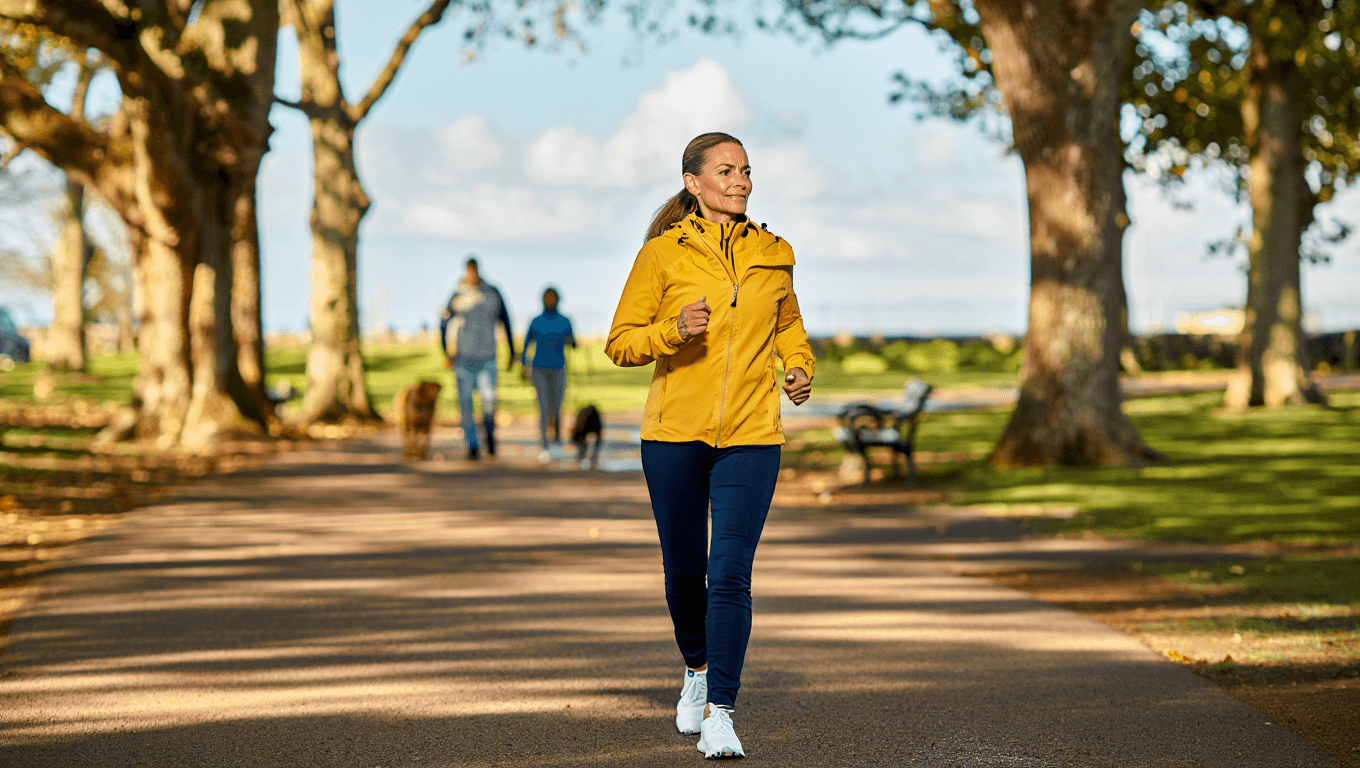
A simple, daily stroll of just ten minutes may have a powerful effect on longevity, according to fresh research that links short bouts of movement with reduced mortality. The finding challenges the idea that only long workouts count and offers a realistic route to better health for busy people.
New study links a 10-minute walk to lower risk of early death
Researchers analyzed activity data from thousands of participants to explore how short periods of movement affect long-term survival. They found that even minimal increases in daily walking were associated with meaningful benefits.
Study design at a glance
- Large sample of adults monitored over several years.
- Objective activity tracking used, such as wearable devices.
- Adjustments made for age, smoking, chronic illness, and other factors.
Key outcomes reported
About a 15% lower risk of dying early was observed among people who added short, regular walking sessions. Benefits were seen across age groups and activity levels, although the largest gains appeared in those who were least active to begin with.
Why short walks produce outsized benefits
Several biological and behavioral mechanisms may explain the impact of brief walks. Even light activity improves blood flow and insulin sensitivity. It also reduces sedentary time.
- Improves circulation and heart health.
- Helps regulate blood sugar.
- Breaks up long periods of sitting, which carry health risks.
- Supports mental well-being and stress relief.
How to build a 10-minute walking habit
Making a daily ten-minute walk part of your routine is simple. Small, consistent choices often matter more than occasional long workouts.
- Schedule it: pick a fixed time each day, such as after lunch.
- Start small: aim for two five-minute segments if needed.
- Pair it with another habit, like a phone call or podcast.
- Use reminders or alarms to keep momentum.
- Choose varied routes to stay motivated.
Practical options for different lifestyles
Ten minutes can fit into many parts of a day. Here are realistic ways to add movement.
- Walk around the block during a work break.
- Take the stairs instead of the elevator for a few flights.
- Park farther from your destination and walk.
- Do a short loop inside on bad-weather days.
Who stands to gain most and safety tips
People who are mostly sedentary saw the clearest benefits. But the advice is broadly applicable.
When to check with a clinician
- If you have heart disease, recent surgery, or unstable symptoms.
- If walking causes chest pain, dizziness, or breathlessness.
- Older adults with balance problems should seek guidance.
Start gently and increase duration or pace as tolerated.
Public health and real-world implications
Adding a ten-minute walk is a low-cost, scalable strategy. Employers, cities, and health systems could promote short activity breaks to boost population health.
Practical measures might include walk-friendly workplaces, safe pedestrian routes, and programs that encourage brief activity.
Similar Posts:
- Heart disease risk may drop with a 15-minute daily walk: the tiny habit that helps
- Steps per day by age for optimal heart health: fitness expert reveals
- Brisk walking could add years to your life and cut heart disease risk
- Here’s how long you should walk to effectively burn fat
- Can a 10-minute power walk really transform your metabolism? Science says yes

Cole is a passionate vegan dessert artist with a knack for turning indulgent classics into plant-based masterpieces. His sweet creations are where flavor meets conscious living.