
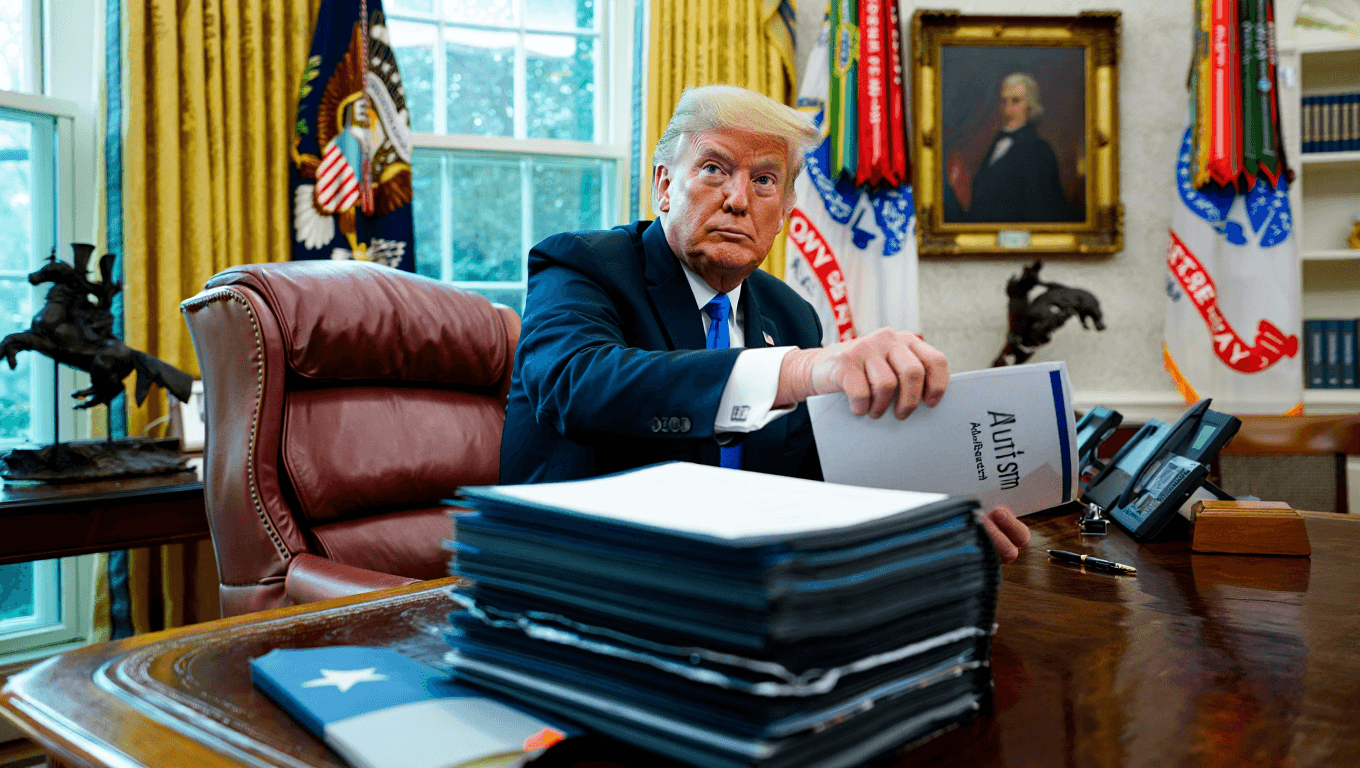
The White House is reportedly weighing an executive order that would reshape how federal agencies address vaccine safety and autism concerns, reigniting a heated national discussion. The proposal, still in draft form, has prompted swift reactions from health experts, lawmakers and advocacy groups who warn about public health consequences and the spread of misinformation.
What officials say is in the draft order
Sources familiar with the matter describe a range of possible directives under consideration. The measures would not yet be final, but they sketch a shift in federal priorities.
- Direct federal health agencies to review vaccine safety data and communication strategies.
- Increase funding for research into autism causes and vaccine side effects.
- Require clearer public reporting on adverse events following immunization.
- Task the Department of Health and Human Services with creating a centralized vaccine-safety office.
Administration officials say the intent is to reassure families and improve oversight. Critics argue the move could lend credence to debunked claims linking vaccines to autism.
How public health experts are responding
Medical and scientific communities have rapidly pushed back on the idea that vaccines and autism are linked.
- Major health bodies maintain there is no credible evidence that routine childhood vaccines cause autism.
- Experts caution that emphasizing unproven connections can reduce vaccination coverage.
- Some researchers support more study into autism’s causes but stress rigorous methods.
Public health officials warn that lower vaccination rates can lead to outbreaks of preventable diseases.
Political implications and partisan reactions
The proposal has split lawmakers along party lines and created fresh debate ahead of upcoming elections.
- Supporters frame the effort as government transparency and responsiveness to concerned families.
- Opponents say the move panders to misinformation and could undermine established public-health policy.
- Some legislators have announced plans for hearings if an order is issued.
Legal and regulatory issues to watch
Implementing an executive order would require navigation of federal law and agency authority.
- Court challenges could arise over the scope of agency directives.
- Regulatory changes may need rulemaking and public comment periods.
- Coordination with FDA, CDC and NIH would be essential to avoid conflicts.
Potential effects on families and vaccination rates
Community leaders, pediatricians and parent groups are monitoring the situation closely.
- Some parents seeking more information may welcome increased transparency.
- Others fear the focus could amplify false narratives and discourage routine vaccination.
- Public clinics and school systems may face pressure from both sides.
Health providers emphasize maintaining evidence-based guidance to protect children and communities.
What comes next: timeline and possible outcomes
Officials say a final decision could come quickly or be shelved as advisers weigh the risks.
- Internal reviews and briefings for senior staff.
- Drafting of formal language and legal vetting.
- Announcement, implementation, or withdrawal depending on feedback.
Observers expect vigorous public debate and likely legal scrutiny if an order is issued.
Similar Posts:
- Childhood vaccine schedule cut: HHS recommends fewer shots
- COVID vaccine study finally released after CDC block: surprising findings
- Flu shot this fall: do experts say you need one?
- COVID-19 vaccines: FDA approves 4 updated shots for 2026–27 season
- Thimerosal Safety in Flu Shots: Experts Weigh In on CDC’s Latest Vaccine Verdict

Cole is a passionate vegan dessert artist with a knack for turning indulgent classics into plant-based masterpieces. His sweet creations are where flavor meets conscious living.