
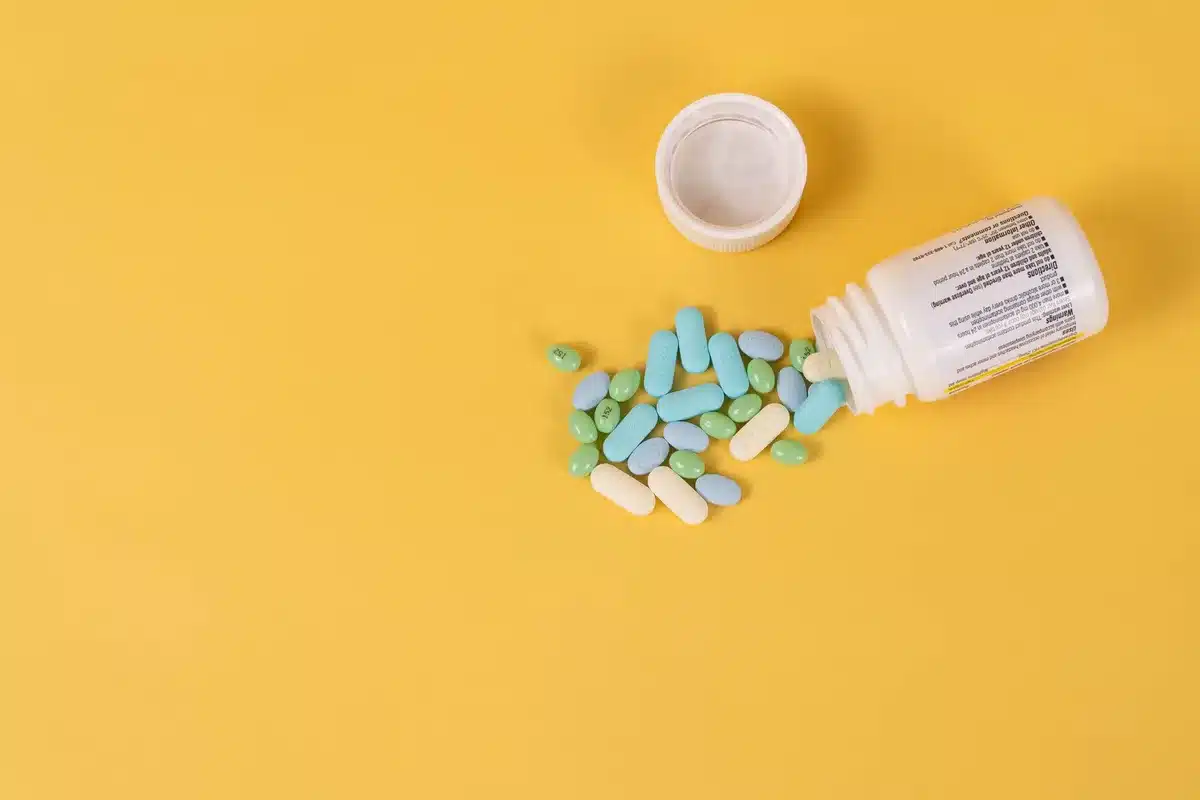
A nationwide recall of a commonly prescribed thyroid medication has left patients anxious and looking for clear steps. If your prescription might be affected, knowing how to check lot numbers, what symptoms to watch for, and how to get a safe replacement can calm the situation and keep your treatment on track.
How to find out if your thyroid medicine was recalled
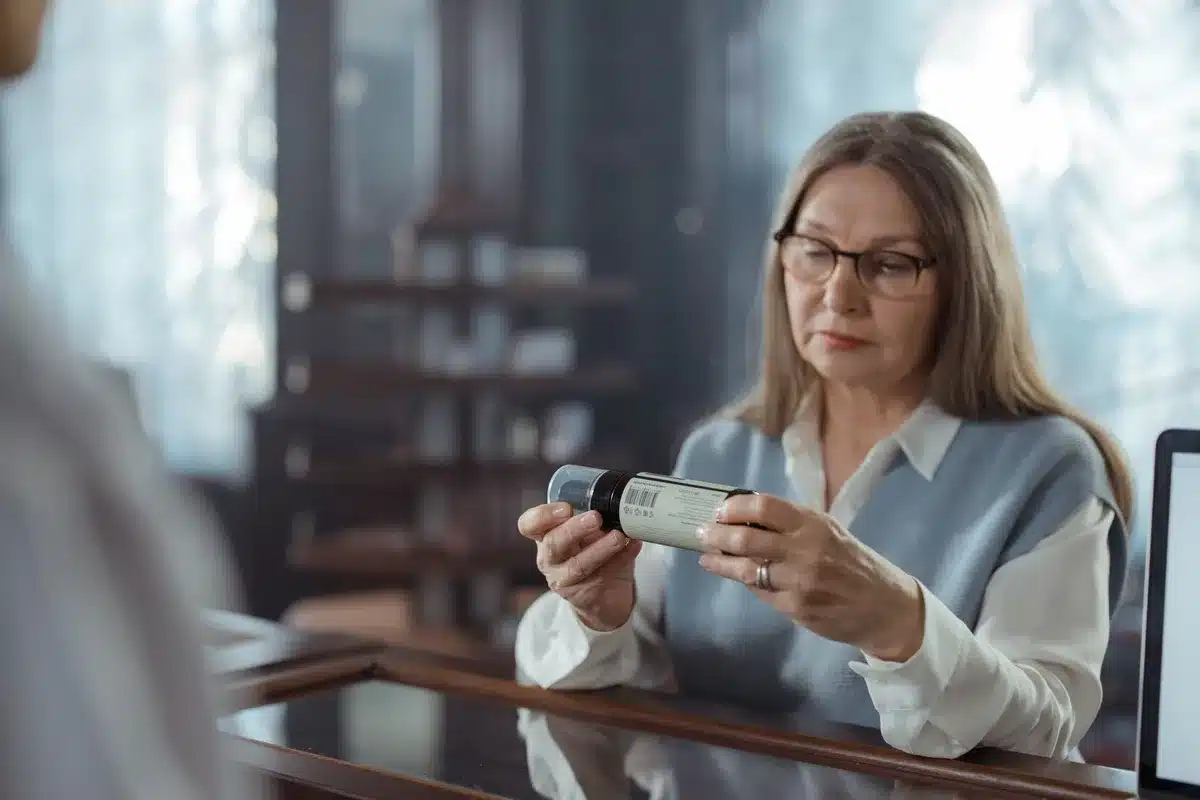
- Check the pill bottle or packaging for the lot number and expiration date.
- Look for a recall notice from your pharmacy, insurer, or drug manufacturer.
- Visit the FDA website or the manufacturer’s recall page to match your lot number.
- Call your pharmacy and ask if the specific batch you received is included in the recall.
Immediate steps to take if your medication is on the recall list
- Do not stop taking the medicine abruptly without medical advice.
- Contact your prescribing clinician or an on-call provider right away.
- Ask your pharmacist about an approved replacement or equivalent brand.
- Keep the affected medication in a safe place in case the pharmacy requests a return.
What to tell your doctor or pharmacist
- The name of the drug and the lot number.
- When you filled the prescription and how many pills you have left.
- Any recent changes in symptoms or lab tests.
- Pregnancy, breastfeeding, or other medical conditions.
Recognize warning signs of under- or over-treatment
Thyroid medications affect metabolism and energy. If a recalled product is less potent or contaminated, your body may show signs quickly.
- Signs of low thyroid activity: fatigue, weight gain, cold intolerance, constipation, and depression.
- Signs of excess thyroid hormone: rapid heartbeat, anxiety, weight loss, sweating, and tremors.
- Seek urgent care for chest pain, fainting, severe palpitations, or sudden shortness of breath.
How pharmacies replace recalled thyroid drugs
Pharmacies usually have protocols to swap recalled products for safe alternatives.
- They may provide a different brand with the same active ingredient and dose.
- Some insurers require prior authorization for a brand change. Ask the pharmacy to handle paperwork.
- If a substitute is unavailable, your provider might write a temporary prescription or adjust dosing.
Questions to ask about a replacement
- Is the replacement considered therapeutically equivalent?
- Will my dose or timing change?
- Do I need a follow-up lab test after switching brands?
Lab monitoring and follow-up after a change
Thyroid hormone levels can shift after switching medication. Labs help prevent under- or over-treatment.
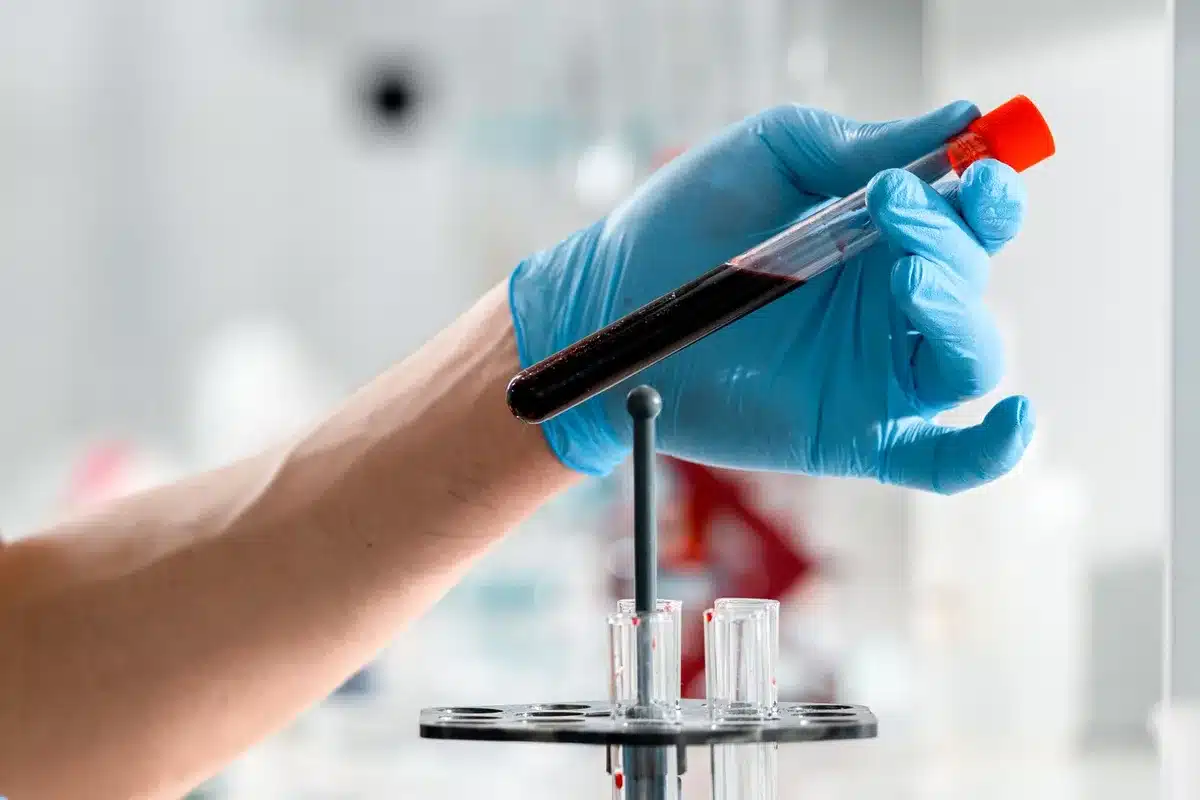
- Your clinician may order a TSH and free T4 within 4–6 weeks of a change.
- Document any new or worsening symptoms and report them promptly.
- Keep appointments and bring all current medication bottles to visits.
Special groups who need extra caution
Certain people are at higher risk if treatment is interrupted or altered.
- Pregnant people: Maintain stable thyroid levels for fetal development. Contact your prenatal care team immediately.
- People with heart disease: Sudden hormone shifts can trigger arrhythmia or angina.
- Elderly patients and infants: Even small changes can have big effects.
Safe disposal and documentation
- Do not flush recalled medicines unless instructions say to do so.
- Pharmacies often accept returns for disposal during a recall.
- Keep records of communication, receipts, and the lot number for insurance or refunds.
How to report problems and seek refunds
Reporting adverse events helps regulators and manufacturers act faster.
- Report side effects to your clinician and the drug manufacturer.
- File a report with the FDA’s MedWatch program if you experience issues.
- Contact your pharmacy or insurer about reimbursement or replacement costs.
Preparing for similar events in the future
- Keep a list of current prescriptions and lot numbers in a safe place.
- Ask your clinician about a small backup supply or options in case of shortages.
- Sign up for recall alerts from your pharmacy or the FDA to stay informed.
Similar Posts:
- Xanax XR recalled by FDA: batch pulled over effectiveness concerns
- FDA flags over 3 million eye drop bottles: check if yours is affected
- Infant formula linked to 36 poisonings in UK: UKHSA launches urgent probe
- Car products recalled over safety fears: Britons told to stop using immediately
- Häagen-Dazs recall: dark chocolate mini bars may trigger life-threatening allergic reaction

Cole is a passionate vegan dessert artist with a knack for turning indulgent classics into plant-based masterpieces. His sweet creations are where flavor meets conscious living.