

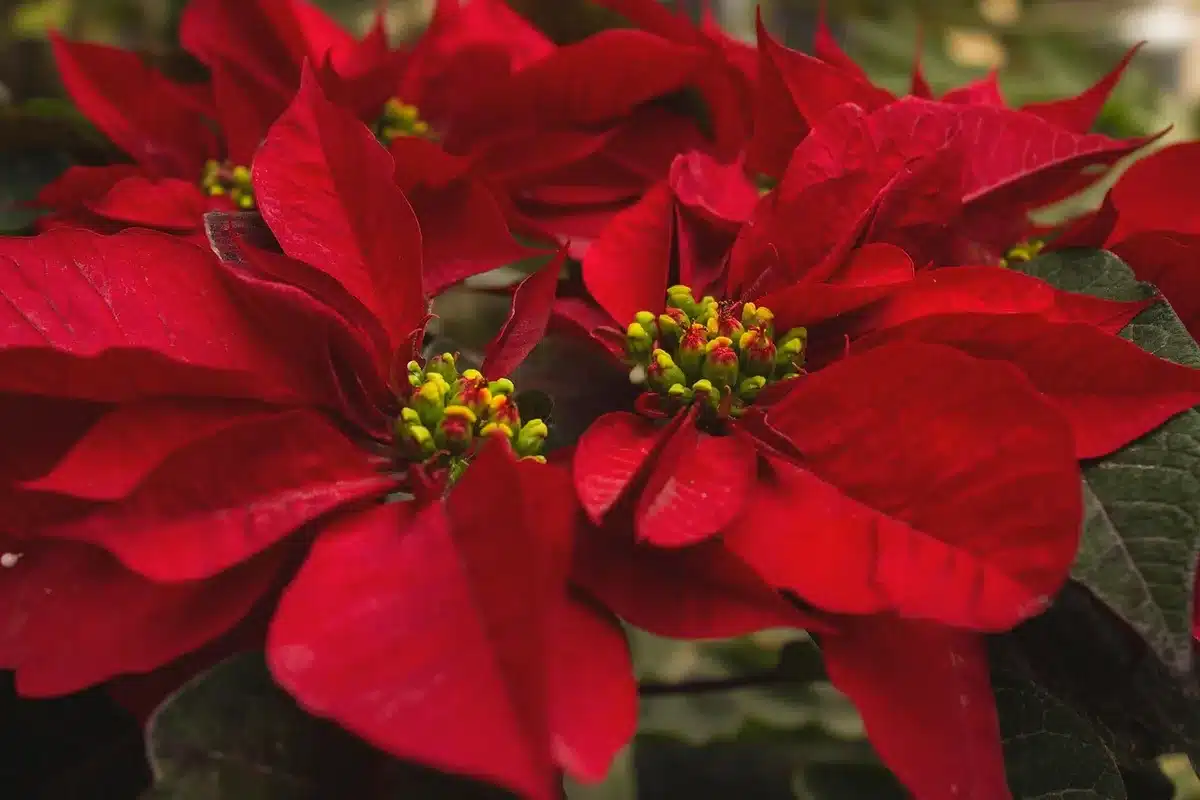
The bright, bracted blooms of the poinsettia announce the holidays like no other plant. Known worldwide as the “Christmas star,” this houseplant blends tradition, color, and surprisingly simple care. Whether you’re buying one for a mantel or planning to keep it through spring, understanding its needs makes the display last longer and look healthier.
From Mexico to global fame: the story behind the Christmas star
What we call the poinsettia began as a wild shrub in central Mexico. Indigenous cultures used it in winter festivals long before it became a commercial symbol.
- The plant was named after Joel Roberts Poinsett, the first U.S. minister to Mexico, who introduced it to America in the 1820s.
- Its red bracts and star-shaped form became linked to Christmas through both folklore and 19th-century decorations.
- Today, the poinsettia is a holiday staple across North America, Europe, and parts of Asia.
How to care for a poinsettia: simple steps for a vibrant display
Keeping a poinsettia thriving requires attention to light, water, and temperature. Small adjustments make a big difference.
Light and placement
- Place the plant where it receives bright, indirect light for at least six hours daily.
- Avoid direct afternoon sun on the bracts; it can scorch the leaves.
- Keep it away from drafts, heating vents, and cold windows.
Watering and soil
- Water when the top inch of soil feels dry to the touch.
- Do not let the plant sit in standing water; ensure good drainage.
- Overwatering causes root rot and yellowing leaves, while underwatering leads to leaf drop.
Temperature and humidity
- Ideal daytime temperatures: 65–70°F (18–21°C). Night temperatures should not fall below 60°F (15°C).
- High humidity helps keep bracts crisp; use a pebble tray or humidifier if indoor air is dry.
Feeding and maintenance
- Feed with a balanced houseplant fertilizer every 4–6 weeks after the blooming period.
- Remove spent bracts and yellow leaves to maintain appearance and plant health.
- Pinch back new growth in spring to encourage a bushier habit and more blooms next season.
Colors and cultivars: choosing the right poinsettia for your home
Modern breeding has produced many forms and shades. Red is classic, but options include pink, white, marbled, and variegated varieties.
- Traditional reds create a strong holiday focal point.
- Soft pinks and creams suit neutral or contemporary décors.
- Bicolor and speckled types add visual interest and pair well with minimalist settings.
Look for plants with dense foliage and brightly colored bracts that contrast with green leaves.
Troubleshooting: common problems and fast fixes
Even well-cared-for poinsettias can show stress. Spot issues early to prevent lasting damage.
- Leaf drop: Often caused by sudden temperature changes or drafts. Move the plant to a stable spot.
- Yellow leaves: Check for overwatering and poor drainage.
- Faded bracts: Too little light is usually the cause.
- Pests: Watch for whiteflies, spider mites, and mealybugs. Treat with insecticidal soap or horticultural oil.
Myths and safety: are poinsettias poisonous?
Old warnings claim poinsettias are highly toxic. Research and poison control data tell a different story.
- Ingestion may cause mild stomach irritation in humans and pets, but serious poisoning is rare.
- Sap can irritate skin in sensitive people. Wash hands after handling.
- If you have pets or small children, keep the plant out of reach to avoid chewing.
Extend the season: how to keep blooms longer and force next year’s display
With a little planning, you can coax a poinsettia to rebloom the following winter.
- After holidays, reduce watering and cut back stems in early spring to about 6 inches.
- Repot into fresh soil if rootbound and resume regular watering as new growth appears.
- In late spring and summer, pinch new tips every few weeks to encourage branching.
- To induce coloration, give the plant a strict dark period in autumn: about 14 hours of uninterrupted darkness each night for 8–10 weeks.
Timing is critical. Start the dark treatment in early October for a mid-December display.
Decor and gifting tips that make poinsettias shine
Poinsettias are versatile in holiday design and thoughtful as gifts. Small styling choices boost their impact.
- Group several plants at different heights for a lush centerpiece.
- Use decorative pots and natural materials like pinecones to complement the bract color.
- Add a care tag: include light, water, and temperature notes for recipients.
Where to buy and what to look for at the shop
Choose a healthy specimen by checking leaves, bracts, and stems carefully.
- Look for vibrant, evenly colored bracts and firm green leaves.
- Avoid plants with drooping stems, brown leaf edges, or sticky residue.
- Consider buying from local growers for fresher, hardier stock.
Similar Posts:
- Why you should avoid eating iceberg or romaine lettuce
- Discover Mexico-Inspired Travel Nails: Vibrant Designs for Your Next Trip!
- Wild garlic: forget pesto, savor it with just butter and bread
- Why is everyone suddenly putting bay leaves under their pillow?
- Christmas menu ideas: 4 quick, easy options for every taste