
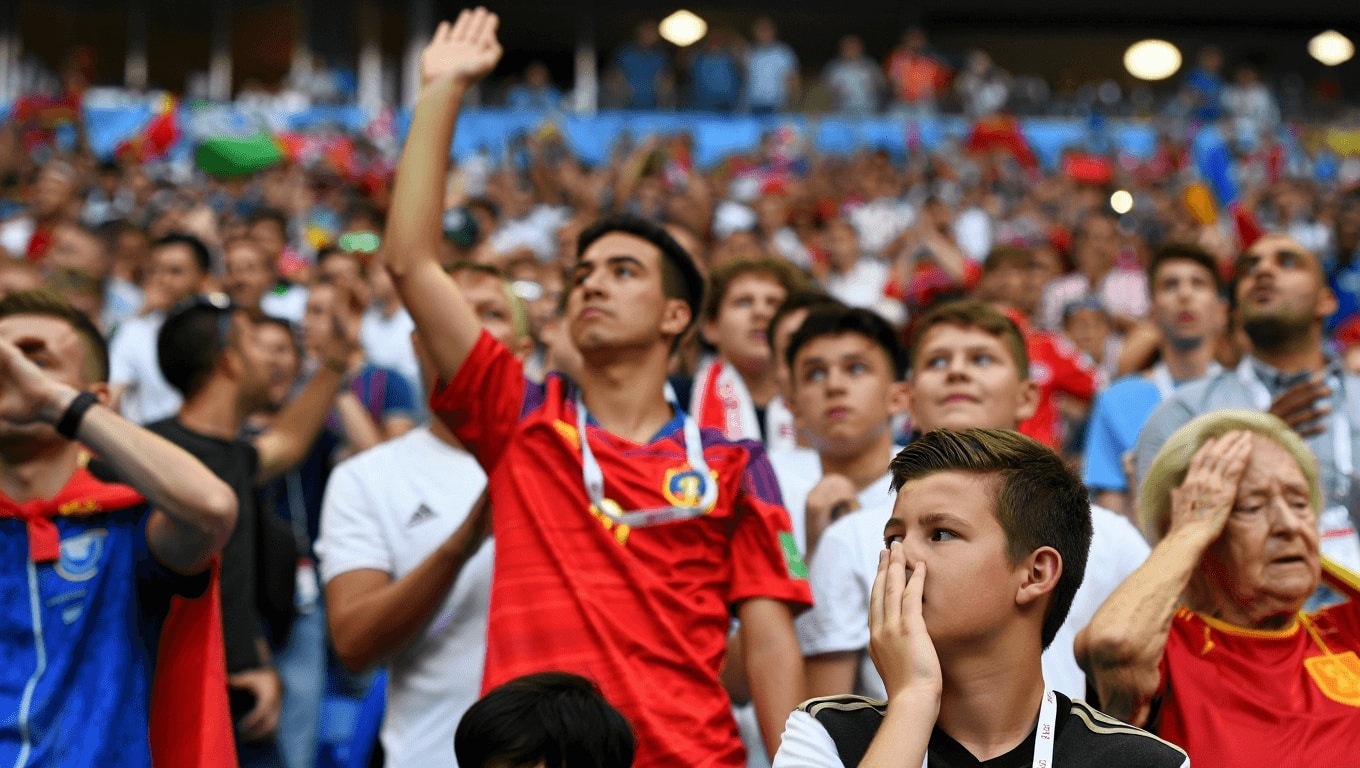
The roar of the crowd, the flags, the long flights and the late nights all make the FIFA World Cup a thrilling experience. But big events bring health risks that can spoil the trip. This guide walks fans through the main dangers and gives practical steps to stay safe while cheering on their teams.
Stadium crowds and how to navigate them safely
Large gatherings can cause crushes, falls, and panic. Plan to arrive early. Know the exits and avoid routes that funnel too many people.
- Seat and access awareness: Keep your ticket and ID handy. Note the nearest emergency exits.
- Move slowly: Pushy areas often precede trouble. Step aside if a crowd surges.
- Watch for warning signs: Rapid compression, people falling, and prolonged shouting can indicate danger.
- Carry a small light or whistle to call attention if you or someone nearby needs help.
Heat, dehydration, and sun exposure during match days
Many host cities have strong sun and high temperatures. Fans who stand in the sun for hours can become dehydrated or overheated.
Simple habits to prevent heat illness
- Drink water often. Aim for small sips every 15–20 minutes in hot weather.
- Wear a hat and light, breathable clothing.
- Use sunscreen of at least SPF 30 and reapply after sweating.
- Take breaks in shaded areas or cooling rooms if you feel dizzy or nauseous.
Infectious disease risks and vaccination tips for World Cup travelers
Close contact with international crowds raises the chance of respiratory and gastrointestinal infections. Vaccines reduce risk.
- Check routine shots: Ensure tetanus, diphtheria, and MMR are up to date.
- Get seasonal vaccines: Flu shots can lower the risk of severe illness during the event.
- Consider other vaccines recommended for the host country. Consult a travel clinic weeks before travel.
Food, drink, and avoiding gastrointestinal illness
Street food and unfamiliar menus can cause stomach upset. Being cautious about what and where you eat matters.
- Prefer bottled or treated water. Avoid ice if you’re unsure about the source.
- Choose busy food stalls; high turnover usually means fresher food.
- Avoid raw or undercooked meats and unpeeled produce if sanitation seems uncertain.
- Carry oral rehydration salts and basic antidiarrheal medicine for minor illness.
Travel logistics: flights, jet lag, and preventing deep vein thrombosis (DVT)
Long-haul travel and long queues increase risks for blood clots and fatigue. A few changes to your routine reduce danger.
- Move your legs frequently during flights. Walk aisles every hour if possible.
- Wear compression socks on flights longer than 6–8 hours.
- Stay hydrated and avoid excessive alcohol before and during flights.
- Adjust sleep schedules a few days before departure to reduce jet lag.
Alcohol, substances, and staying in control
Celebration can lead to risky choices. Alcohol and recreational drugs increase injury and disease risk.
- Keep drinks in sight to prevent tampering.
- Limit intake. Know your limits and plan a safe return to your accommodation.
- Be aware of local laws; penalties for drugs and public intoxication can be severe.
Mental health, crowd anxiety and coping on match day
Dense crowds and loud environments cause stress for many fans. Simple coping tools help you stay calm.
- Identify quiet zones or meeting points before the event.
- Use breathing techniques or short walks to reduce anxiety.
- Travel with a buddy if you feel overwhelmed in large groups.
Preventing injuries and being first-aid ready
Minor cuts, sprains, and heat-related conditions are common. A small first-aid kit makes a big difference.
- Pack plasters, antiseptic wipes, pain relievers, and blister treatments.
- Wear comfortable shoes to reduce sprains and blisters.
- Know how to apply pressure to bleeding and how to immobilize an injured limb.
Sexual health and disease prevention while traveling
Casual encounters at major events increase STI risk. Protect yourself and your partner.
- Carry condoms and use them correctly.
- Seek confidential testing after the event if you had unprotected sex.
- Know where local sexual health clinics are located.
Medication, prescriptions, and special medical needs
Travelers with chronic conditions should prepare carefully to avoid interruptions in care.
- Pack extra medication in original containers.
- Bring a letter from your doctor explaining conditions and prescriptions.
- Research hospitals and pharmacies near your accommodation.
Insurance, emergency numbers, and planning for medical care
Medical costs abroad can be high. Good planning avoids surprises.
- Buy travel insurance: Confirm it covers emergency evacuation and COVID-19 related costs.
- Save local emergency numbers and your embassy contact.
- Know how to access care: walk-in clinics, hospitals, and urgent care centers.
Practical packing list for a healthy World Cup trip
- Reusable water bottle with a filter
- Basic first-aid kit and prescription medicines
- Sunscreen, hat, and light rain jacket
- Condensed travel documents and emergency contacts
- Small hand sanitizer and masks for crowded indoor spaces
Behavior in transit: taxis, ride-shares, and public transport safety
Getting to and from matches safely reduces exposure to risks. Plan routes and travel times ahead.
- Use official transport or reputable apps. Avoid unmarked vehicles.
- Share your route with someone you trust.
- Avoid traveling alone at night in unfamiliar areas.
How to act if you or someone near you becomes ill
Quick action can prevent worsening. Know basic steps to take on the spot.
- Move the person to a safe, shaded, or quieter spot.
- Call stadium medical staff or local emergency services immediately.
- Provide clear information: symptoms, medications, allergies.
Similar Posts:
- Everclear frontman Art Alexakis: why his multiple sclerosis diagnosis felt like a blessing
- Perez Hilton hospitalized after livestream self-harm: officials
- Celebrities who fear flying: 15 stars reveal why they’re terrified
- M6 closed after crash: drivers face long delays as emergency crews rush in
- Corey Harrison pleads with fans to help pay medical bills after motorcycle accident
Cole is a passionate vegan dessert artist with a knack for turning indulgent classics into plant-based masterpieces. His sweet creations are where flavor meets conscious living.