
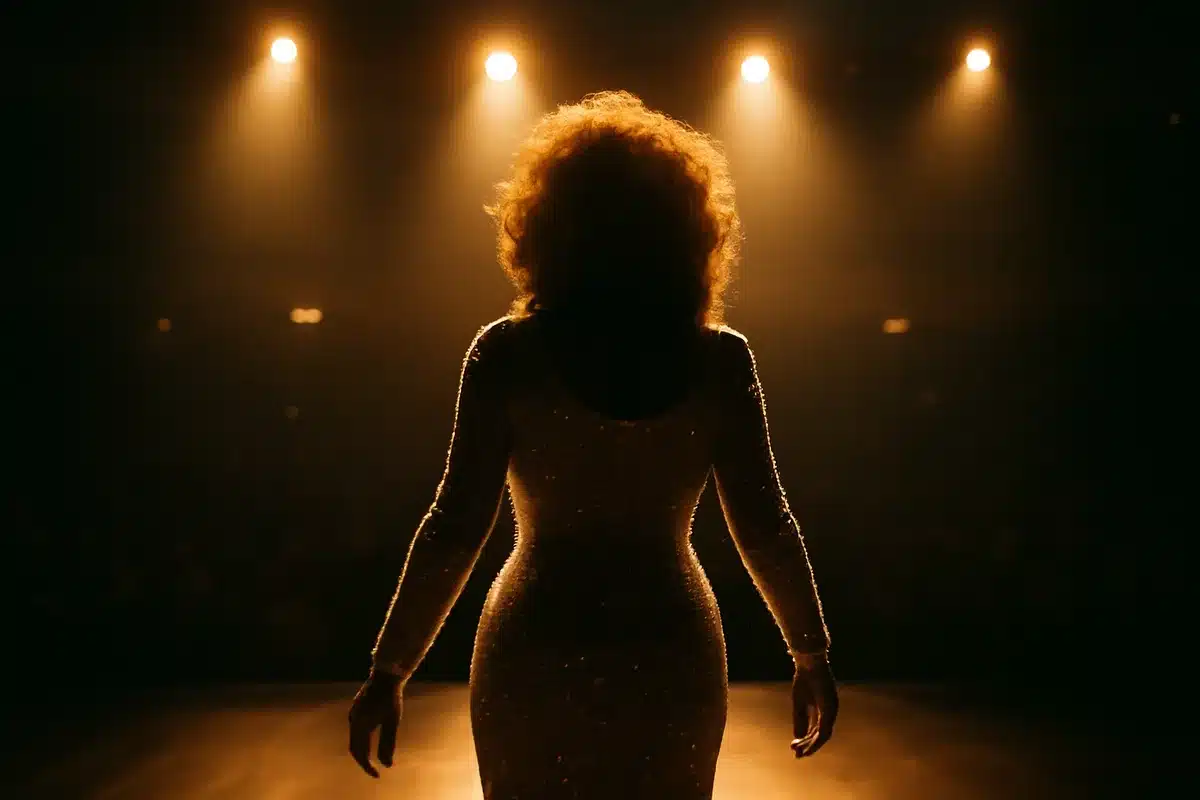
Dolly Parton’s sparkle has always been more than a stage light. Her persona — equal parts glamour, grit and humor — helped her build a public image as recognizable as her voice. Over seven decades in music, she turned wardrobe choices into cultural statements and made big hair an emblem of unapologetic confidence.
How Dolly’s look changed and stayed the same through the years
Dolly’s visual evolution tracked her career. Each decade brought shifts, but not reinvention for its own sake. She refined a persona rooted in country tradition and pop sensibility.
- 1960s: Small-town charm, country dresses and braided hairstyles.
- 1970s: Nashville fame, sequins, and brighter stage makeup.
- 1980s–1990s: Pop crossover, bold silhouettes, and polished glamour.
- 2000s onward: Legacy looks updated with modern tailoring and playful color.
Elements that made her fashion instantly recognizable
Some choices became part of Dolly’s brand. They were practical and theatrical. They helped her stand out onstage and in photos.

- Big hair: Voluminous styles that became an iconic signature.
- Glitter and rhinestones for bright stage visibility.
- High heels and figure-flattering dresses for a theatrical silhouette.
- Playful makeup that emphasized expressive eyes and lips.
Why the “big hair” mattered
The hairstyle was more than trend. It projected confidence. It made her visible from the back row. It also flipped expectations about femininity in country music.
Crafting a public persona: more than clothes
Dolly’s image combined music, storytelling and business savvy. Her fashion worked as a narrative device. It told fans who she was before she sang a note.
- Stage outfits reinforced her storytelling as a performer.
- Public appearances used style to shape interviews and roles.
- Branding choices supported ventures in film, television and business.
Designers, DIY and a do-it-yourself ethic
Dolly balanced couture and custom pieces with a hands-on approach. She often adapted looks to suit comfort and stage needs. That practical creativity guided her choices.
- Collaborations with designers for red-carpet moments.
- Handmade elements for unique touches.
- Costuming that prioritized performance and movement.
Influence on fashion, country music and pop culture
Her aesthetic left marks across industries. Musicians, stylists and designers cite her as an influence. Her looks bridged country roots and mainstream appeal.
- Exposure of country fashion to global audiences.
- Normalization of bold, feminine presentation in male-dominated scenes.
- Inspiration for costume designers and pop artists.
Brands and new audiences
Dolly’s image has helped her move into new markets. Merch, themed exhibits and licensing boosted her cultural footprint. Younger fans discover her through curated visuals.
How she uses style as storytelling today
Even in recent years, she chooses looks that echo her past while feeling current. The balance keeps long-time fans satisfied. It invites new listeners to explore her catalog.
- Modern silhouettes that respect her classic elements.
- Color choices tied to mood and message.
- Social media images that highlight playful authenticity.
Lessons from Dolly’s enduring image
Her career offers clear takeaways for artists and public figures. Image should support art. Authenticity matters more than fleeting trends.
- Build a consistent visual identity.
- Use signature elements to remain recognizable.
- Adapt, but don’t abandon what defines you.
Similar Posts:
- Dolly Parton’s most dazzling style moments: rhinestones, fringe and over-the-top gowns
- Fran Drescher birthday: rare throwback photos show The Nanny star as unexpected fashion icon
- Taylor Swift hair evolution: 10 stunning photos that will surprise you
- Ella Langley’s signature bangs came from a bad DIY haircut she gave herself
- Dolly Parton’s final year: health struggles she revealed before her death

Health advocate and wellness researcher, Dr. Monroe brings clarity to confusing health trends with science-backed advice. Her mission is to help readers live vibrantly, from the inside out.