

London streets are about to host a new chapter in urban transport as a fleet of autonomous taxis begins road testing. The pilot, launched through a partnership between Freenow by Lyft and China’s Baidu, rolls out safety-monitored vehicles in a single London borough now, with the prospect of paid, driverless journeys for the public within the next year or two.
Where the robotaxis will begin and how they will operate
The first phase of trials will run in Brent, a borough that mixes busy urban hubs and quieter residential roads. For now, each vehicle will carry a trained safety operator on board. This controlled setup is intended to gather data and ensure safe interaction with unpredictable city traffic.
- Location: Brent, northwest London.
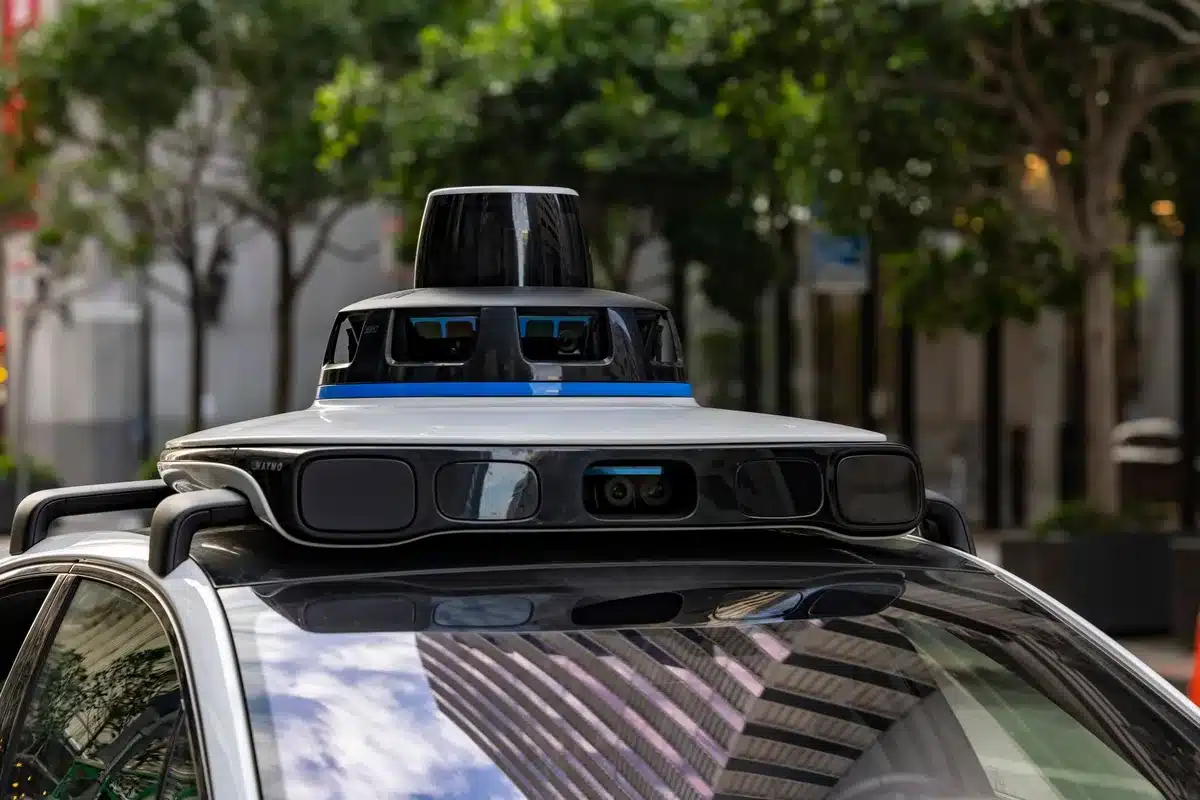
- Vehicle type: Baidu Apollo Go RT6 autonomous taxis deployed by Freenow by Lyft.
- Initial setup: Safety operators on board during testing.
How the partnership came together and the European plan
Lyft announced a strategic deal with Baidu around 2025 to expand autonomous taxi services across Europe. London and Germany sit at the front of that plan. The collaboration pairs Baidu’s autonomous driving systems with Freenow by Lyft’s local ride-hailing logistics.
What each partner brings
- Baidu: autonomous driving software, vehicle platforms, and fleet management tech.
- Freenow by Lyft: local market expertise, customer-facing app integration, and operations support.
Public appetite and survey findings
Interest in self-driving cars among Londoners appears stronger than familiarity. Recent market research shows many residents have not yet ridden in an autonomous vehicle, but a significant share are open to trying one.

- Nearly half of Londoners reported they have never experienced an autonomous vehicle ride.
- More than half say they’d be likely to try driverless technology.
- Support is highest among younger adults, especially those under 35.
Why people might choose a robotaxi
Respondents named several reasons for opting for an autonomous ride:
- Curiosity: Many want to experience the technology first-hand.
- Reliability: Some expect consistent service and predictable pick-up times.
- Quiet travel time: Passengers anticipate uninterrupted personal time during journeys.
- Extra transport option: A portion see AVs as a useful addition to London’s mobility mix.
Voices from the companies and industry perspective
Company leaders describe London trials as a key test in a complicated urban setting. They argue that validating autonomous systems in the capital — with its dense traffic, cyclists, and varied road users — is critical before wider rollout.
Executives emphasize the trials will focus on safety, system robustness, and working smoothly with local transport patterns. The goal is to move from demonstration projects toward regular, paid services accessible to the public.
What to expect during the trial period
Throughout testing, vehicles will collect operational data and refine autonomous decision-making. Authorities and operators will watch for how the vehicles handle:
- busy intersections and pedestrian-heavy zones
- unexpected hazards and weather variations
- interactions with bicycles, buses, and delivery traffic
Plans indicate continued testing before any full public launch. However, operators have signaled the possibility that public rides could begin as soon as 2027.
Regulatory and local impact considerations
Bringing autonomous vehicles onto city streets requires coordination with regulators and local agencies. The trial will involve ongoing risk assessments and compliance checks. Transport authorities will monitor safety incidents and public feedback as part of approval pathways.
Key facts at a glance
- Partners: Freenow by Lyft and Baidu Apollo Go.
- Test vehicle: Apollo Go RT6 autonomous taxis.
- Where: Brent borough, London.
- Operators onboard: Yes, during initial trials.
- Potential public launch: Public rides may start by 2027.
Broader context and related transport headlines
The robotaxi trial arrives as UK drivers and passengers contend with shifting motoring rules, rising fuel prices, and evolving support schemes for drivers with mobility needs. These wider transport debates shape how new mobility tech is received and regulated.
Similar Posts:
- Self-driving cars delayed in UK launch: may not be seen for some time
- Self-driving taxis coming to London next year: Waymo reveals massive UK expansion
- London watchdog probes robotaxi plans: public safety fears rise
- Self-driving cars risk blind spot chaos: tech fails to spot fast-moving runners
- Ambulance Crews Fined in Low Traffic Zones Despite Exemptions: A Shocking Oversight

Naomi is a clean beauty expert passionate about science-driven skincare and natural remedies. She demystifies ingredients and shares routines that empower readers to glow — naturally.