
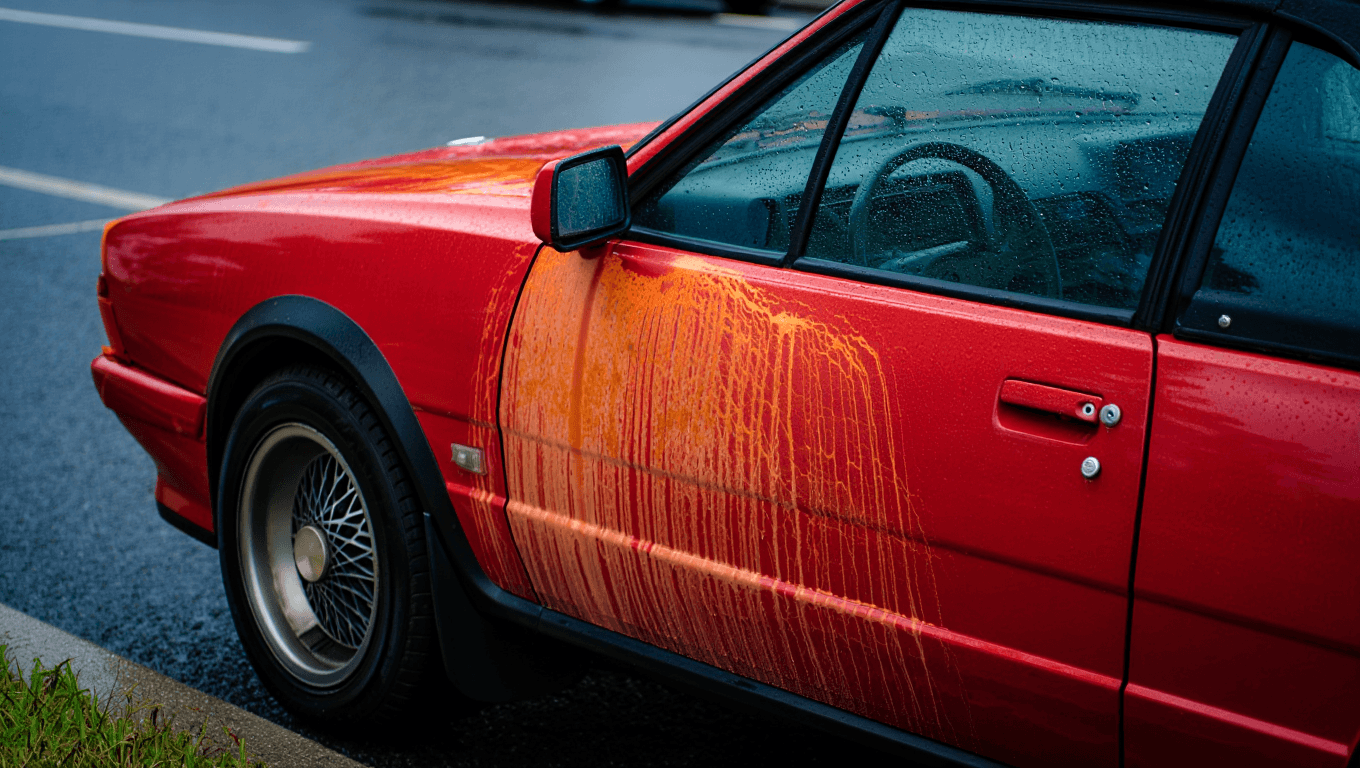
Across parts of the UK, drivers are spotting a thin, rusty film on their cars after recent downpours. The culprit is Saharan dust riding high winds into Europe, leaving telltale red streaks on paintwork. Experts warn that the immediate impulse to scrub the layer away can do more harm than the dust itself.
Saharan dust plume: what meteorologists are tracking
Meteorological agencies report that strong southerly winds are carrying mineral dust from the Sahara northwards. Forecasts indicate the most affected areas will be the south and southeast of England.
- Expect episodes of dusty rain where droplets pick up airborne particles.
- Concentrations will vary, with coastal and southern counties at higher risk.
- The dust itself is inert but visible when mixed with rain or dew.
Why “blood rain” leaves marks on vehicles
When rain falls through a dust-laden layer of air, tiny mineral grains mix into the droplets. The result is a fine, often reddish deposit on every exposed surface.
The colour and grit can be alarming, but the dust won’t chemically eat into paint. The main danger is mechanical: loose abrasive particles trapped under a sponge or mitt can create fine scratches and swirl marks.
How incorrect washing can damage your paint
Car-care specialists caution that a hurried, conventional sponge wash risks grinding tiny particles across the clearcoat. Over time, this can cause visible scratching that’s hard to remove.
Surface contamination left in place is often safer than aggressive cleaning without the right method. If owners are too eager, they may need professional machine polishing later — an expensive corrective step.
Step-by-step: safe cleaning to protect paintwork
Follow this order to reduce the chance of scratching when removing dusty deposits.
- Pre-rinse: Use a hose or pressure washer to blast off loose dust before touching the car.
- Snow foam soak: Apply a thick snow foam and let it dwell for a few minutes to loosen grime.
- Rinse again: Remove loosened particles thoroughly with water.
- Contact wash: Use a dedicated car shampoo and a soft wash mitt rather than a household sponge.
- Two-bucket method: Keep one bucket with shampoo and one with clean water to rinse the mitt between passes.
- Dry carefully: Pat dry with a clean microfibre towel to avoid dragging grit across the paint.
Tools and products experts recommend
- Pressure washer or high-volume hose for initial rinse.
- Snow foam lance or pre-wash spray to lift sediment.
- Microfibre wash mitt and two clean buckets.
- pH-neutral car shampoo and soft microfibre drying towels.
Avoid household sponges and abrasive cloths. They trap particles and accelerate scratching.
When to call a professional detailer
If the surface shows fine scratches, etching or dull areas after cleaning, consider a professional assessment.
- Machine polishing can restore gloss but comes at a cost.
- Severe marring may require paint correction or protective coating afterward.
- Detailers can also apply ceramic or sealant finishes to reduce future risk.
Practical short-term steps for drivers
- Check local forecasts for dust events and park under cover if possible.
- If you must clean, follow the safe method above rather than scrubbing immediately.
- Do not write or drag fingers across the dust — that can create scratches.
- Monitor your paint after the event; delayed polishing may be needed.
What this means for car owners and insurers
Most insurers do not consider light cosmetic abrasion a claim unless it’s severe. Preventive care is the cheapest route. Taking measured, careful action now reduces the likelihood of costly repairs later.
Similar Posts:
- Oven rack cleaning hack: the easy trick to remove heavy baked-on grease
- Dirty oven? This is the only cleaning method that truly worked
- The magic ingredient to clean burnt pan bottoms effortlessly
- Revolutionize Your Travel Routine: Discover Waterless Dry Shampoo and Conditioner!
- Secrets Unveiled: Master the Art of Traveling with Fine Hair!

Naomi is a clean beauty expert passionate about science-driven skincare and natural remedies. She demystifies ingredients and shares routines that empower readers to glow — naturally.