
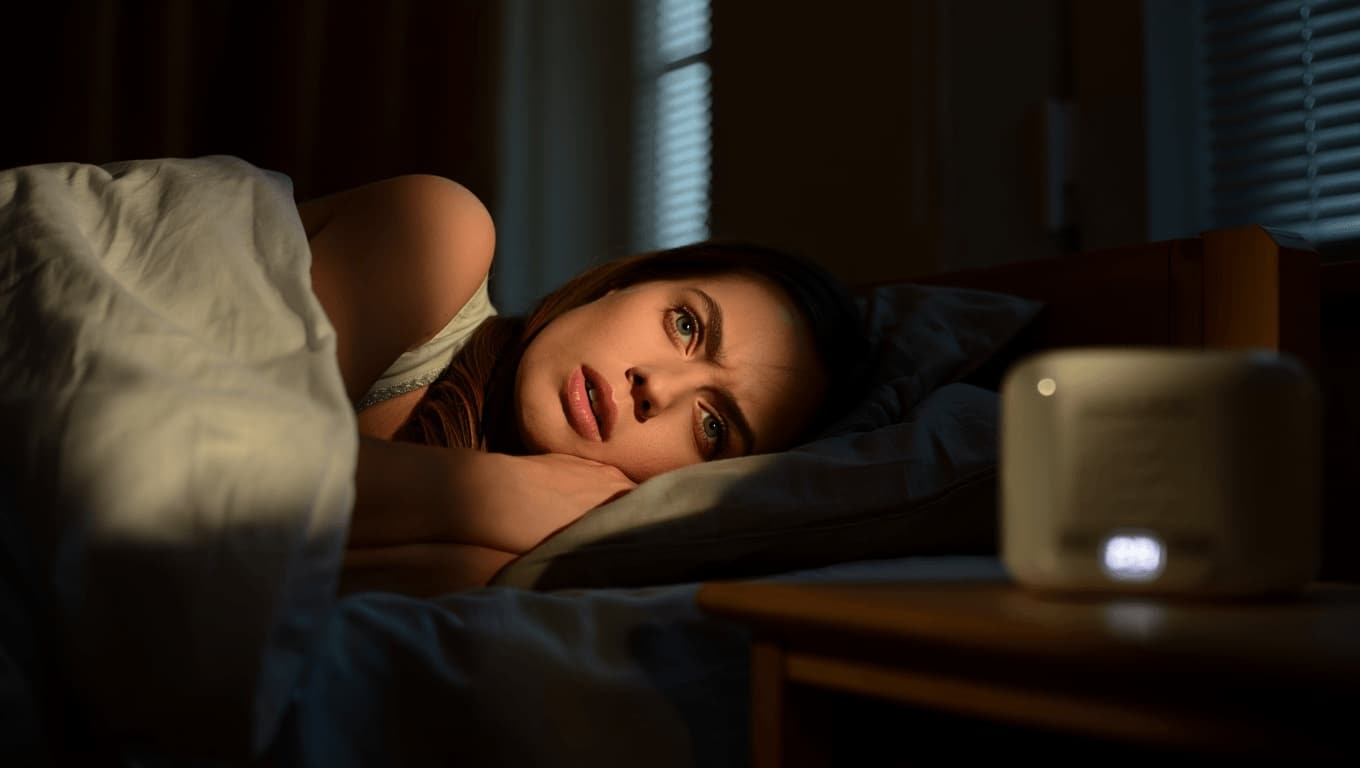
Many people rely on steady soundscapes to fall asleep. But new research suggests one popular option—pink noise—may interfere with deep dreaming and overall rest. The findings challenge common assumptions about ambient sounds and raise questions for anyone who uses noise machines nightly.
What the new research found about pink noise and REM sleep
Scientists examining sleep patterns report that exposure to pink noise during the night can alter the architecture of sleep. The study compared nights with and without pink-noise playback and tracked changes in REM sleep, sleep continuity, and micro-arousals.
- Less REM sleep: Participants spent less time in rapid eye movement (REM) sleep when pink noise was present.
- More sleep fragmentation: Brief awakenings and arousals increased, suggesting lighter, more interrupted rest.
- Potential memory impact: Reduced REM may affect memory consolidation and emotional processing.
Understanding pink noise: what it is and why people use it
Pink noise is a type of sound that emphasizes lower frequencies. It feels deeper than white noise and often sounds more natural to listeners.
Why people choose pink noise
- Many find it soothing and less harsh than white noise.
- It can mask environmental noises like traffic or noisy neighbors.
- Some apps and devices advertise pink noise as a sleep enhancer.
How pink noise might disrupt sleep biology
Researchers propose several mechanisms by which pink noise could interfere with REM and sleep quality.
- Sound-induced arousal: Even steady sound can trigger subtle brain responses that fragment sleep.
- REM sensitivity: REM is a lighter, more reactive stage of sleep and may be more susceptible to disturbance.
- Volume and timing: Louder levels or playback that overlaps with REM-rich periods may produce greater effects.
What this means for people who use noise machines
The study does not banish all sound machines, but it does suggest a more cautious approach.
- Consider testing nights without pink noise to notice differences.
- Lower volume settings can reduce the risk of micro-arousals.
- Timed playback that shuts off after sleep onset may limit disruption during REM-heavy cycles.
Alternatives to pink noise for better sleep masking
If pink noise proves problematic, other sound strategies may help without the same risks.
- White noise: A flatter spectrum that some users tolerate better.
- Brown noise: Even deeper than pink noise and sometimes preferable for masking.
- Natural soundscapes: Soft rain or distant ocean sounds can be less intrusive.
Tips to test and optimize your sleep soundscape
Small experiments can reveal how your brain reacts to different sounds. Keep a simple sleep log and try these practical steps.
- Track baseline sleep for a week without added noise.
- Introduce pink noise at low volume for several nights.
- Compare sleepiness, mood, and perceived rest between conditions.
- Try alternatives like white or brown noise and repeat the comparison.
What sleep experts suggest
Clinicians urge personalization. Not everyone responds the same way to ambient sound.
- Individual variation: Some people may benefit from pink noise, others may not.
- Professional advice: Those with insomnia, mood disorders, or daytime sleepiness should consult a sleep specialist.
- Device settings matter: Volume, frequency emphasis, and timing can change outcomes.
Questions researchers want to answer next
Current findings open new research paths. Scientists aim to refine recommendations for safer sound use in sleep hygiene.
- Which frequencies within pink noise cause the most disturbance?
- How do individual factors like age or baseline sleep quality change responses?
- Can adaptive sound systems reduce disruption by syncing to sleep stages?
Similar Posts:
- Heart failure and AFib risk may rise even from low light during sleep
- Up to 40% drop in home value near wind turbines: here’s what experts reveal
- The exact time you should eat dinner to live longer, according to science
- TikTok sleep hack early bird dinner: does it really help you fall asleep?
- Bedtime Screen Use Could Cost You 24 Minutes of Sleep, Research Shows

Cole is a passionate vegan dessert artist with a knack for turning indulgent classics into plant-based masterpieces. His sweet creations are where flavor meets conscious living.