
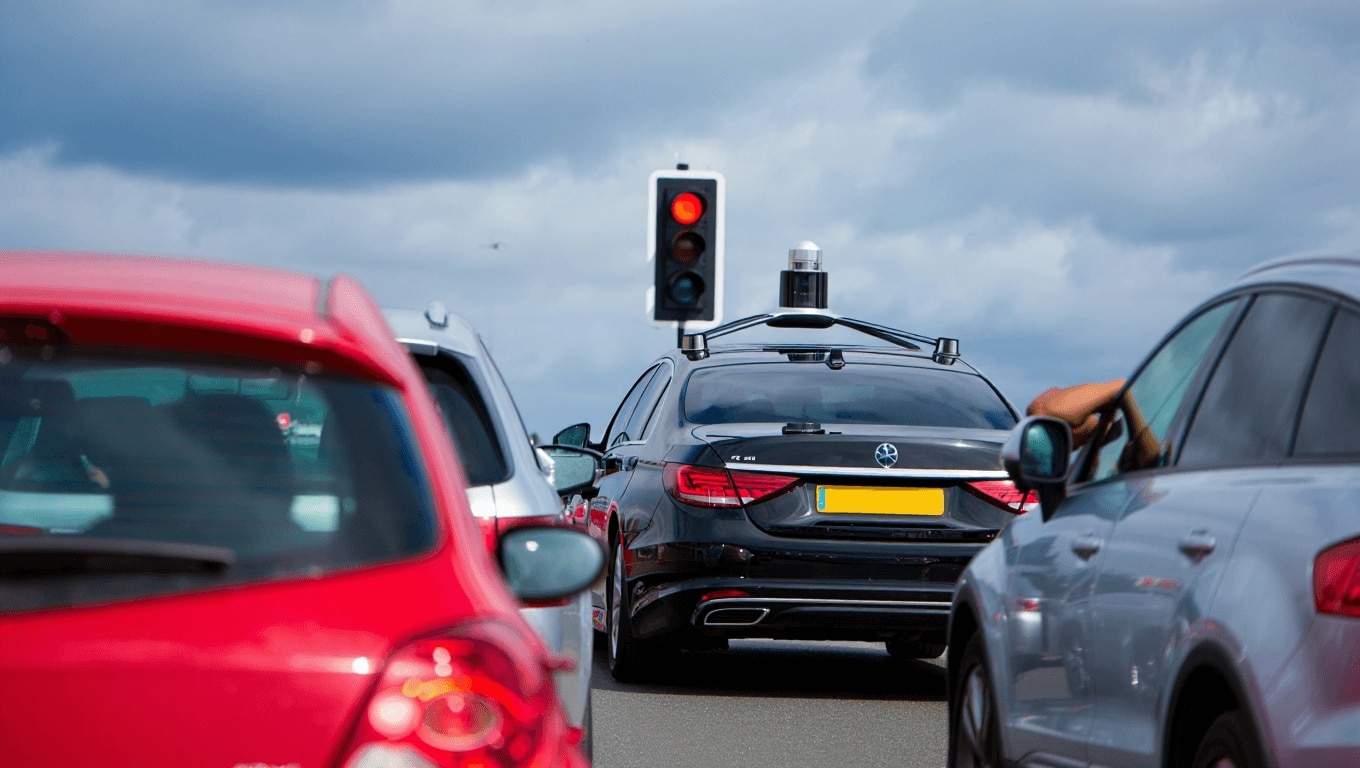
Britain’s biggest motor insurers have pushed back against forecasts that autonomous cars will rapidly replace human drivers on UK roads. Aviva and Admiral say traditional car insurance will still be needed for many years, even as the Government consults on new rules for self-driving vehicles.
Why insurers are sceptical about an immediate AV takeover
Executives at Aviva and Admiral told investors and regulators this week that a full switch to driverless cars is unlikely to happen overnight. They point to technical limits, regulatory hurdles and the practical need for human oversight in complex driving conditions.
Their message: the move to full autonomy will be gradual, not sudden. That gives established insurers time to adapt policies and pricing models.
Government consultation: what officials are asking
The Department for Transport launched a call for evidence on the Automated Vehicles Act 2024. The consultation seeks views on how to regulate vehicles that can operate without a human driver.
- Insurance obligations for commercial operators and manufacturers
- Licensing and authorisation of self-driving vehicle firms
- Safety and testing standards before AVs can operate widely
Responses to the consultation are due at midnight on the closing date. Officials want practical input on how insurance will prove the financial stability of companies running AV fleets.
Analysts sound a different alarm — the wholesale shift scenario
Some financial analysts expect retail car insurance to shrink as manufacturers and fleet operators take on liability. Firms working on autonomous systems may prefer commercial policies over many individual policies.
One analyst recently said he has begun modelling the impact of AVs into valuations for motor insurers. That view contrasts with the more conservative outlook from Aviva and Admiral.
Insurer earnings and the room to manoeuvre
Both Aviva and Admiral reported stronger operating profits last year. That financial headroom, they argue, allows time to evolve products and underwriting methods.
Aviva’s CEO acknowledged the technological shift, but stressed it will take years for driverless cars to become common. She suggested mass adoption might not arrive before the 2040s.
Why human drivers will still matter, insurers say
Executives and underwriters highlight scenarios where a person will still need to take control. These include:
- Severe weather and poor visibility
- Unmapped or temporary road layouts
- Unpredictable behaviour from other road users
- Complex urban environments and construction zones
Because of these factors, insurers expect mixed coverage models that combine consumer and commercial elements for many years.
Possible insurance models as autonomy rises
Industry insiders outline several ways cover might evolve:
- Commercial liability for operators, with personal policies topping up gaps
- New products aimed at ride-hailing and fleet services
- Usage-based pricing tied to software versions and safety performance
- Regulatory bonds or solvency tests for authorised AV operators
Such models would redistribute risk away from individuals toward companies that run driverless services.
Big tech and startups: shifting the balance of claims
Companies like Waymo and startups in the UK are developing systems that may prefer commercial liability cover. If fleets owned by tech firms become common, retail policies could shrink.
Yet insurers say this transition requires much larger AV deployment than exists today. They expect a patchwork of human-driven and automated vehicles for decades.
What insurers want from regulation
Insurers are asking regulators for clear rules on the allocation of responsibility when automation is in control. Key asks include:
- Transparent rules for when manufacturers or operators are liable
- Standards for evidence that an AV operator can meet long-term claims
- Clarity on how consumer policies interact with commercial cover
These points will influence product design and pricing as the market adapts.
Market outlook and next steps for motorists
For now, drivers should expect little immediate change to their policies. Insurers plan to monitor trials and regulatory developments before altering mass-market offerings.
As the consultation closes, industry and government will weigh competing forecasts. The outcome will shape how quickly insurers overhaul their business models and how liability is assigned on the nation’s roads.
Similar Posts:
- London watchdog probes robotaxi plans: public safety fears rise
- Drivers face 75% car insurance hike after Motability budget cuts
- Pay-per-mile taxes: car insurance premiums could skyrocket under Rachel Reeves
- Self-driving taxis coming to London next year: Waymo reveals massive UK expansion
- Young Drivers Shell Out £16,000 Extra for Electric Cars: Big Savings on Tax Bills

Naomi is a clean beauty expert passionate about science-driven skincare and natural remedies. She demystifies ingredients and shares routines that empower readers to glow — naturally.