
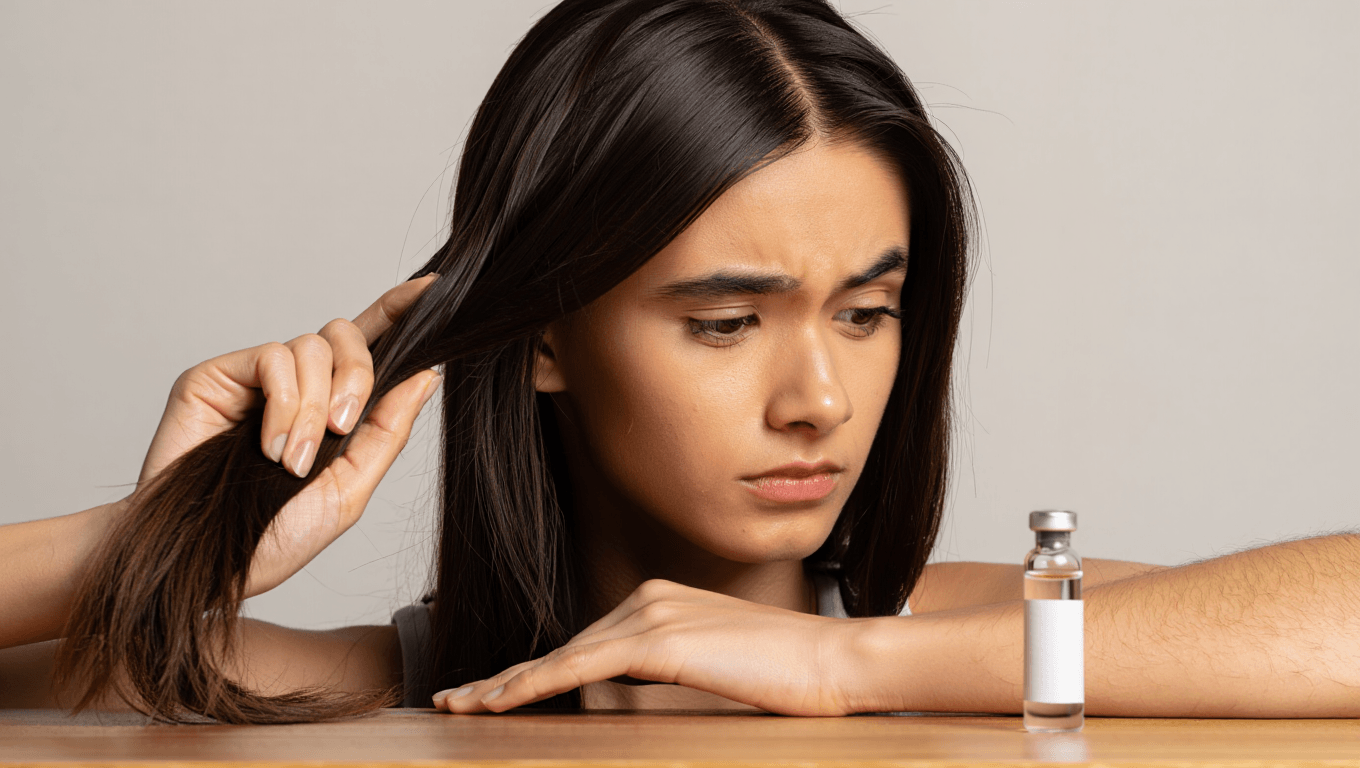
New research is raising alarm about the safety of hair extensions and attachment products. Lab analyses and expert commentary suggest that some extensions contain chemical residues that have been linked, in other studies, to breast and uterine cancers. The findings are prompting calls for clearer labeling, better salon ventilation, and more cautious choices by consumers.
What the research discovered about chemicals in extensions
Scientists analyzed samples of commercially sold hair extensions and the adhesives used to attach them. They detected a range of chemicals often associated with personal care and industrial products.
- Volatile compounds that can off-gas in enclosed spaces.
- Plasticizers and stabilizers used in synthetic fibers.
- Residues from hair-processing treatments and dyes.
Some of these substances have been linked in prior studies to hormone disruption and cancer risk. The new work does not prove that extensions cause cancer, but it does raise red flags about repeated exposure.
How these substances are related to breast and uterine cancer risk
Researchers draw connections based on what is already known about endocrine-disrupting chemicals. These agents can interfere with estrogen signaling, a pathway implicated in some breast and uterine cancers.
- Endocrine disruptors can mimic or block hormones.
- Long-term, low-dose exposures may have cumulative effects.
- Laboratory studies show links between certain chemicals and abnormal cell growth.
Experts caution that association is not the same as proof. Still, the presence of known or suspected endocrine-active compounds in extensions is a concern worthy of further study.
Who might face the greatest exposure
Exposure can occur for people who wear extensions frequently and for salon professionals who perform many installations each day.
- Clients who leave extensions in for months at a time.
- Stylists and assistants who handle adhesives and heated tools repeatedly.
- Individuals in poorly ventilated salons where fumes build up.
Age, reproductive history, and prior hormone-related diagnoses affect individual risk. Those with a personal or family history of hormone-sensitive cancers should be particularly mindful.
Practical steps to reduce exposure when using hair extensions
Consumers and salon workers can take measures to lower contact with potentially harmful chemicals.
- Ask suppliers for ingredient lists and treatment histories of hair products.
- Prefer extensions labeled as untreated, uncoated, or minimally processed.
- Keep appointment rooms well ventilated or choose salons with exhaust systems.
- Wear nitrile gloves when handling adhesives and extension wefts.
- Limit the duration of continuous wear and rotate styles regularly.
Simple precautions can cut exposure without giving up the look clients want.
Industry standards, labeling gaps, and regulatory questions
Hair extensions often fall into a gray area of regulation. Ingredients may not be fully disclosed, and testing standards vary by manufacturer and country.
- Many products lack comprehensive labeling of processing chemicals.
- Regulatory agencies differ in how they classify extensions and adhesives.
- Independent certification programs for low-chemical hair products are limited.
Advocates are asking for stricter testing, mandatory ingredient disclosure, and better occupational safety rules for salon staff.
What scientists say needs to happen next
Researchers call for larger, population-based studies to assess whether chemical residues in extensions translate into measurable health risks.
- Long-term epidemiological research on wearers and stylists.
- Standardized chemical testing across popular products.
- Toxicological studies that mimic real-world exposures.
Without more data, recommendations must balance caution with consumer choice.
How to talk with your stylist about safer options
Open dialogue with salon professionals can help you make informed decisions. Ask direct questions and request alternatives when available.
- Which adhesives and methods do you use?
- Can you show ingredient lists for the extensions?
- Do you offer options that avoid harsh chemical treatments?
- What ventilation practices does this salon follow?
Stylists who understand the concerns are more likely to offer low-chemical techniques and protective measures.
Similar Posts:
- Olivia Munn’s Genetic Battle: How Her Mom’s Breast Cancer Raises Awareness
- Breast cancer risk may be cut by Ozempic and other GLP-1s: how they work
- Ultra-processed foods may raise risk of early-onset colorectal cancer in women
- Breast cancer: morning-after pill may lower risk in premenopausal women
- This Is the Most Pesticide-Contaminated Vegetable—Buy It Organic If You Can
Cole is a passionate vegan dessert artist with a knack for turning indulgent classics into plant-based masterpieces. His sweet creations are where flavor meets conscious living.