
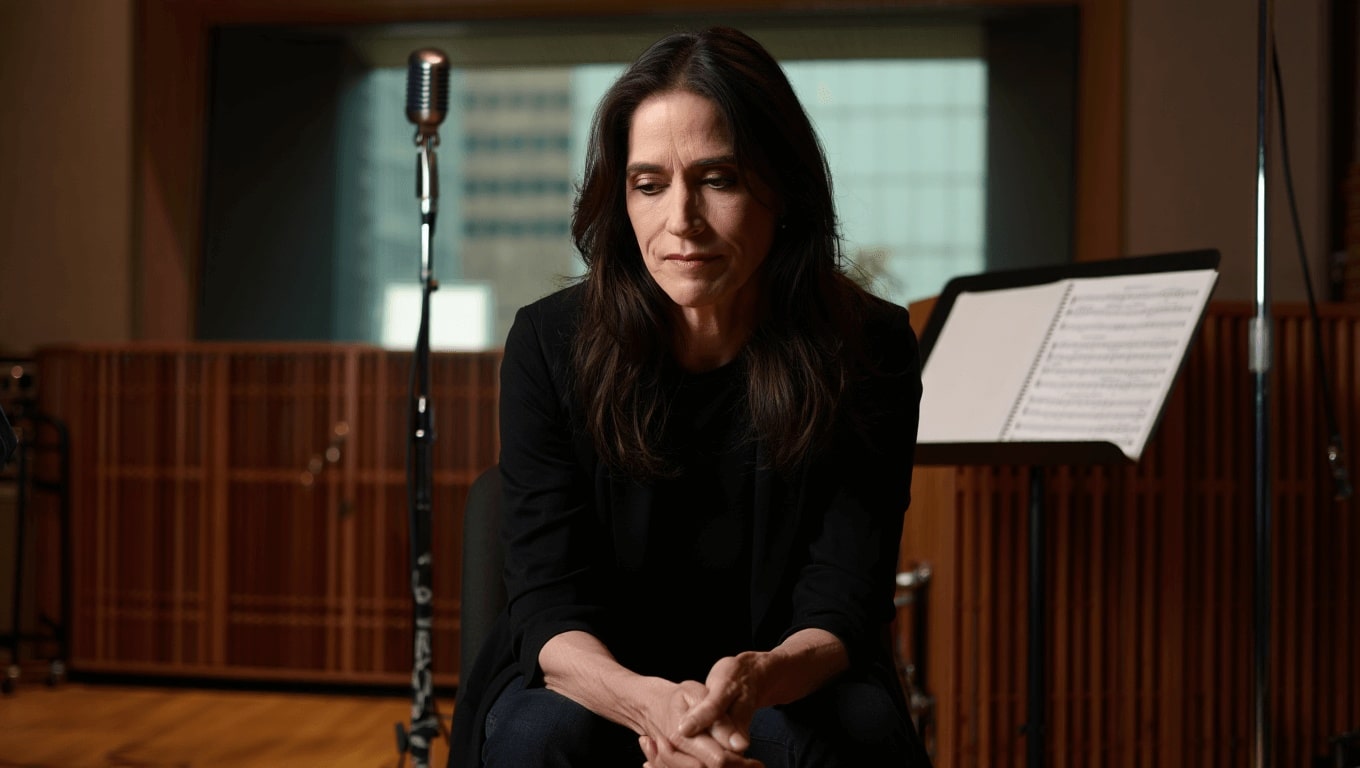
Paula Cole, the singer behind the 1990s hit “I Don’t Want to Wait,” has publicly voiced deep sorrow over a recent loss. Her brief, emotional post struck a chord with fans and fellow artists, drawing attention across social platforms.
Her short message and the reaction it sparked
Cole’s words were simple but powerful. “I’m grieving for the loss of such a beautiful person in our world,” she wrote, signaling a personal moment of mourning. The post quickly gathered sympathy and responses from listeners who remember her music.
- Supportive comments poured in from longtime fans.
- Musicians and cultural figures added condolences and memories.
- Posts of old performances and interviews resurfaced as people reflected on connection and loss.
Why this moment matters to fans
Cole’s voice has long resonated with audiences. Her statement reminded many why her songs mattered: they often married intimacy with public honesty. In this instance, a brief social update became a focal point for communal grief.
- Fans cited her lyrics as comfort during hard times.
- New listeners revisited her catalog and shared favorite tracks.
- Conversations moved from mourning to appreciation for creative contributions.
How public figures respond to private grief
When an artist shares personal sorrow, the balance between privacy and public expression shifts. Cole’s post illustrates how a short message can lead to widespread conversation without revealing private details.
Patterns seen in recent responses
- Many replies offered resources for grieving followers.
- Others recounted how the artist’s work influenced their lives.
- Some users encouraged moments of reflection rather than speculation.
Context: Cole’s place in modern music conversations
Even decades after her breakthrough, Cole remains a reference point for emotional, singer-songwriter traditions. Her social updates are followed by people who see her as both a musician and a voice in cultural discourse.
What fans are doing now
Listeners have taken varied approaches to honor the sentiment she shared. Many turned to streaming playlists. Others posted clips from live shows. A common thread is the desire to mark the loss through art and memory.
- Sharing favorite lyrics and live performance videos.
- Lighting candles or dedicating songs on radio requests.
- Using memorial hashtags to gather reflections and images.
Looking ahead: the role of music in mourning
Music often becomes a communal language for grief. Cole’s message highlights how a few words can open space for collective remembrance. Fans and peers use melody and memory to process sorrow together.
Similar Posts:
- Taye Diggs on losing both parents to cancer: the heartbreak that changed everything
- Lupus leaves doula mom, 35, on deathbed: fears for her kids’ future
- Miscarriage: celebrities open up to help others
- Justin Moore pauses tour to focus on health: calls it the right decision
- Nicole Kidman reveals she’s training to become a death doula after mother’s passing

Health advocate and wellness researcher, Dr. Monroe brings clarity to confusing health trends with science-backed advice. Her mission is to help readers live vibrantly, from the inside out.