
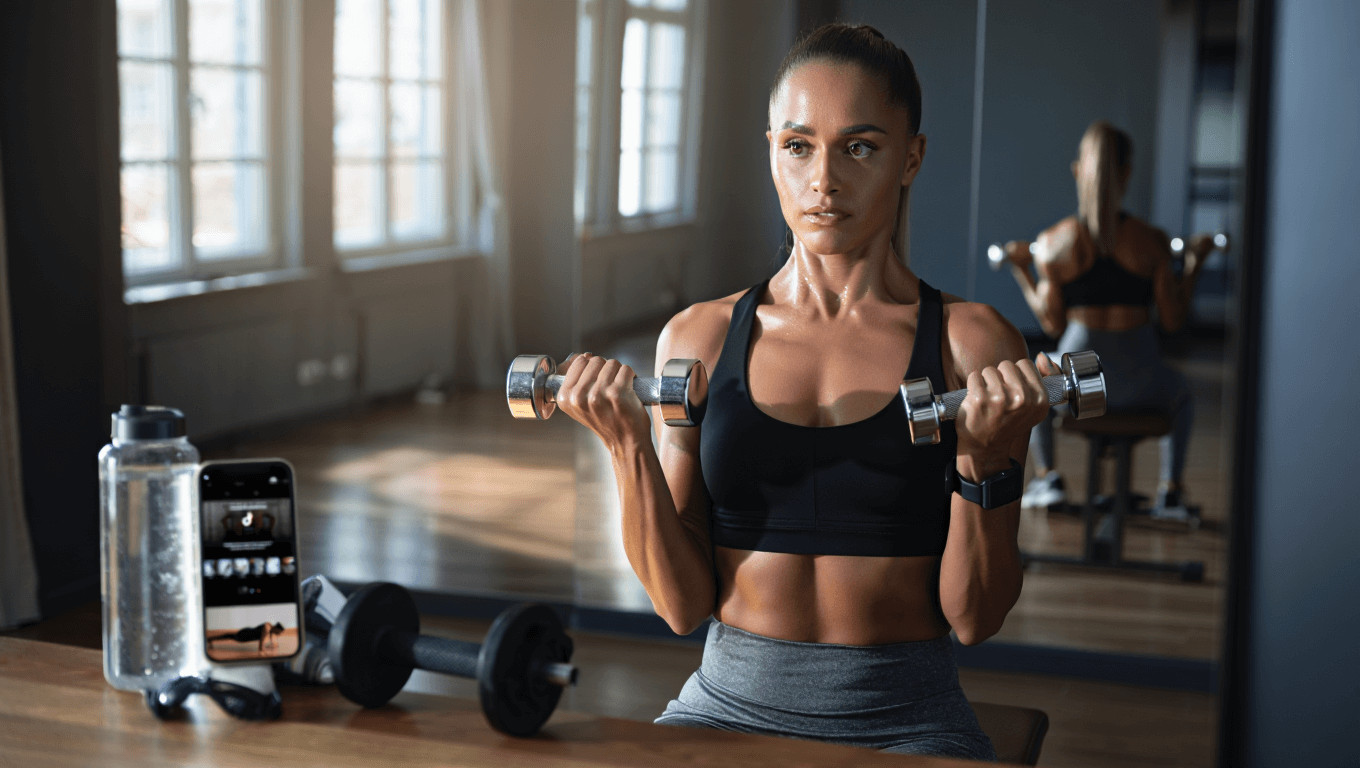
TikTok’s latest fitness fad, the 75 Medium Challenge, promises a gentler route to better health. Its viral appeal lies in simplicity: steady habits instead of extreme rules. But does it actually move the needle on weight loss and fitness? Below, we unpack what the challenge asks, weigh the benefits and risks, and offer practical tips for using it as a real tool for change.
What the 75 Medium Challenge actually is
The challenge is a social-media-born program that borrows structure from longer, stricter regimens. It usually runs for 75 days and focuses on consistent daily actions. Creators market it as a middle ground—more disciplined than a casual routine but less intense than extreme protocols.
Typical elements often include:
- Daily exercise, combining cardio and strength.
- A defined nutrition plan or healthy-eating rules.
- Accountability through progress posts or a daily checklist.
Its core promise: build small, repeatable habits that compound into visible changes in body composition and fitness.
Daily commitments and realistic expectations
Consistency is the backbone of the 75 Medium Challenge. Participants are asked to complete a set of tasks every day for the duration. That steadiness can produce measurable results, but outcomes depend on your starting point.
- If you are new to exercise, even moderate daily movement can boost fitness rapidly.
- For people already active, the challenge may maintain progress more than accelerate it.
- Weight loss requires a calorie deficit, so food choices matter as much as workouts.
Important: the program is not one-size-fits-all. Adjust intensity to match your fitness level and life schedule.
Evidence-based benefits you can expect
Long-term adherence to regular exercise and healthier eating reliably improves health markers. The 75 Medium Challenge encourages those two things, which can lead to:
- Gradual weight loss when paired with sensible calorie control.
- Improved aerobic capacity and strength with regular training.
- Better sleep and mood from routine and activity.
- Stronger habit formation thanks to daily repetition.
Consistency beats perfection: small, daily wins tend to stick more than short bursts of high intensity.
Potential downsides and where to be cautious
No viral challenge is risk-free. The 75 Medium format can still create problems if followed without planning.
- Overuse injuries from daily training without adequate rest.
- Nutrition rules that are too restrictive may lead to bingeing or disordered eating.
- Rigid checklists can create stress if life gets busy or illness arises.
- Lack of personalization: the same plan may not fit different ages, health conditions, or goals.
Professional guidance matters: consult a doctor or registered dietitian before adopting any multi-week program if you have health concerns.
How to adapt the challenge for real-world success
Make the framework work for you rather than bending yourself to fit the trend. Practical adjustments improve safety and results.
- Set measurable, realistic goals—aim for small weekly changes.
- Include at least one rest or active recovery day weekly.
- Combine resistance training and cardio for balanced fitness gains.
- Track food with flexible rules instead of rigid bans.
- Build accountability through a friend, coach, or journal—not only social media.
Tip: prioritize progressive overload in strength sessions to preserve muscle while losing fat.
Comparing the 75 Medium Challenge to other approaches
The viral challenge sits between casual routines and extreme programs. Here’s how it stacks up against common methods:
- Vs. short-term fad diets: the challenge favors habit-building over quick fixes.
- Vs. strict transformation plans: it’s less punitive but may yield slower visible results.
- Vs. evidence-based coaching: a tailored program still outperforms one-size-fits-all trends.
Bottom line: the Medium model bridges motivation and manageability, but it lacks the personalization of professional plans.
Who benefits most—and who should be careful
Certain groups gain more from this type of challenge than others.
- Good fit: beginners, people needing structure, those who struggle with consistency.
- Use caution: those with chronic health issues, athletes requiring periodized training, people with a history of disordered eating.
Adjust intensity, calories, and daily targets to match your health profile and lifestyle.
Quick answers to common questions about the challenge
Will I lose weight doing this?
Many people see weight changes if they create a calorie deficit. The challenge itself doesn’t guarantee weight loss.
Is it sustainable long term?
Sustainability hinges on personalization. If rules are flexible, the habits formed can persist.
Do you need equipment?
No. Bodyweight workouts work fine. Access to weights speeds strength improvements.
If you try the 75 Medium Challenge, focus on gradual progress, listen to your body, and adapt rather than simply copy trends.
Similar Posts:
- Adele’s weight loss: how she shed 45 kilos
- How long you need to walk to burn 1 kilo of fat
- How to target abdominal fat : the optimal exercise duration to slim your belly
- Can’t lose weight: walking for exercise could be to blame, says fitness expert
- Weight loss sabotage: 5 healthy habits to rethink, doctor warns

Cole is a passionate vegan dessert artist with a knack for turning indulgent classics into plant-based masterpieces. His sweet creations are where flavor meets conscious living.