
After a night spent awake, the next day can feel foggy, slow, and hard to manage. New research suggests two simple remedies — a quick burst of exercise or a longer daytime nap — can ease the worst effects of sleep deprivation and help people regain alertness and focus.
What the research reveals about a 20-minute workout and a 90-minute nap
Scientists studying the short-term remedies for a sleepless night found that both a brief exercise session and a single extended nap can reduce sleepiness and improve some mental tasks. The two approaches affect the body differently, but each offers practical benefits for people who cannot immediately recover lost sleep.
Key takeaways for readers
- A short, intense workout increases heart rate and boosts alertness for several hours.
- A 90-minute nap allows the brain to cycle through deeper sleep stages and can restore cognitive performance.
- Neither strategy fully replaces a full night’s sleep, but both help manage symptoms of sleep deprivation.
How a 20-minute exercise session sharpens the day after
A brief workout raises adrenaline, elevates mood, and increases circulation. Those changes translate into clearer thinking and faster reaction times for many people.
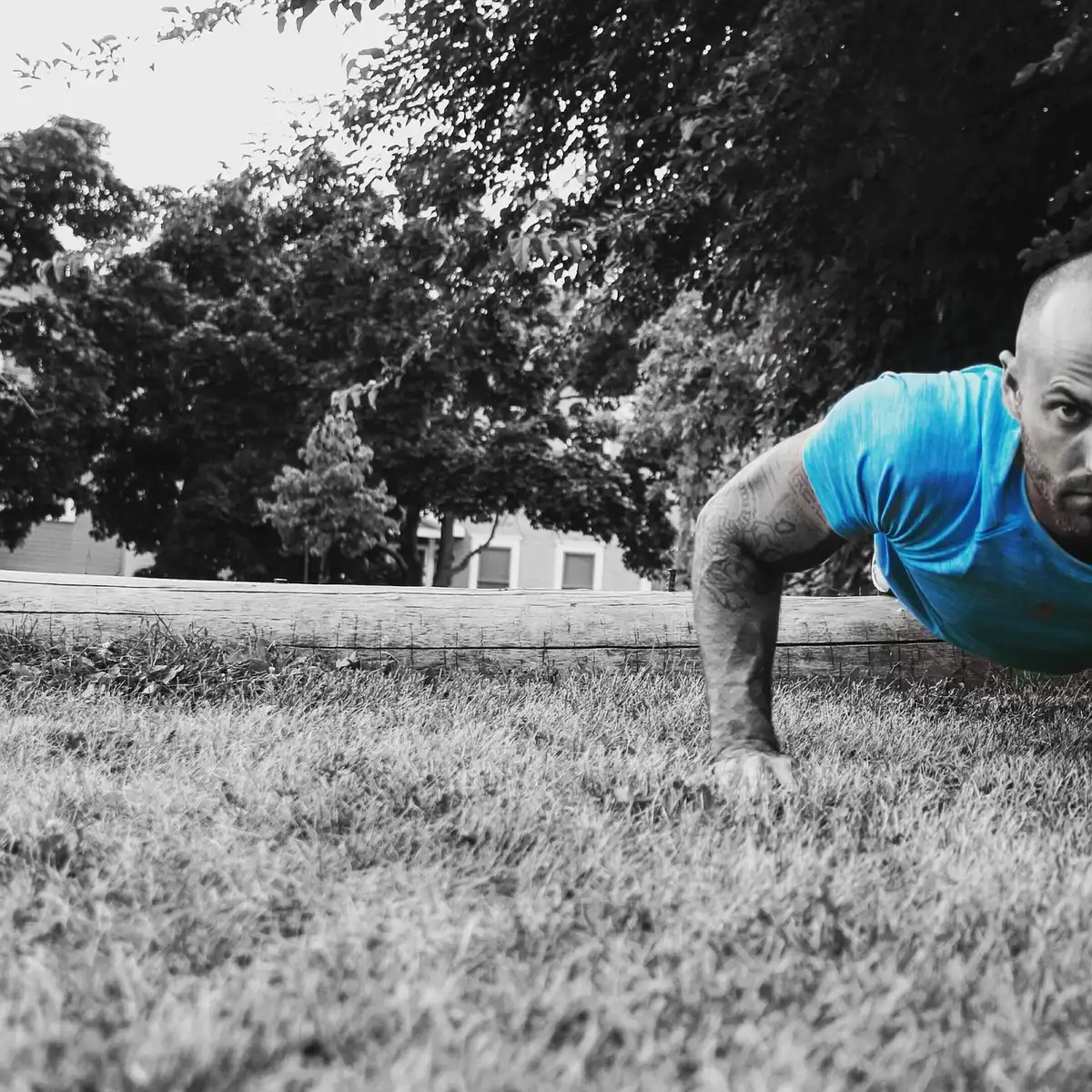
- Recommended intensity: moderate to vigorous activity that raises breathing and heart rate.
- Ideal formats: brisk walking, cycling, bodyweight circuits, or short high-intensity intervals.
- Timing: use the workout mid-morning or after a low-energy slump to maximize alertness.
Practical benefit: A 20-minute session is easy to schedule and has virtually no equipment requirements.
Why a 90-minute nap can restore deeper mental functions
A nap of around an hour and a half gives the brain time to pass through light sleep into deeper slow-wave and REM sleep. Those stages are linked to memory consolidation and emotional regulation.
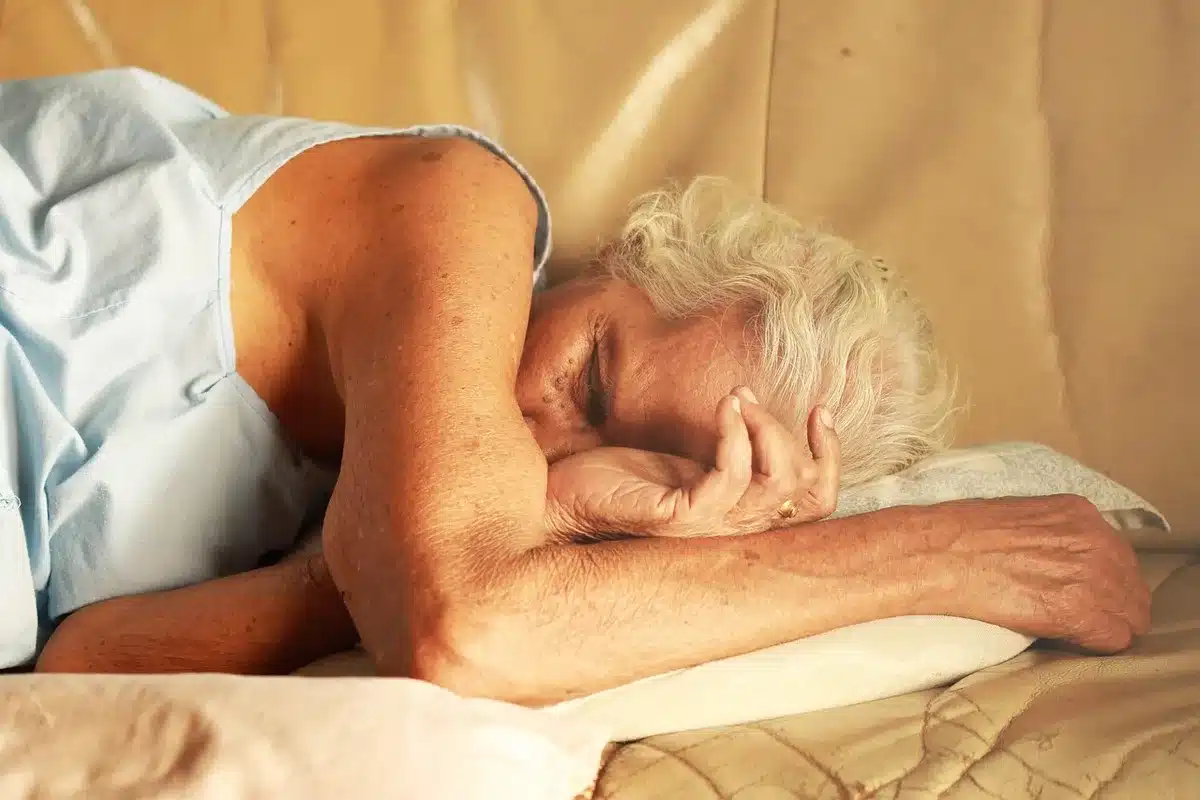
- Nap length: about 90 minutes to complete a full sleep cycle.
- Best environment: dark, quiet, and cool to encourage restorative sleep.
- Watch for sleep inertia: some people feel groggy on waking, but that usually fades within 20–30 minutes.
Important note: A long nap may not be suitable before late-evening schedules, as it can shift the sleep-wake cycle.
Comparing the two strategies: which to choose?
Your choice depends on goals and constraints. Exercise is active and immediate. Napping is passive and can repair deeper cognitive processes.
- Choose a 20-minute workout when you need fast alertness and must stay on schedule.
- Choose a 90-minute nap when you can afford downtime and need to recover memory and mood.
- Combine both across a day if feasible: brief exercise to start and a nap for later recovery.
Step-by-step routines to try after a sleepless night
Simple, repeatable habits work best when you’re low on sleep. Below are routines adapted to common situations.
On a busy workday
- Start with 10 minutes of light stretching to wake the body.
- Do a 20-minute moderate workout mid-morning.
- Use brief 5–10 minute breaks to move and hydrate.
When you can rest for a while
- Create a quiet, dim space and plan a 90-minute nap in the early afternoon.
- Set an alarm and allow 20 minutes to fully wake before returning to demanding tasks.
- Limit caffeine for an hour after waking to avoid jitteriness.
Health caveats and who should be cautious
Not everyone benefits equally from short workouts or long naps. People with certain conditions should consult a clinician before changing routines.
- Those with insomnia may find long naps disrupt nighttime sleep.
- People with cardiovascular conditions should get medical advice before high-intensity bursts.
- Shift workers should use caution, as naps can affect circadian rhythms.
Expert guidance for making short-term fixes effective
Use these strategies as temporary tools, not replacements for regular sleep. Keeping a stable sleep schedule remains key for long-term health.
- Prioritize consistent bedtimes and wake times most days.
- Limit screen time before sleep to improve sleep onset.
- Reserve naps for recovery, and keep them strategic to avoid disrupting the next night.
Remember: Short workouts and extended naps can ease the immediate toll of a sleepless night, but lasting wellbeing relies on regular, restorative sleep.
Similar Posts:
- Short afternoon nap may boost brain health and sharpen learning
- Only 20 minutes a day to build serious upper-body strength
- Sleep and 5-minute exercise cut cardiovascular risk: just 11 extra minutes matter
- Weight loss: the exact time of day you should exercise, according to science
- Men need far more exercise than women to cut heart disease risk

Cole is a passionate vegan dessert artist with a knack for turning indulgent classics into plant-based masterpieces. His sweet creations are where flavor meets conscious living.