
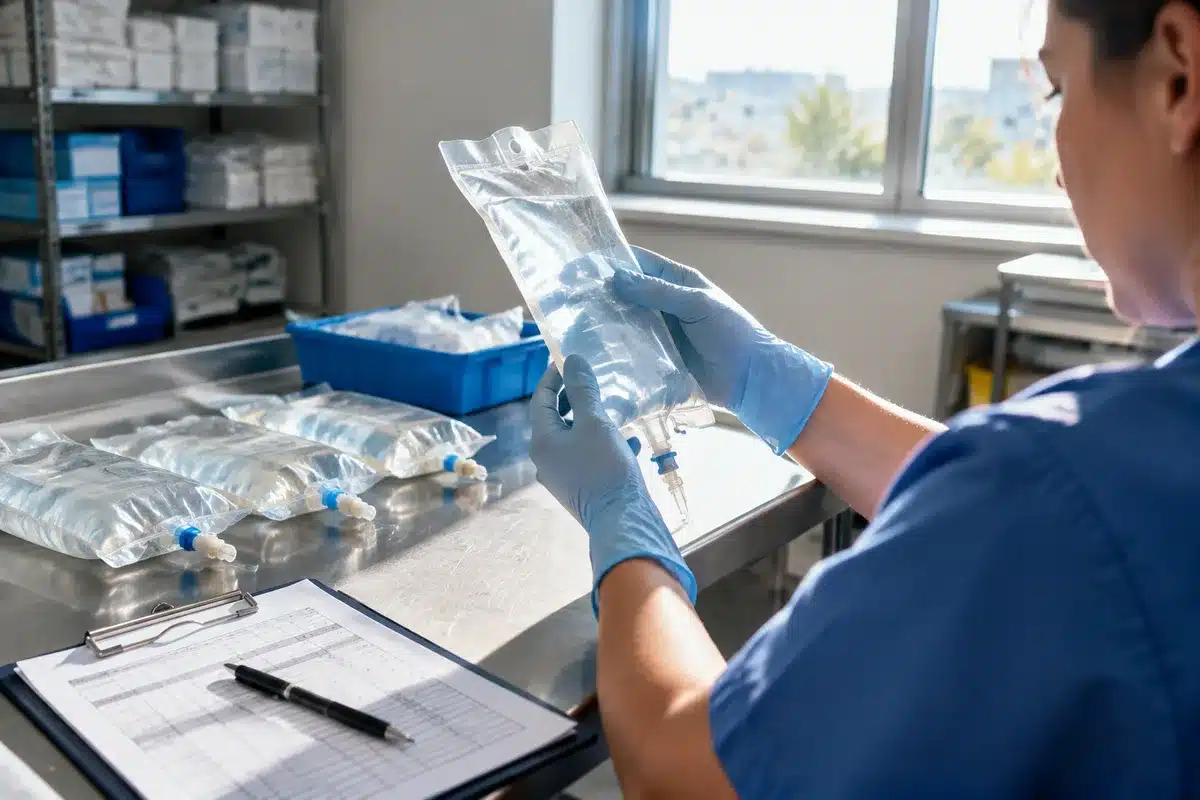
Hospitals and clinics nationwide have been alerted after an FDA recall flagged several lots of intravenous (IV) fluid as potentially contaminated with tiny fragments of fiberglass and stainless steel. The move has raised concerns among clinicians who rely on these fluids for surgeries, emergency care, and routine IV therapy.
Which IV products are under recall and where they were shipped
The recall targets specific lots of commonly used IV solutions. Distribution included hospitals, surgical centers, and some outpatient clinics. Health systems in multiple states received shipments.

- Product names and lot numbers are listed on the FDA alert.
- Shipments were sent to both large hospital networks and smaller facilities.
- Retail pharmacies are generally not impacted unless they supply IV compounding services.
Why the manufacturer and FDA issued the alert
Routine quality checks detected particles that might be fiberglass or stainless steel in the solution containers. The manufacturer notified the FDA and initiated a recall to prevent possible harm.
- Contaminant source is under investigation.
- Potential causes include packaging defects or production line wear.
- Regulatory steps were taken quickly to remove suspect lots from distribution.
Potential health risks and what clinicians should watch for
Introducing foreign particles into the bloodstream can cause inflammation, local irritation, or more serious complications. The risk varies with particle type, size, and patient condition.
- Immediate signs may include redness or swelling at the IV site.
- Systemic reactions can include fever, infection, or embolic events in rare cases.
- Patients with weakened immune systems or indwelling devices may face higher risks.
Clinical steps to reduce patient risk
- Inspect IV solutions visually before use for cloudiness or particles.
- Quarantine any suspect product and tag it for return.
- Use alternative lots or suppliers when possible.
- Document lot numbers and patient exposure carefully.
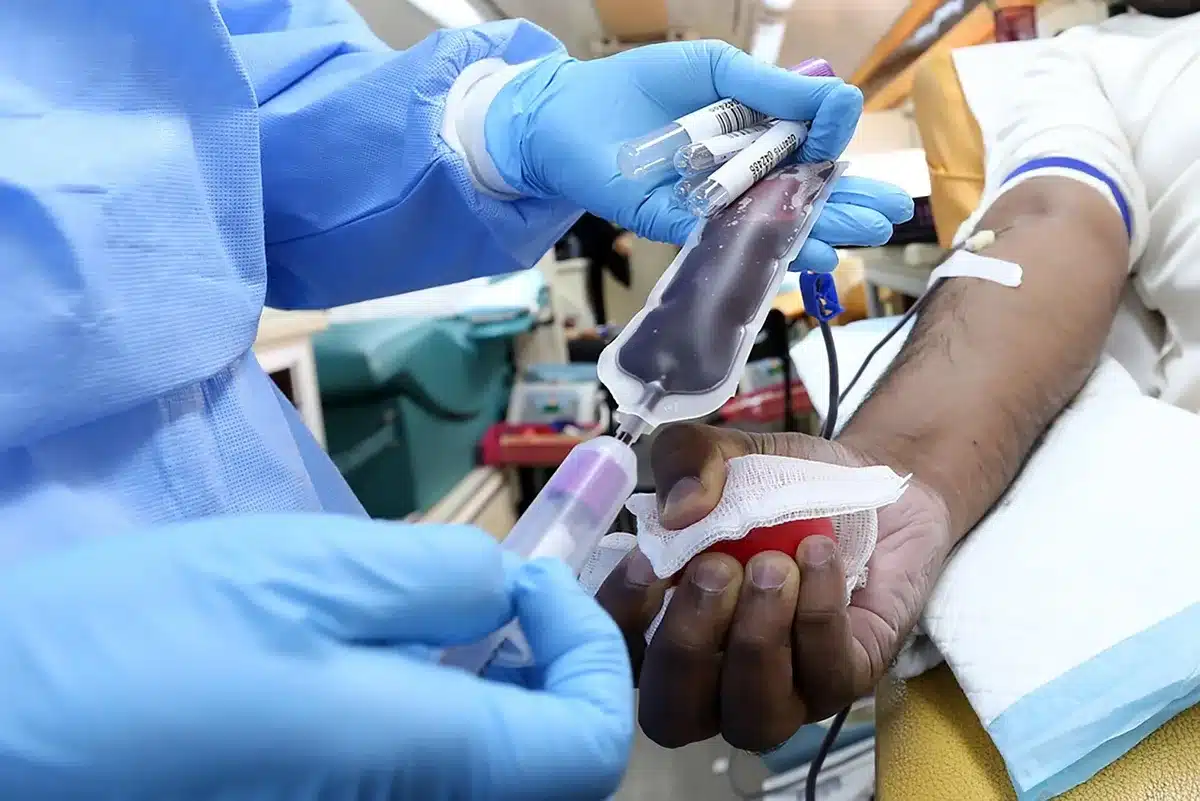
Instructions for hospitals, clinics, and surgical centers
Healthcare facilities should follow the FDA recall notice and the manufacturer’s guidance. Swift communication within the facility is essential.
- Review inventory and remove affected lots immediately.
- Inform clinical staff and update IV preparation protocols.
- Report any adverse events or product complaints to the FDA’s MedWatch program.
How to handle exposed patients
When a patient may have received a contaminated IV product, clinicians should evaluate symptoms and consider monitoring or diagnostic imaging if indicated. Early documentation helps with tracking outcomes.
Advice for patients and caregivers
Patients receiving IV therapy should feel empowered to ask their care team about the fluids being used. If you notice unusual symptoms after IV treatment, notify staff right away.
- Ask clinicians to confirm product lot numbers when concerned.
- Report redness, swelling, fever, or sudden breathing problems immediately.
- Keep records of treatments, including facility names and dates.
Reporting problems and seeking further information
The FDA encourages reports of any suspected contamination or adverse outcomes. Timely reporting helps regulators track patterns and protect patients.
- File reports through the FDA MedWatch portal.
- Contact the manufacturer for product return instructions.
- Keep samples and packaging when possible for investigation.
How recalls like this influence hospital supply chains
Recalls prompt hospitals to reassess vendor reliability and inventory redundancy. Many facilities maintain alternate suppliers to avoid care interruptions.
- Supply teams may increase inspections and batch testing.
- Facilities might revise contracts to include stricter quality clauses.
- Staff training on product inspection becomes a priority.
Background on regulatory monitoring and patient safety
The FDA monitors medical product quality through inspections and adverse event reports. When contaminants are suspected, regulators and manufacturers act to limit exposure.
- Recalls aim to remove risk quickly while investigations continue.
- Transparency and rapid reporting are key to protecting patients.
Similar Posts:
- Xanax XR recalled by FDA: batch pulled over effectiveness concerns
- Patient safety: top U.S. hospitals 2026 named by Healthgrades
- FDA flags over 3 million eye drop bottles: check if yours is affected
- Compounded peptides now easier to obtain: FDA eases restrictions despite safety warnings
- Shredded cheese recall: over 1 million bags pulled for metal particles and listeria

Cole is a passionate vegan dessert artist with a knack for turning indulgent classics into plant-based masterpieces. His sweet creations are where flavor meets conscious living.