

Traveling to South Korea for K-beauty treatments is no longer niche. Patients from around the world chase meticulous techniques, innovative procedures, and aesthetic trends. Before you buy a plane ticket, a few practical checks can protect your health and your wallet.
Why South Korea Attracts Medical Aesthetics Tourists
Seoul is synonymous with advanced cosmetic techniques and beauty innovation. Clinics often combine medical skill with cosmetic artistry. Many surgeons specialize in facial harmony and minimally invasive lifts. Clinics also promote fast turnaround, which appeals to travelers. But reputation and marketing can blur real standards.
Common procedures visitors seek
- Double eyelid surgery and blepharoplasty
- Rhinoplasty
- Jaw and cheek contouring
- Non-surgical treatments: fillers, Botox, lasers
- Skin rejuvenation and laser resurfacing
How to Verify Credentials and Clinic Reputation
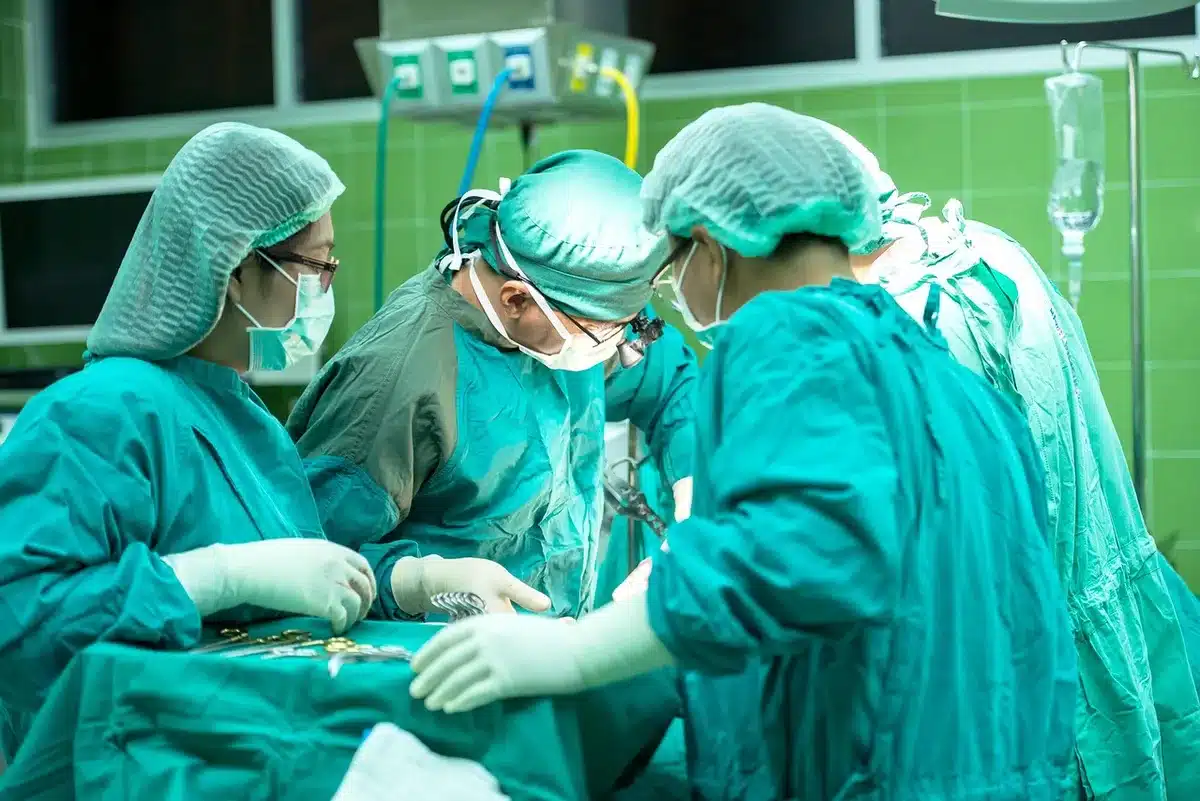
Not all clinics are equal. Look beyond glossy websites. Confirm a surgeon’s formal training and hospital affiliations. In Korea, board certification and hospital privileges matter. These credentials reduce risk and indicate the surgeon operates in recognized medical settings.
- Check the doctor’s education, residency, and fellowship details.
- Confirm membership in national plastic surgery or dermatology associations.
- Look for hospital affiliations rather than clinic-only listings.
- Search for independent patient reviews on forums and social media.
Assessing before-and-after photos
Before-and-after galleries can be helpful. But they are also curated. Verify that photos are recent and unedited. Ask the clinic if they can provide multiple examples of similar cases. A trustworthy surgeon will show a range of results and discuss limitations openly.
Questions to Ask Before You Book
A short list of targeted questions saves time and avoids surprises. Ask for specifics about the procedure, the team, and the expected recovery. Demand clear, written answers.
- Who will perform the procedure? Request the surgeon’s full name and qualifications.
- Will the operation occur in a licensed hospital or a clinic? Hospitals offer better emergency support.
- What are the expected risks and complication rates?
- Can I see references or patient testimonials for cases similar to mine?
- What follow-up care is included, and how is it handled for international patients?
Logistics: Scheduling, Travel, and Recovery
Timing matters. Plan recovery around your travel dates. Some procedures require a brief stay in Korea; others need weeks. Factor in follow-up visits and the potential for unplanned complications.

- Book a consultation at least several weeks before surgery when possible.
- Allow extra days for pre-op tests and post-op checks.
- Arrange travel insurance that covers medical procedures abroad if possible.
- Have a contingency plan for extended stays or unexpected treatment.
Practical recovery tips for travelers
- Choose accommodations close to the clinic for the first few days.
- Bring any prescription details and a list of current medications.
- Pack comfortable clothing and essentials for limited mobility.
- Arrange local language support if you don’t speak Korean.
Cost Transparency and Payment Issues
Price points vary widely. Some clinics advertise low packages to attract foreign patients. Understand what the quote covers. Hidden fees and additional charges can add up fast.
- Request a full written estimate: surgeon fee, anesthesia, facility fee, and post-op care.
- Confirm whether follow-up visits or complication management are included.
- Ask about refund policies for cancellations or delays.
- Verify accepted payment methods and currency details.
Safety Red Flags You Should Never Ignore
Some warning signs are immediate. Do not proceed if anything feels off. Trust your instincts and seek a second opinion.
- Pressure to sign contracts quickly or accept big discounts without inspection.
- Inability to verify the surgeon’s identity or qualifications.
- Clinic reluctance to provide written estimates or post-op instructions.
- Missing emergency protocols or no access to an accredited hospital.
- Photos that look overly edited or a lack of varied case examples.
Communication, Translation, and Cultural Differences
Clear communication reduces misunderstandings. Language gaps can affect informed consent and aftercare. Insist on translators for consultations if you don’t speak Korean. Many reputable clinics provide bilingual coordinators, but verify their medical knowledge.
- Request written consent forms in your language.
- Use a professional medical interpreter for critical conversations.
- Confirm post-op instructions in writing before leaving the clinic.
Planning for Follow-Up at Home
After you return home, healing continues. Coordinate with your local physician for ongoing care. Keep open records and photos to monitor progress. If complications arise, local medical support shortens response time.
- Bring copies of surgical notes and prescriptions.
- Schedule a local follow-up appointment within a few weeks.
- Maintain contact with the Korean clinic for questions or emergency advice.
Similar Posts:
- Kylie Jenner undergoes stem cell therapy for chronic postpartum back pain
- Mike Wolfe discharged from hospital: remains at girlfriend’s side after she was airlifted
- Taylor Swift Moves In With Dad After Intense Surgery: Health Update Revealed!
- Piers Morgan broken hip: hospitalized after tripping on a small step
- Bindi Irwin Skips Steve Irwin Gala After Sudden Health Scare: ‘Priority on Well-being,’ Confirms Brother

Cole is a passionate vegan dessert artist with a knack for turning indulgent classics into plant-based masterpieces. His sweet creations are where flavor meets conscious living.