
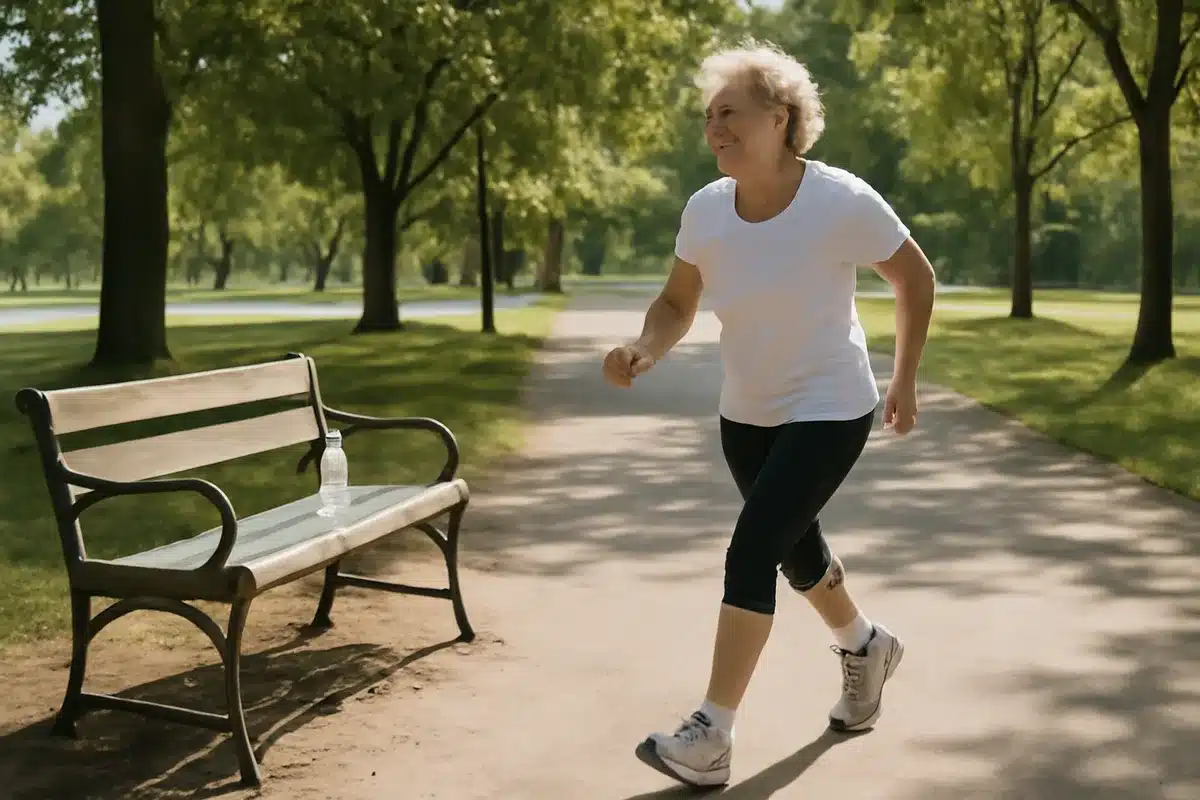
New research suggests that regular aerobic activity can do more than strengthen the heart. For postmenopausal women, it may also preserve memory, sharpen attention, and slow age-related brain changes. Scientists are mapping how moving the body affects brain regions tied to learning and mood, and the findings could change approaches to midlife health.
Why aerobic workouts matter for the aging brain
Aerobic exercise raises heart rate and improves blood flow. That helps deliver oxygen and nutrients to brain tissue. In turn, this can support neural health and resilience.

- Improved circulation reduces vascular risk factors linked to cognitive decline.
- Exercise stimulates growth factors that promote neuron survival and formation.
- Regular activity helps regulate inflammation and metabolic balance.
For women after menopause, these effects can be especially relevant. Hormonal shifts influence brain structure and function, and aerobic fitness may offset some of those changes.
What recent studies show about memory and brain structure
Several trials have focused on postmenopausal participants. Researchers measured memory, attention, and brain anatomy before and after exercise programs.
Key findings from clinical research
- Participants who followed moderate aerobic programs often showed better scores on memory tests.
- Some studies reported increased volume in the hippocampus, a region central to memory.
- Cardiorespiratory improvements correlated with cognitive gains in many trials.
Not all studies are identical, but the pattern supports a link between sustained aerobic activity and healthier brain markers.
Types of aerobic activity that work well
Many forms of sustained movement qualify as aerobic exercise. The best choice depends on fitness, joint health, and personal preference.

- Brisk walking or hiking
- Swimming or water aerobics
- Cycling, indoor or outdoor
- Low-impact cardio classes and dance
Variety helps maintain motivation and targets different muscle groups. Combining aerobic work with strength training and balance exercises can boost overall benefit.
How much exercise is recommended
Public health guidelines offer a practical starting point. For many adults, including postmenopausal women, these targets are achievable and effective.
- Aim for at least 150 minutes of moderate aerobic activity per week.
- Alternatively, 75 minutes of vigorous activity can be swapped in.
- Break sessions into 10–30 minute bouts if needed.
Increasing intensity or duration gradually reduces injury risk. Monitoring heart rate or perceived exertion helps tailor workouts to individual fitness.
Practical steps to start and stay consistent
Behavioral changes make the difference between short bursts and long-term benefits. Simple strategies can sustain a routine.
- Set realistic, specific goals and track progress.
- Choose activities you enjoy to improve adherence.
- Pair exercise with social or community programs for accountability.
- Schedule workouts like appointments and protect that time.
Consult a healthcare provider before beginning a new program, especially when managing chronic conditions.
Gaps in knowledge and what scientists want next
Despite promising results, questions remain. Researchers seek to define optimal dose, timing, and long-term effects of aerobic training in postmenopausal women.
- How do exercise benefits interact with hormone therapy?
- Which brain networks respond most to different intensities?
- Can targeted programs delay or prevent dementia in high-risk women?
Future trials with larger samples and longer follow-up will clarify these issues and refine recommendations.
Similar Posts:
- Exercise rewires nerves that control the heart: study finds
- Breast cancer risk may drop with physical activity: study finds
- Type 2 diabetes risk drops with intense exercise: go harder, not longer
- Exercise for anxiety and depression: new study reveals the best workouts
- How to target abdominal fat : the optimal exercise duration to slim your belly

Cole is a passionate vegan dessert artist with a knack for turning indulgent classics into plant-based masterpieces. His sweet creations are where flavor meets conscious living.