

Van drivers across the UK are feeling the squeeze as emissions-based charging zones multiply. New figures reveal many pay hundreds each year to enter Clean Air Zones and Low Emission Zones, with London’s ULEZ hitting small commercial vehicles hardest.
Average costs hitting van owners’ pockets
Recent research shows the typical van driver now spends about £780 a year to travel through regulated urban areas. That works out at roughly £65 per month.

In London the burden is even heavier. Non-compliant vehicles can be charged £12.50 a day, which translates to around £99 a month and almost £1,200 a year for frequent users.
- Daily ULEZ fee: £12.50 for many non-compliant vans, cars and motorcycles.
- Zones apply to vehicles up to and including 3.5 tonnes, and larger minibuses are included up to 5 tonnes.
Where emissions zones are already in force
Emissions-driven schemes now operate in cities across the UK. They vary in design and penalties, but all aim to cut pollution.
- Bath
- Birmingham
- Bradford
- Bristol
- Portsmouth
- Sheffield
- Tyneside
- London
- Oxford
- Aberdeen
- Dundee
- Edinburgh
- Glasgow
Scottish Low Emission Zones work differently. Instead of daily charges they ban non-compliant vehicles from certain streets, and fines follow if drivers breach the rules.
Commercial drivers face mounting running costs
Peugeot’s research highlights that many small businesses now pay more to enter Clean Air Zones than they do for parking or minor fines.
- Costs stack on top of higher fuel bills, MOTs, insurance and servicing.
- For frequent urban trips, CAZ charges can form a substantial part of annual running costs.
Peugeot warns that with living costs rising, the cumulative impact on self-employed drivers and fleets is significant.
Advice from manufacturers and incentives to switch
Manufacturers are pushing electric vans as a way to avoid charges. Peugeot, for example, markets several zero-emission models as direct replacements for diesel vans.
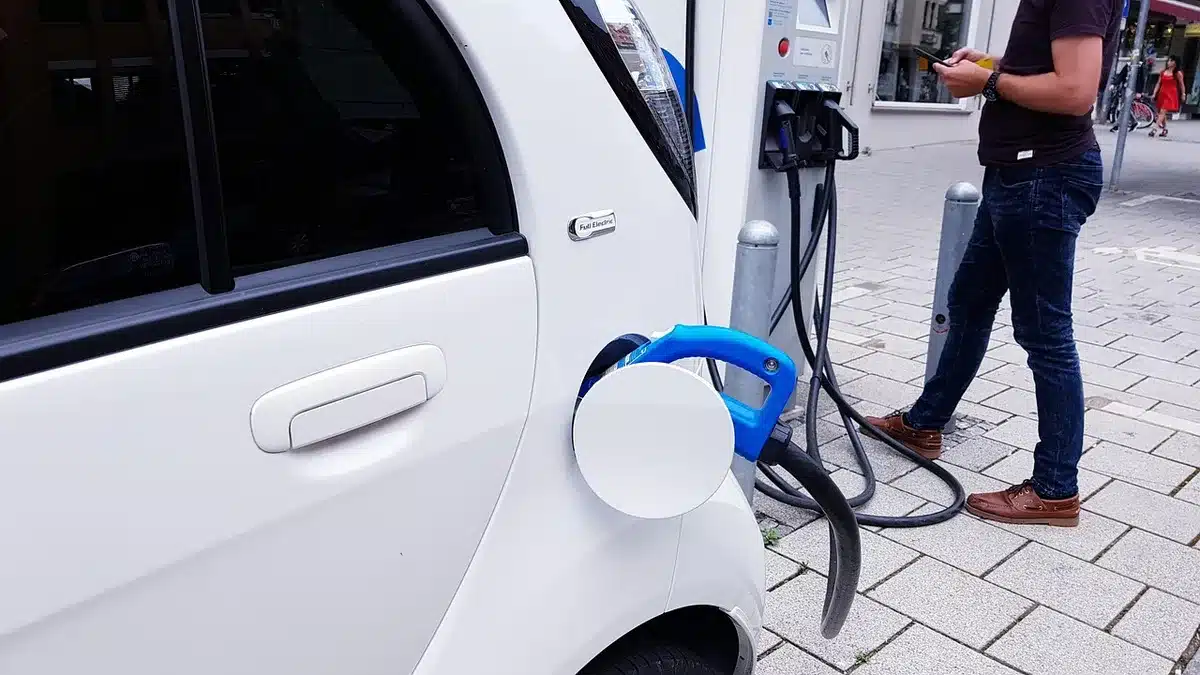
- Peugeot E-Partner
- Peugeot E-Expert
- Peugeot E-Boxer
These models are offered on monthly finance plans aimed at matching diesel payments. There are government incentives too. The Plug-in Van Grant can cut the purchase price by:
- £2,500 on the E-Partner
- £5,000 on the E-Expert and E-Boxer
How much revenue the zones have generated
Freedom of Information requests to 13 councils show the financial scale of the schemes. Across 12 active zones, total revenue from launch to 31 March 2026 is nearly £1.5 billion.
London accounts for the bulk. The ULEZ and the capital’s Low Emission Zone together raised about £1.2 billion, boosted by the ULEZ expansion across the whole city in 2023.
What this means for drivers and businesses
For many van operators the choice is practical as well as financial. Upgrade the vehicle, pay daily charges, or reroute journeys to avoid fees.
- Switching to an electric van removes daily CAZ fees.
- Grants and finance can narrow the cost gap with diesel models.
- Smaller operators may still face upfront barriers to electrification.
Industry voices say this is an important moment for fleet operators to review vehicle strategy and long-term costs.
Similar Posts:
- £1bn unpaid Ulez costs: TfL targets major car brands
- Diesel cars near extinction: could vanish within years as UK drivers switch to EVs
- Driving law changes in June: new MOT rules, HMRC hikes and DVSA updates
- Sadiq Khan Triumphs: ULEZ Brings Significant Health Gains for London Residents – A Clever Strategy
- Car tax changes could save drivers £2,200 under Rachel Reeves: full list

Naomi is a clean beauty expert passionate about science-driven skincare and natural remedies. She demystifies ingredients and shares routines that empower readers to glow — naturally.