
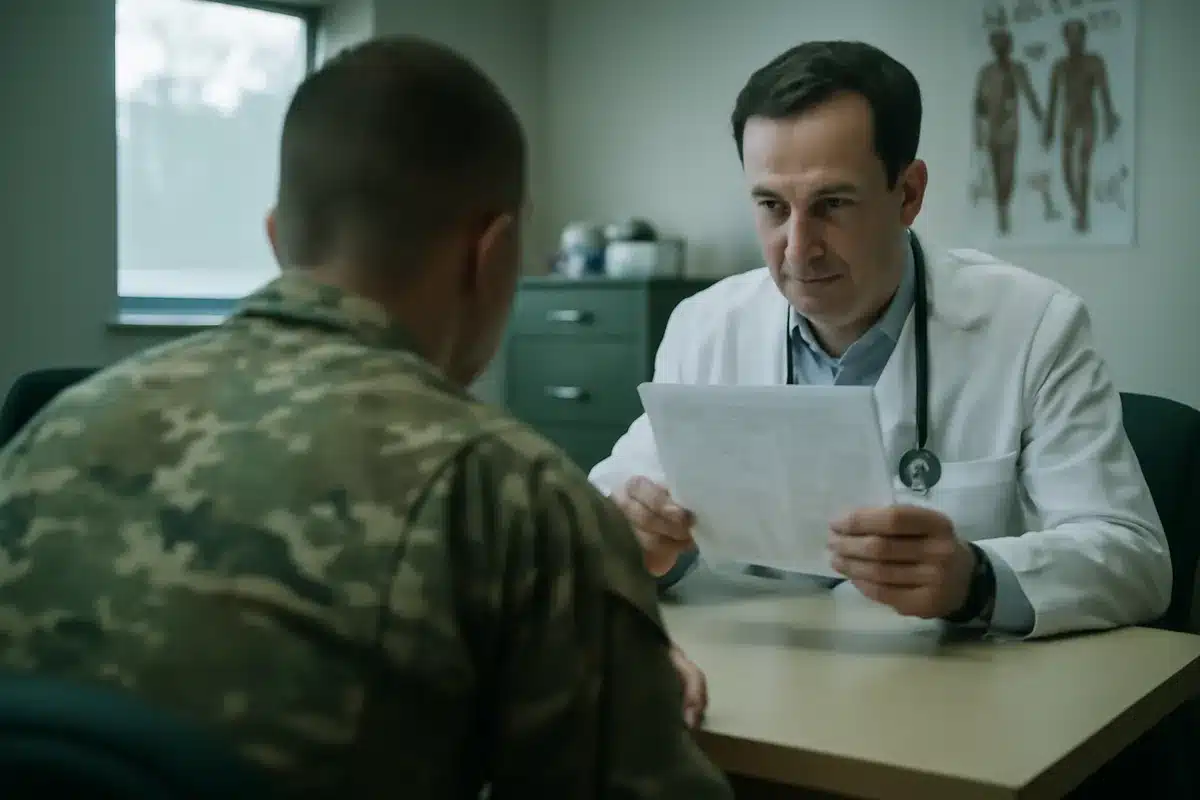
The U.S. military plans to add routine screening for low testosterone among service members, a move that has sparked a wave of questions from medical experts and advocates. The policy aims to catch hormonal issues early, but clinicians warn that broad testing could create unintended medical, operational, and ethical problems.
What the new screening will do and who it affects
The military’s screening program will offer testosterone checks to enlisted personnel and officers during medical evaluations. The tests target signs such as fatigue, low libido, and muscle loss. Programs will be phased in across branches and may be included in periodic health assessments.
- Scope: Routine blood tests during annual or deployment-related exams.
- Targets: Adults assigned to active duty, with possible follow-up for reservists.
- Triggers: Symptoms, medication use, or certain deployments that raise concern.
Medical experts voice concerns about overdiagnosis
Physicians warn that blanket screening can lead to false or fluctuating results. Testosterone levels vary by time of day, illness, and recent activity. A single abnormal result does not always mean chronic low testosterone or “hypogonadism.”
- Levels peak in the morning and decline later. Timing matters for accuracy.
- Acute stress, infections, and some medications can temporarily lower values.
- Lab methods and reference ranges differ. Not all tests are equivalent.
Experts emphasize repeat testing and clinical context before diagnosing or starting therapy.
Potential risks tied to wider use of testosterone therapy
Increasing screening may increase prescriptions for testosterone replacement. While therapy helps some patients, it carries risks that must be weighed carefully. Side effects can include acne, sleep apnea, and changes in cholesterol.

- Cardiovascular concerns: Some studies link therapy with heart events, though evidence is mixed.
- Fertility impact: Exogenous testosterone can suppress sperm production.
- Psychological effects: Mood shifts and dependence on medication are possible.
For service members of reproductive age, the fertility risk raises specific career and family planning issues.
Operational and readiness implications
Commanders must balance individual care with unit readiness. New diagnoses could change fitness-for-duty status and deployment eligibility. Medical disqualifications or temporary restrictions could increase if many members require treatment.
- Medication side effects may limit strenuous training or combat roles.
- Follow-up testing and specialty referrals could increase clinic loads.
- Administrative paperwork and case reviews may rise, affecting personnel management.
Accuracy challenges: when and how to test testosterone
Reliable diagnosis depends on test timing and method. Standard guidance recommends morning blood draws and repeat confirmation for low values. However, real-world constraints like shift work and deployments complicate timing.
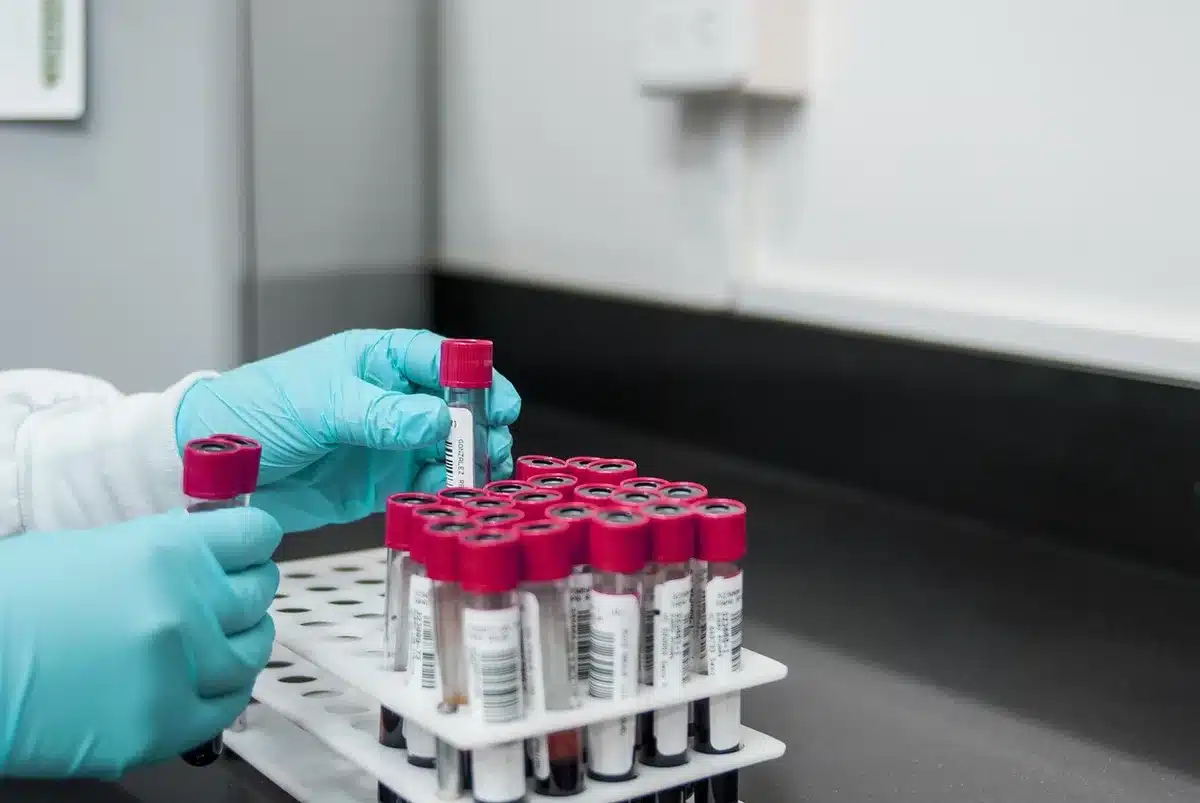
- Measure total testosterone in the morning when possible.
- Repeat tests after recovery from acute illness.
- Consider free testosterone or sex hormone–binding globulin if results conflict.
Faulty timing or single tests can wrongly label healthy people as deficient.
Special populations: women, young men, and those on medications
Low testosterone in women is clinically different from male hypogonadism. Routine screening risks misinterpretation across sexes. Younger service members on opioid painkillers or anabolic steroids face unique testing challenges.
- Women have much lower normal testosterone ranges and different symptom profiles.
- Opioids and some antidepressants can lower hormone levels.
- Anabolic steroid users may show suppressed natural production after stopping.
Data privacy, consent, and the chain of command
Health data in the military intersects with command decisions. Screening programs raise privacy questions about who sees results. Service members may worry that a diagnosis could affect promotions, assignments, or security clearances.
- Confidentiality: Medical records are protected, yet commanders receive fitness reports.
- Informed consent: Individuals should understand testing purposes and consequences.
- Career impact: Disclosure may influence duty limitations or deployability.
What evidence supports screening and where gaps remain
Proponents argue that early detection can improve health and performance. But large-scale evidence supporting routine population screening is limited. Key questions include prevalence in healthy service members and long-term outcomes of treatment.
- Randomized trials are scarce on screening benefits in young, healthy adults.
- Longitudinal data on treatment risks in military cohorts are limited.
- More research is needed on operational impacts and cost-effectiveness.
Practical guidance for clinicians and commanders
Experts recommend a cautious, evidence-driven approach. Clinical assessment should guide testing. When low results appear, clinicians should repeat tests and rule out reversible causes before starting therapy.
- Assess symptoms, medication history, and recent illnesses.
- Repeat morning testing before diagnosing chronic deficiency.
- Discuss fertility, cardiovascular risks, and alternatives to therapy.
Questions service members should ask before testing or treatment
Individuals facing screening can advocate for clear information. Ask about test timing, the meaning of results, follow-up steps, and how records will be used.
- Why is this test recommended now?
- How will the timing of the blood draw affect results?
- What are the treatment options and possible side effects?
- Who will have access to my results, and how could they affect my career?
Similar Posts:
- Testosterone replacement therapy: FDA moves to loosen restrictions
- Testosterone therapy labels updated by HHS: new warnings for prostate cancer and hypogonadism
- Cholesterol guidelines: new push for earlier screening and treatment
- James Van Der Beek on colorectal cancer: it’s harder than he expected
- HPV-vaccinated women may need fewer cervical cancer screenings: new study

Cole is a passionate vegan dessert artist with a knack for turning indulgent classics into plant-based masterpieces. His sweet creations are where flavor meets conscious living.