

New research shows that women diagnosed with PMOS, the condition formerly known as PCOS, face a markedly elevated risk of heart attacks and strokes. The findings are prompting clinicians to rethink screening and long-term care for millions of women worldwide.
What the new evidence reveals about PMOS and cardiovascular risk
Large observational studies and meta-analyses now link PMOS to higher rates of major cardiovascular events. These links remain after adjusting for age and some traditional risk factors.
- Increased incidence: Women with PMOS experience more heart attacks and strokes than women without the disorder.
- Early onset: Events often occur at younger ages than expected for the general population.
- Persistent risk: Elevated cardiovascular risk appears to persist across decades.
Why PMOS might raise the chance of heart attack and stroke
The relationship is likely multifactorial. Several health problems that commonly accompany PMOS can strain the cardiovascular system.
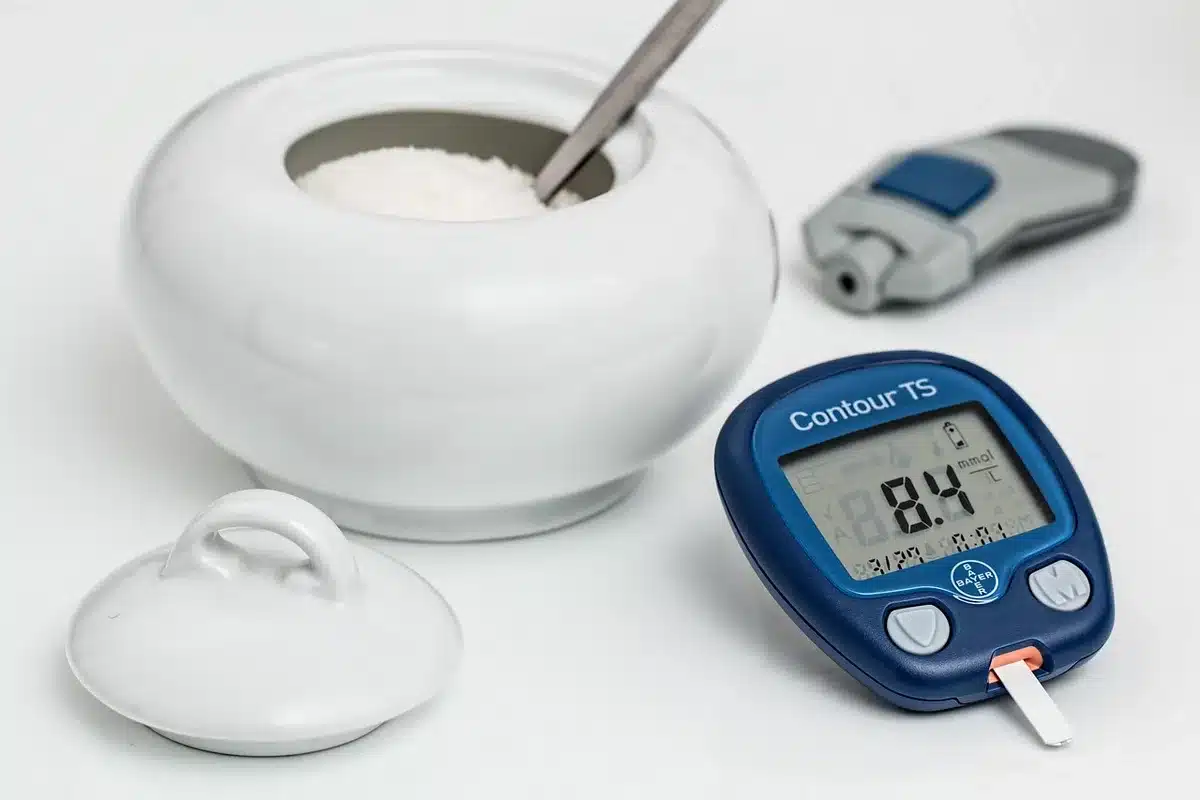
- Insulin resistance and higher rates of type 2 diabetes.
- Chronic inflammation and endothelial dysfunction.
- Unfavorable cholesterol profiles and higher triglycerides.
- Greater prevalence of obesity and abdominal fat.
- Higher rates of hypertension.
These factors often act together. The combined effect can accelerate atherosclerosis and increase thrombosis risk.
Clinical implications: screening and prevention for women with PMOS
Experts are urging more proactive cardiovascular screening in women diagnosed with PMOS. Early identification of risk factors can change outcomes.
Recommended checks and monitoring
- Regular blood pressure measurements.
- Periodic lipid panels and glucose screening.
- Weight and waist-circumference tracking.
- Assessment of smoking status and lifestyle habits.
Targeted risk-reduction strategies include lifestyle modification, glucose control, blood pressure management, and lipid-lowering therapy when indicated.
What women diagnosed with PMOS should know and do now
Awareness is the first step. Women with PMOS can take practical steps to lower their cardiovascular chances.

- Talk to your clinician about cardiovascular screening and personalized risk assessment.
- Adopt a heart-healthy diet focused on whole foods, fiber, and reduced processed sugars.
- Increase physical activity to improve insulin sensitivity and reduce weight.
- Quit smoking and limit alcohol.
- Follow medical advice on blood pressure, cholesterol, and diabetes management.
Medication may be needed for some patients. Statins, antihypertensives, and glucose-lowering drugs can be lifesaving when prescribed appropriately.
Research gaps and the debate over the name change from PCOS to PMOS
The shift in terminology to PMOS reflects evolving understanding of the condition’s spectrum. Some researchers contend the new name better captures diverse presentations.
- Ongoing studies aim to quantify lifetime cardiovascular risk more precisely.
- Research is exploring which treatments most effectively reduce heart attack and stroke risk in this group.
- There is active debate on optimal screening timelines and thresholds.
Clinicians note that renaming alone will not change outcomes. Actionable care pathways and broader awareness are essential.
How public health systems might respond
Health systems face tough choices about screening guidelines and resource allocation. Early prevention could lower long-term costs.
- Increased screening programs for women with PMOS.
- Integration of cardiovascular prevention into reproductive and endocrine clinics.
- Education campaigns to inform patients and primary-care providers.
Policy makers are watching accumulating evidence closely. Many argue for earlier intervention to prevent avoidable cardiovascular events.
Similar Posts:
- Early menopause increases heart disease risk by 40%: experts warn
- New Study Reveals: Women’s Heart Health More Sensitive to Lifestyle Choices Than Men’s
- Early natural menopause spikes metabolic syndrome risk 27%: new study warns
- PMOS replaces PCOS: doctors say new name will improve diagnosis and care
- Early menopause linked to high blood pressure: 6 proven ways to cut your risk

Cole is a passionate vegan dessert artist with a knack for turning indulgent classics into plant-based masterpieces. His sweet creations are where flavor meets conscious living.