
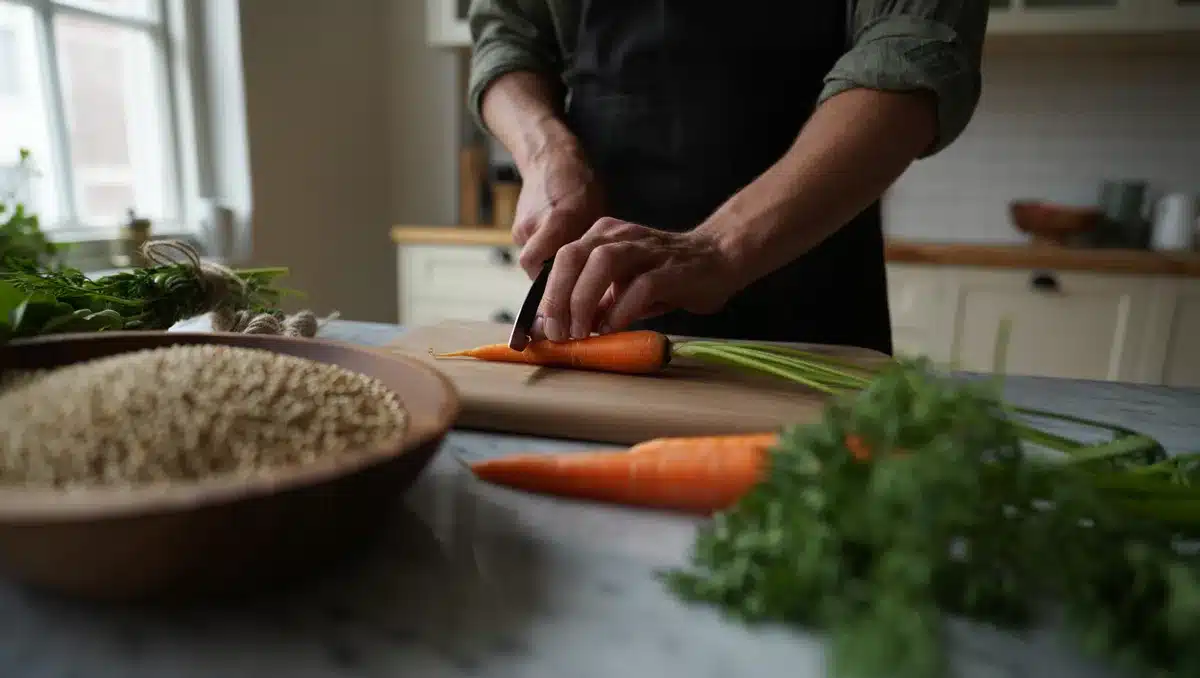
Robert F. Kennedy Jr.’s new cooking series arrives with more than recipes. It mixes food, health claims and politics into a package designed to attract viewers who distrust mainstream nutrition advice. The show promises “real food” solutions, but it has also sparked debate among chefs, doctors and media critics.
Inside the show’s concept and format
The program pairs RFK Jr.’s crusading voice with simple kitchen demonstrations. Episodes run short and lean on conversational segments. Each installment highlights a handful of dishes and a core theme.
- Focus: whole foods, minimal processing, local ingredients.
- Segments: cooking how-tos, interviews, and commentary on health trends.
- Production: low-key, intimate kitchen setting meant to feel like a home dinner table.
Cooking philosophy: what “real food” means on screen
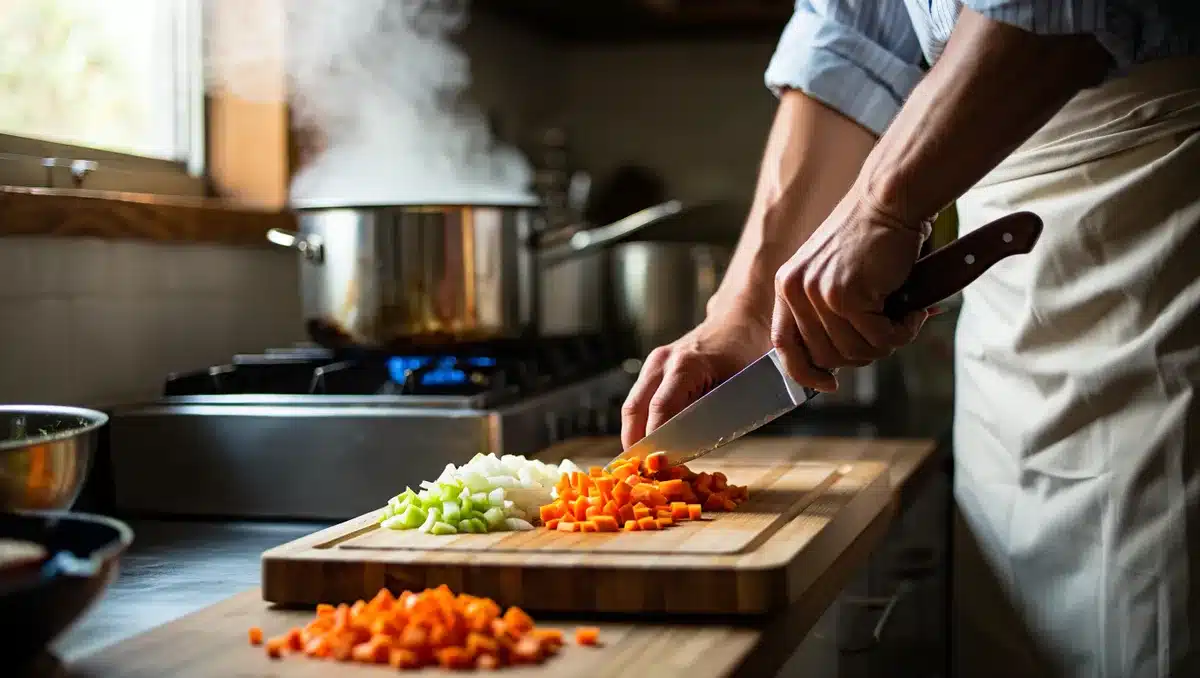
The series promotes a return to unprocessed ingredients and home cooking. It frames packaged foods and industrial seed oils as culprits. The culinary tone borrows from farm-to-table movements.
Core claims and themes
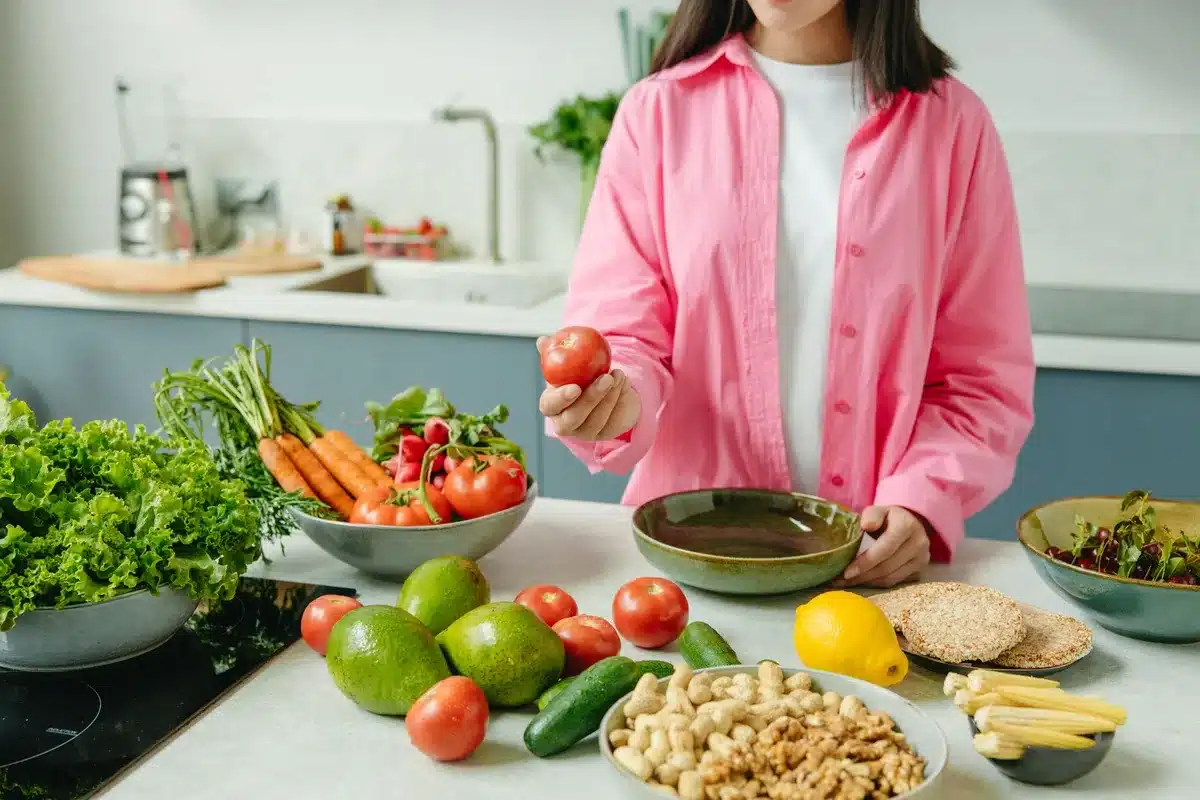
- Favor whole grains, vegetables, pasture-raised proteins and traditional fats.
- Reduce ultra-processed foods and factory-made additives.
- Emphasize simple preparations that center flavor and nutrition.
Hosts and guests often stress food as medicine. That messaging speaks to viewers seeking greater control over their diets.
Guest lineup and cultural allies
The show mixes chefs, wellness influencers and critics of mainstream medicine. Guests often share personal stories about food and health.
- Independent chefs who champion local, seasonal cooking.
- Alternative health advocates with outspoken views on diet and medicine.
- Food activists discussing agricultural policy and supply chains.
These voices shape the program’s tone: informal, contrarian and at times combative toward established institutions.
Where the show lands with nutrition experts
Medical and nutrition professionals have reacted with concern. They praise the push for less processed food, but warn about misleading claims.
- Doctors warn that sweeping health claims need robust studies.
- Registered dietitians call for balanced guidance, not absolute prescriptions.
- Scientists note risk when single narratives replace nuanced evidence.
Experts emphasize one point: whole foods are beneficial, but context and individual needs matter.
Controversies and fact-checks
Some segments have prompted independent fact-checks. Critics say certain assertions lack scientific backing.
- Claims about specific foods curing illnesses have been flagged.
- Statements linking industrial agriculture directly to chronic disease draw debate.
- Alternative therapies promoted alongside recipes have raised red flags.
Producers respond that the series aims to spark conversation rather than serve as medical advice. Still, the line between lifestyle journalism and health guidance remains thin.
Audience response and platform reach
The show finds traction with a niche but passionate audience. Social clips and short recipes perform well on streaming and social platforms.
- High engagement among viewers skeptical of mainstream institutions.
- Shares and comments often center on personal success stories.
- Critics and fact-checkers add to the program’s visibility.
How politics and personal brand shape the kitchen table
RFK Jr.’s public profile amplifies the series. For many viewers, the program is as much political branding as it is cooking television.
Food choices become part of a larger narrative about self-reliance, distrust of large institutions and a return to perceived traditional values. That message helps explain the show’s appeal beyond simple culinary interest.
Recipes you might see and their practical appeal
Episodes favor straightforward, approachable dishes. The recipes usually require few specialty ingredients and prioritize flavor.
- Hearty vegetable, grain and legume bowls with seasonal produce.
- Roasted proteins using traditional fats and simple herbs.
- Fermented and preserved foods positioned as gut-friendly options.
Viewers get practical tips: shopping lists, timing tricks and ways to adapt recipes for families.
What to watch for next
Upcoming episodes promise deeper dives into sourcing and food systems. Expect more interviews with farmers and food-policy commentators.
The show also plans themed installments on preserving food, backyard gardening and low-waste cooking techniques.
Similar Posts:
- Bobby Flay and daughter Sophie: sweetest photos that’ll melt hearts
- Biblical eating: why TikTok is obsessed with this whole-food trend
- Egg coffee goes viral on TikTok: could pose serious health risks
- RFK Jr.’s inverted food pyramid: why experts are split
- RFK Jr. slashes added sugars and processed foods in bold new dietary guidelines
Cole is a passionate vegan dessert artist with a knack for turning indulgent classics into plant-based masterpieces. His sweet creations are where flavor meets conscious living.