
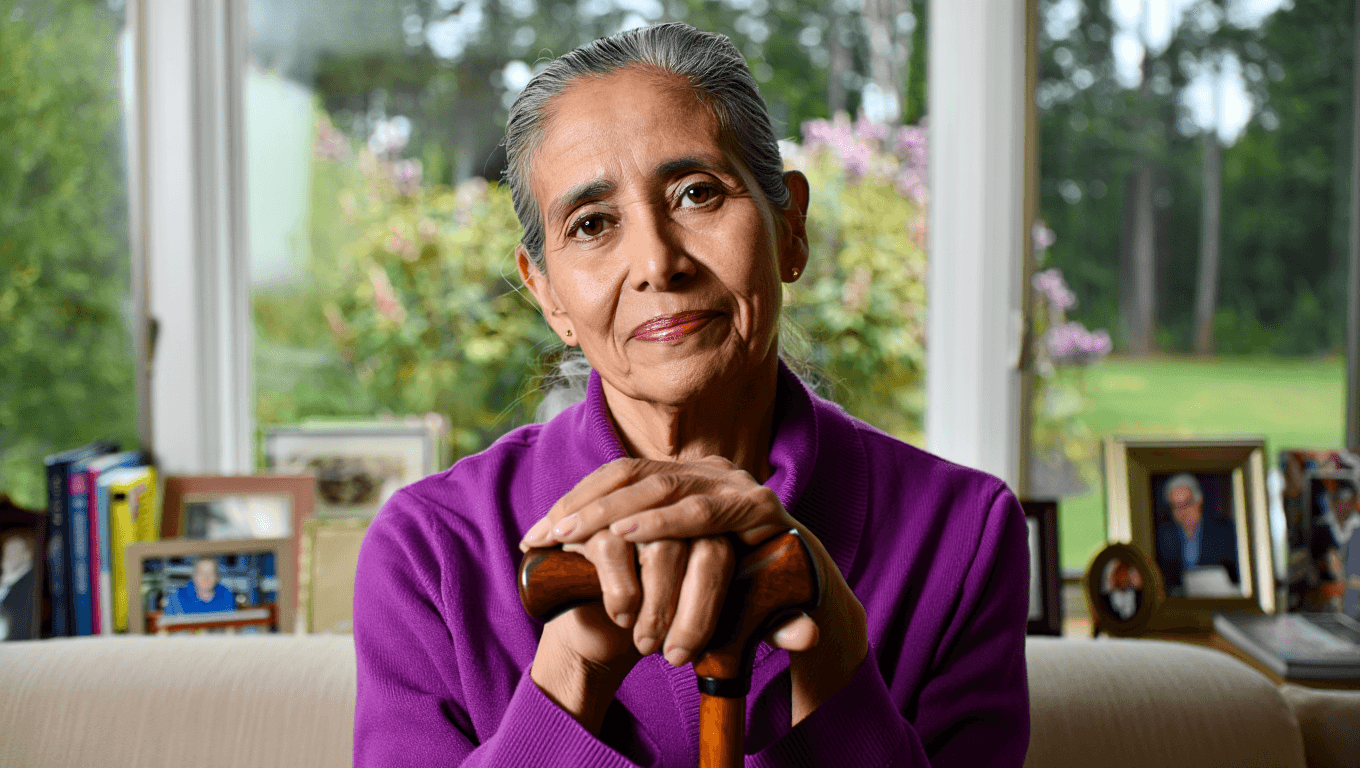
When doctors first told her she had HIV in 1996, she refused to accept that diagnosis as a life sentence. Today, at 74, she is active, visible and shaping conversations about aging with HIV. Her story traces medical breakthroughs, personal grit and community ties that turned a frightening prognosis into a life of purpose.
A diagnosis in 1996: fear, stigma and unexpected resilience
In the mid-1990s, an HIV diagnosis often carried fear and little reliable hope. For many, it meant a rapid decline. For her, it was the start of a new chapter built on tenacity.
- She remembers the shock of the word “HIV” and how quickly stigma followed.
- Family ties frayed, but some friendships grew stronger.
- She sought information, medication and peer support despite limited resources.
Her early response combined curiosity and determination. That mindset helped her navigate fast-changing treatment options.
How antiretroviral therapy transformed outcomes
Antiretroviral therapy (ART) changed the landscape in the years after 1996. New drugs reduced viral loads and made long-term survival achievable.
Medical progress that mattered
- Combination ART became more effective and safer.
- Fewer side effects made adherence easier.
- Access programs and generic drugs helped more people receive treatment.
For people diagnosed decades ago, including those now in their 70s, ART turned HIV from a fatal disease into a manageable chronic condition.
Daily life and wellness at 74: routines that support longevity
Her life today centers on routines that maintain health and joy. Medication adherence is one part. Social connection and purpose are others.
- Consistent medication schedule monitored with pillboxes and reminders.
- Regular checkups with a clinic that understands aging with HIV.
- Physical activity adapted to mobility and stamina.
- Balanced diet and attention to mental health.
She emphasizes small, daily choices that add up over years. Sleep, hydration and stress management feature heavily in her regimen.
Community, advocacy and the power of visibility
Being vocal about her status helped break isolation. She joined peer groups and later became a public advocate.
- Volunteer work at local clinics connects older adults to services.
- Public talks challenge stereotypes about age and HIV.
- Mentorship helps younger people newly diagnosed feel less alone.
Visibility changed perceptions. When older adults with HIV speak, they reshape public understanding of who lives with the virus.
Challenges that remain for older adults living with HIV
Even with medical advances, aging with HIV carries unique challenges. Providers and communities still grapple with gaps in care.
- Higher risk of age-related conditions like cardiovascular disease.
- Drug interactions between ART and medications for other illnesses.
- Persistent stigma that affects mental health and access to services.
Addressing these issues requires coordinated care. Geriatric expertise and HIV specialists must work together more often.
Lessons from a life lived well: practical tips and insights
Her experience offers concrete advice for people living with HIV and for families.
- Prioritize medication adherence. Consistency protects immune function.
- Build a trusted health team. Ask about interactions and preventive care.
- Stay socially connected. Isolation worsens outcomes.
- Advocate for age-friendly HIV services in your community.
- Invest in mental health supports and counseling.
Small steps matter. The habits she sustained over decades are the same ones clinicians recommend today.
What experts say about aging with HIV
Researchers and clinicians highlight two truths. One: effective treatment makes long-term survival common. Two: aging brings new health priorities.
- Regular screenings for heart disease, bone health and cancers become essential.
- Coordination between HIV care and primary care reduces risks.
- Support programs tailored to older adults improve adherence and quality of life.
Medical teams now focus on holistic care, not only viral suppression. That shift affects outcomes for people in their 60s, 70s and beyond.
Her message to the newly diagnosed and the curious public
She speaks directly to people facing a new diagnosis and to those who fear the unknown. Her message is both practical and hopeful.
- Seek information from trusted medical sources.
- Join peer support groups early.
- Keep a long-term view: effective treatment exists.
- Speak up—visibility can change policy and public opinion.
She reminds everyone that age is not a barrier to living fully with HIV. Her life demonstrates how care, community and tenacity produce lasting wellbeing.
Similar Posts:
- cardiovascular disease: 3 young adults reveal how they learned to thrive
- HIV once-weekly pill rivals daily therapy: global study finds
- Adults over 60 still crave intimacy: what society gets wrong
- Early onset breast cancer: 3 women reveal how they found hope and healing
- Jonathan Van Ness on 70-pound GLP-1 weight loss: I was always cute
Cole is a passionate vegan dessert artist with a knack for turning indulgent classics into plant-based masterpieces. His sweet creations are where flavor meets conscious living.