
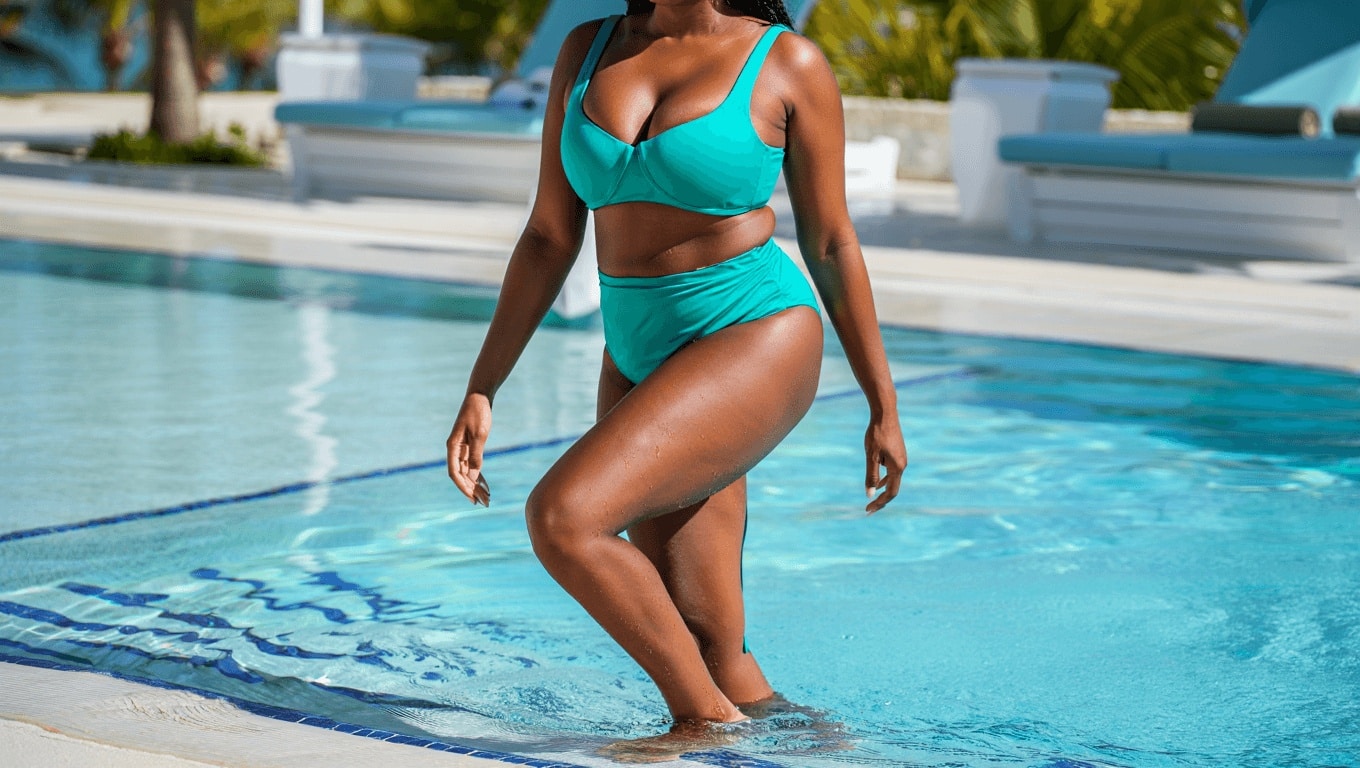
When a swimsuit promises both style and structure, shoppers pay attention. A one-piece that delivers elevated chest support can change how you feel at the pool or beach. This guide breaks down why supportive swimwear matters and how to spot pieces that flatter, hold, and last.
Why chest support matters in one-piece swimwear
Support affects comfort, confidence, and how a suit performs during activity. A well-designed one-piece keeps the bust secure without sacrificing shape. Look for engineering that redistributes weight and prevents strain on shoulders.
Key design features that provide strong support
Not all supportive suits are the same. Designers use several techniques to create structure and lift. Recognizing these details makes shopping faster and more effective.
- Underwire or molded cups: Add defined shape and lift while keeping fabric smooth.
- Wide, adjustable straps: Reduce pressure and allow a customized fit.
- High-quality elastic and inner bands: Secure the bust and prevent riding up.
- Ruching and paneling: Create a flattering silhouette and conceal areas you may prefer to minimize.
- Full lining and power mesh: Offer additional compression and long-term support.
How to choose the right size and style for support
Fit is the foundation of support. A suit that’s too tight will be uncomfortable. Too loose, and you’ll lose lift. Try these tips when you shop.
- Measure your bust and underbust to determine band and cup needs.
- Opt for suits with adjustable elements when between sizes.
- Test movement: raise your arms, bend, and walk to check for slippage.
- Read reviews for fit notes, especially about chest containment.
Styles that blend fashion and function
Designers are balancing trend and support, so you can have both. Popular supportive silhouettes include:
- Scoop and square necklines: Provide coverage while framing the bust.
- Plunge suits with supportive cups: Offer shape with a stylish low front.
- Tank-style one-pieces: Sporty and secure for active days.
Materials and construction to prioritize
Fabric choice impacts fit and durability. Look for blends that include:
- Nylon or polyester for strength and quick drying.
- Elastane (spandex) for stretch and recovery.
- Power mesh linings for internal support.
Maintenance tips to keep support intact
Proper care prolongs elasticity and structure. Follow these simple habits.
- Rinse suits in cool water after each wear.
- Hand-wash with mild detergent when possible.
- Avoid wringing; gently press out water instead.
- Lay flat to dry away from direct sun.
Who benefits most from high-support one-pieces
Supportive swimsuits suit many body types and needs. They are ideal for:
- Women seeking comfort during physical activities.
- Anyone wanting a smoother silhouette under cover-ups.
- Those preferring secure fit for travel or long wear.
Shopping smart: where to find reliable supportive suits
Retailers and brands vary in fit and construction. Check descriptions for technical terms like “molded cups,” “underwire,” and “power mesh.” Customer photos and Q&A sections often reveal real-world performance.
Similar Posts:
- Gwyneth Paltrow, Katie Holmes top celebs wearing dainty comfy summer shoes: from $24
- Adidas sneakers under $65 on Amazon: Jessica Alba’s supportive pick for step-heavy days
- Diane Keaton honored at Vogue World 2025: moving Annie Hall tribute two weeks after her death
- Fran Drescher masterclass: look put-together and stay comfy on long travel days
- Katie Holmes convinced me to trade tiny purses for roomy fall totes: from $23 on Amazon

Health advocate and wellness researcher, Dr. Monroe brings clarity to confusing health trends with science-backed advice. Her mission is to help readers live vibrantly, from the inside out.