
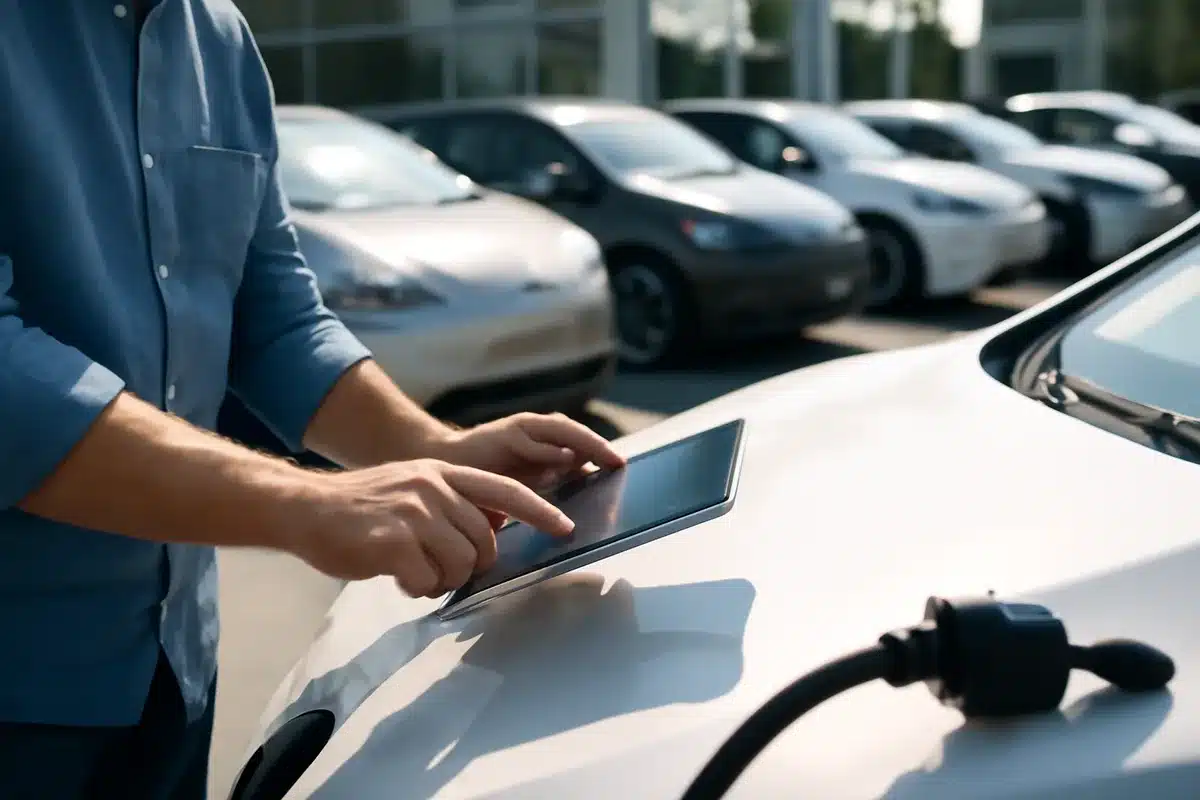
Used electric cars are moving off dealer lots faster than ever, as shoppers become more confident in second-hand EVs. New figures show turnaround times shrinking and demand rising, prompting dealers to change how they sell and support battery-powered vehicles.
Rapid resale: the numbers behind the surge in used EV sales
Recent market data reveals used electric vehicles are not lingering on forecourts. Average sale times have fallen sharply and many models now shift in under a month.
- Specialist leasing firms report a sharp rise in demand for pre-owned EVs.
- Some businesses have seen used-electric sales climb more than 100% year-on-year.
- Greater supply from fleet returns and leases ending is putting more models into the market.
Why drivers are choosing second-hand electric cars
Several factors are nudging motorists away from petrol and diesel. Improvements in battery life, wider model choice and lower prices for used EVs are convincing buyers to switch.
- Better technology and in-car features appeal to consumers.
- Reduced running costs and cheaper charging vs fuel.
- More public charging infrastructure eases range anxiety.
- Competitive prices on used EVs make the switch affordable.
How retailers are reshaping the sales approach for EV buyers
Dealerships report customers now arrive well informed. Sales teams are shifting from persuasion to guidance, helping buyers pick the right electric model for their needs.
Hands-on experience and honest technical advice are becoming central to the sales process.
Practical steps dealers are taking
- Encouraging sales staff to drive EVs regularly to build practical knowledge.
- Providing clear information about battery health and expected range.
- Offering test drives that focus on real-world charging and usage scenarios.
- Training teams on software updates and EV-specific maintenance.
Industry initiatives and events boosting confidence in used EVs
Trade groups and lenders are staging campaigns to showcase the quality and value of second-hand electric cars. These efforts aim to reassure buyers and support a smoother transition away from combustion engines.
- Sector-wide weeks and awareness campaigns highlight available models.
- Manufacturers and leasing firms share detailed battery reports.
- Independent checks and warranties are becoming more common for used EVs.
What to expect on the market as more EVs hit the second-hand pool
As leased EVs return in larger numbers, shoppers can expect increased choice and pressure on prices. That creates opportunity for households ready to move away from petrol and diesel cars.
Industry voices note that dealerships that focus on simplifying the switch will win customers.
Checklist for buying a used electric car
Prospective buyers should look beyond the badge. A quick inspection and a few targeted questions will reveal most risks.
- Battery health and capacity: ask for state-of-health data or recent diagnostics.
- Charging history: look for regular, balanced charging rather than constant rapid charging.
- Software and firmware: ensure the car has up-to-date updates from the manufacturer.
- Warranty and aftersales: check remaining warranty or available extended plans.
- Range in real conditions: request a real-world test drive on familiar routes.
- Service records and previous usage type (fleet, private, lease): this affects wear.
Similar Posts:
- Diesel sales crash: UK drivers rush to buy used electric cars
- EV demand soars: drivers panic over rising fuel costs
- EVs: drivers expected to ditch petrol and diesel as travel costs soar
- Chinese cars surge in UK as BYD, Jaecoo and Omoda dominate sales
- Kia’s new EV2 under £25,000: automaker pledges long-term shift to electric

Naomi is a clean beauty expert passionate about science-driven skincare and natural remedies. She demystifies ingredients and shares routines that empower readers to glow — naturally.