
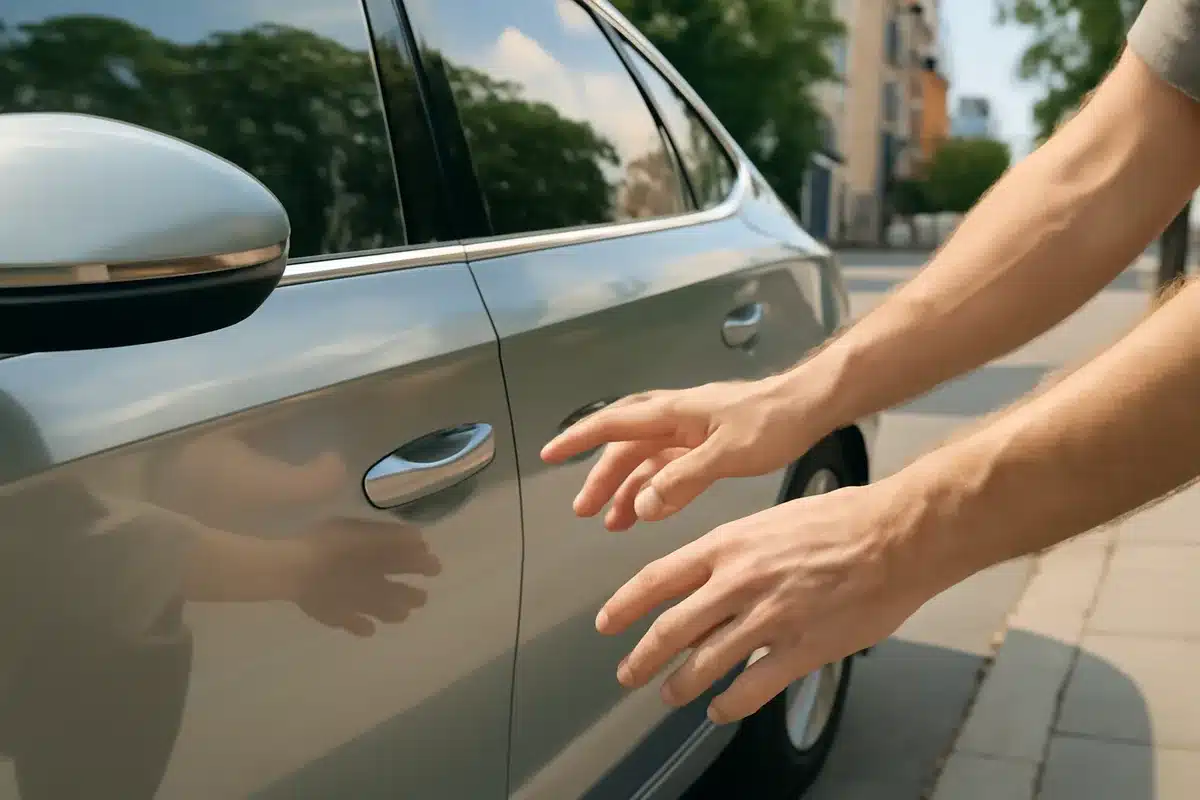
China has ordered a sweeping recall of more than four million cars because a popular design choice — flush or “hidden” door handles — is now seen as a potential safety risk. The move affects models from Tesla and several major Chinese EV makers, and comes amid concerns that the streamlined handles can slow escape and rescue in crashes.
Which vehicles are included in the recall and scale of the action
The recall covers over four million vehicles sold in China. The largest single batch involves nearly three million Tesla cars. Other affected brands include major Chinese automakers that adopted flush door handles as part of their sleek EV designs.
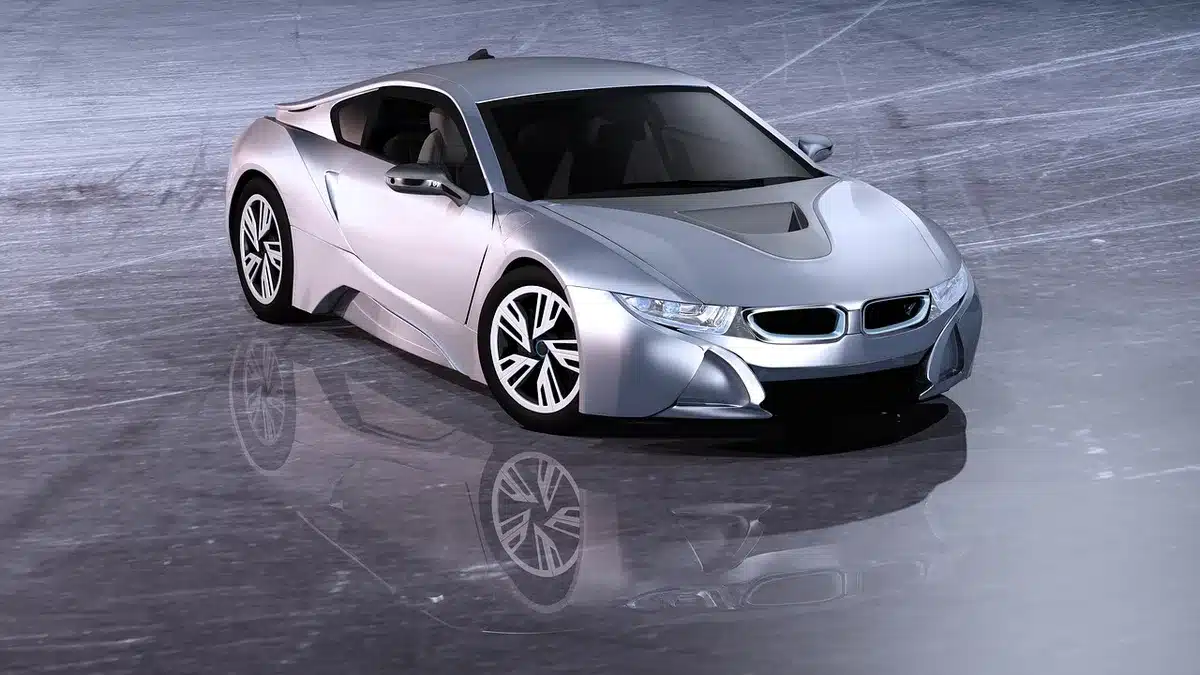
- Tesla — about 2.98 million Model 3, Model Y, Model S and Model X units, both imported and locally built, listed in Tesla’s filing with regulators.
- Xiaomi — roughly 390,000 vehicles included in the recall.
- Leapmotor — about 371,000 cars affected.
- Xpeng — around 264,000 vehicles to be recalled.
Official reasons: the safety issues regulators flagged
Chinese regulators say recessed handles can be hard to find in an emergency. That difficulty may delay occupants leaving a vehicle and could hamper rescuers trying to get people out. The State Administration for Market Regulation set specific clearance standards to ensure handles are accessible.
In addition, carmakers warned that, in rare and extreme crash scenarios, certain systems could fail. Tesla noted a severe collision might cause low-voltage systems to stop working — a condition that could make door opening harder for both passengers and rescuers.
New technical rules and compliance deadlines for door handles in China
The new standard requires passenger door handles to include a recessed space large enough for hand access. The specified minimum dimensions are more than 6cm by 2cm by 2.6cm.
- Vehicles already approved for sale or nearing market entry have a limited grace period.
- Regulators allowed roughly a two-year transition window for those models.
- Recalled cars will receive remedies such as warning labels inside doors and, where possible, software updates.
What manufacturers say and the immediate fixes planned
Tesla and other makers will attach warning stickers inside doors on recalled units. Some firms also intend to push software patches to change how handles behave or warn users.
Industry spokespeople acknowledge labels and updates are stopgap measures. Experts argue physical redesigns will be needed for a lasting fix.
Industry reaction and expert views
- Consumer feedback raised the alarm after drivers reported trouble locating or operating flush handles during stress or low-light conditions.
- Analysts warn that adhesive labels or software changes may not resolve real-world rescue delays.
- Tu Le, founder of a China-focused auto research group, suggested regulators and the public expect concrete engineering changes rather than temporary patches.
Design trends under pressure: could flush handles disappear globally?
Flush door handles became fashionable after premium EVs popularized the look. Designers praised the clean lines and improved aerodynamics.
But the Chinese decision may force a rethink. About three in five of China’s top 100 new-energy vehicles reportedly feature hidden or recessed handles. Even though the ban targets cars sold in China, global model lines could be adjusted to meet the new safety expectations.
Practical impacts for owners and what to expect next
Owners of affected cars should watch for official recall notices and instructions from manufacturers. Expect some combination of door stickers, software updates and, in time, design changes on new models.
- Check official communications from your vehicle brand or the national regulator.
- Do not rely solely on temporary stickers; follow any safety guidance issued.
- Monitor factory or dealer announcements for longer-term retrofits or replacements.
Broader safety and regulatory implications for the EV market
The recall illustrates how safety rules can reshape vehicle aesthetics and engineering choices. Regulators balancing form and function now press automakers to prove that stylish features do not compromise rescue or evacuation.
The result could be a faster move away from hidden handles across more brands. Carmakers worldwide will watch China’s approach closely as they plan future models and safety compliance strategies.
Similar Posts:
- 4 million vehicle recall sparks DVSA review of safety rules
- BYD recalls 115,000 electric cars: battery and design defects raise safety fears
- Tesla £35,000 electric car could topple Chinese rivals
- 760,000 vehicles recalled: Toyota, Kia and major brands warn of serious safety risk
- 800k vehicles recalled over fire risk: fears people could be trapped

Naomi is a clean beauty expert passionate about science-driven skincare and natural remedies. She demystifies ingredients and shares routines that empower readers to glow — naturally.