

Kailee Lowe says her life changed in an instant when she faced a loss that erased the role she had always known: being a mother. She describes raw days of disbelief, nights that changed her sleep, and the slow work of learning how to live while still holding memory. Her story moves from private grief to public sharing, as she seeks meaning and connection beyond the hardest hours.
When motherhood was suddenly interrupted
The moment that altered everything did not arrive with warning. Kailee recalls a rush of emotions: shock, anger, and a deep sense of unpreparedness. To her, the identity of mother was not a temporary duty but the center of her days. Losing that role left a gap she did not expect.
She felt unready to stop being a mother, and that helplessness became part of each morning.
Daily steps through grief and the small rituals that helped
Grief didn’t follow a timeline. Kailee built tiny routines to anchor herself.
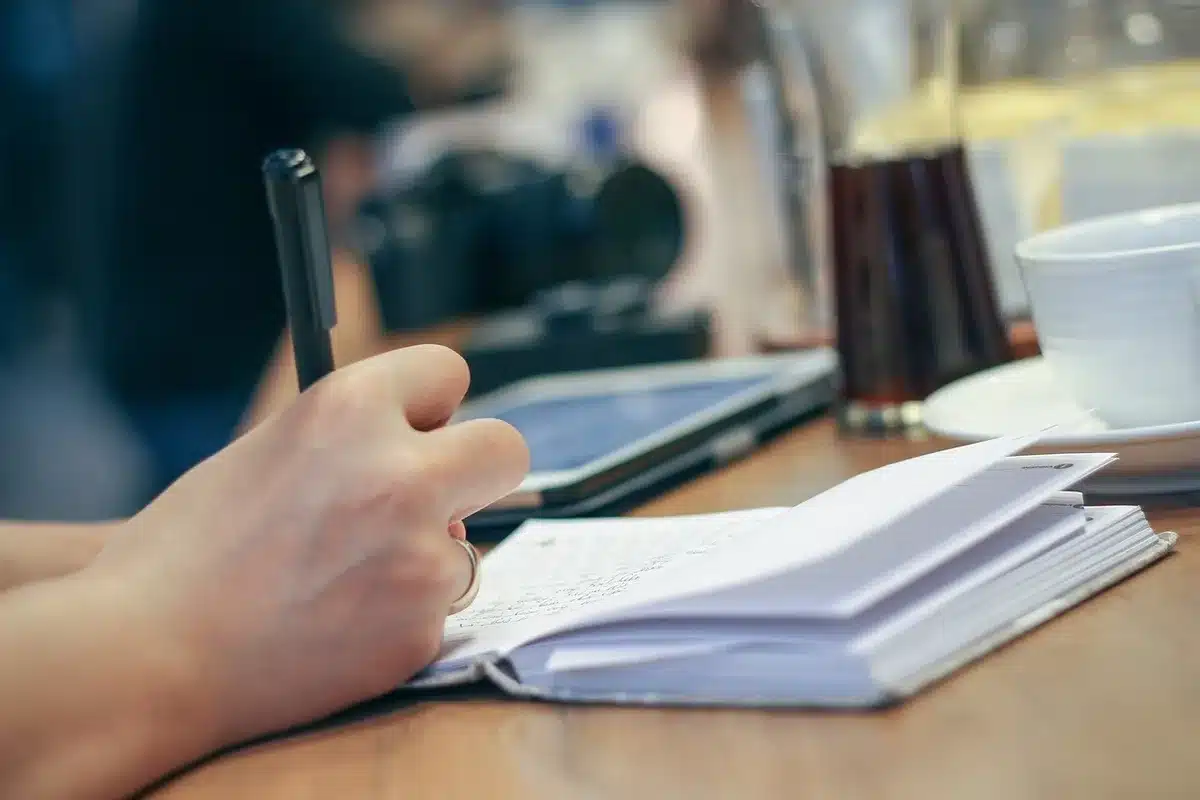
- Keeping a daily journal to name feelings and small victories.
- Setting simple tasks: feeding a plant, making breakfast, light walks.
- Allowing herself private memorials, like lighting a candle.
- Turning to therapy and grief counseling for structured support.
These actions did not erase pain. They created pockets of stability on fragile days.
Family, friends and unexpected pillars of support
Close family members became the immediate safety net. Some offered silent presence. Others organized meals and child care for relatives. Friends stayed with calls, messages and visits.
Community response
Neighbors and online groups also played a role. Virtual message boards and local bereavement groups opened doors to people who understood specific sorrow.
Community helped translate loneliness into company, Kailee says. It made practical tasks feel manageable.
From private pain to public voice
Over time, Kailee began to speak about her experience with wider audiences. She shared memories and practical tips to help other families facing loss. That sharing felt risky. It also felt necessary.
- Writing essays to express what words alone couldn’t hold.
- Joining advocacy efforts for bereavement resources.
- Participating in panels about parental grief and resilience.
Turning sorrow into outreach gave her a channel for the intensity she could not carry alone.
How the experience reshaped daily life and identity
Routine adjustments reshaped home life. Small physical reminders, like clothes or toys, stayed part of the space. Kailee learned to navigate moments when memory suddenly flooded in.
Practical changes at home
- Creating a memory corner with photos and keepsakes.
- Scheduling grief days where she permitted herself to rest.
- Sharing stories with loved ones to keep memory active.
Identity shifted but did not vanish. Motherhood remained a thread inside a larger, evolving self.
What friends and professionals recommended
Therapists, clergy and peers suggested several helpful approaches. Kailee tried different combinations until she found what worked.

- Regular therapy sessions to process trauma and grief.
- Joining a support group of parents with similar losses.
- Engaging in creative outlets such as writing or art therapy.
- Allowing time off work to focus on healing when needed.
Each step offered tools to rebuild routines that honored both sorrow and life moving forward.
Guidance for other parents navigating sudden loss
Kailee often speaks directly to other grieving parents. Her practical advice centers on permission and pacing.
- Give yourself permission to feel everything without judgment.
- Ask for help; people want to support you but may not know how.
- Find small, repeatable rituals that bring comfort.
- Seek professional help if emotions become overwhelming.
She emphasizes that healing is not linear, and that small, steady actions can make days more bearable.
Where she turned for resources and connection
Kailee used a variety of resources to find support. She recommends several types of organizations and services for those in similar situations.
- Local bereavement groups and hospital-affiliated counselors.
- National hotlines and online support communities.
- Books and podcasts focused on parental loss and resilience.
- Faith-based groups for those who seek spiritual guidance.
These options offered different kinds of comfort. She encourages trying more than one path.
Similar Posts:
- Paralyzed 14-year-old girl from neck down after rare spinal stroke: was recovering from flu
- Taye Diggs on losing both parents to cancer: the heartbreak that changed everything
- James Van Der Beek remembered: Paula Cole explains why she missed the Dawson’s Creek reunion
- Nicole Kidman reveals she’s training to become a death doula after mother’s passing
- Miscarriage: celebrities open up to help others
Health advocate and wellness researcher, Dr. Monroe brings clarity to confusing health trends with science-backed advice. Her mission is to help readers live vibrantly, from the inside out.