

Claire Macdonel, a teen from Texas, described a harrowing water encounter that left her shaken and tearful. Her account has sparked questions about beach safety and how swimmers can protect themselves from unexpected marine encounters.
How the incident unfolded near the shore
According to family members, the episode happened while Claire was enjoying time in shallow water. She later told reporters she felt overwhelmed with fear and could not stop crying. Her emotional reaction underscored how frightening a sudden marine encounter can be, even when physical injuries are minor.
Eyewitness details
- Friends and relatives said they rushed to help as soon as they noticed Claire upset.
- Onlookers described a short but intense scene that ended with Claire being escorted out of the water.
- Local responders checked on her before she left the beach area.
What experts say about barracuda interactions
Marine biologists note that barracudas are curious predators but rarely seek out humans. They often investigate shiny objects and sudden movements. Close encounters are usually accidental, driven by curiosity or mistaken identity.
Behavioral context
- Barracudas hunt fish and are attracted to quick flashes and reflective gear.
- Most interactions do not escalate into serious attacks.
- Still, any bite or scrape in marine water requires prompt attention to avoid infection.
Immediate care and medical considerations
First aid after a marine bite or close encounter focuses on bleeding control and infection prevention. Local responders often:
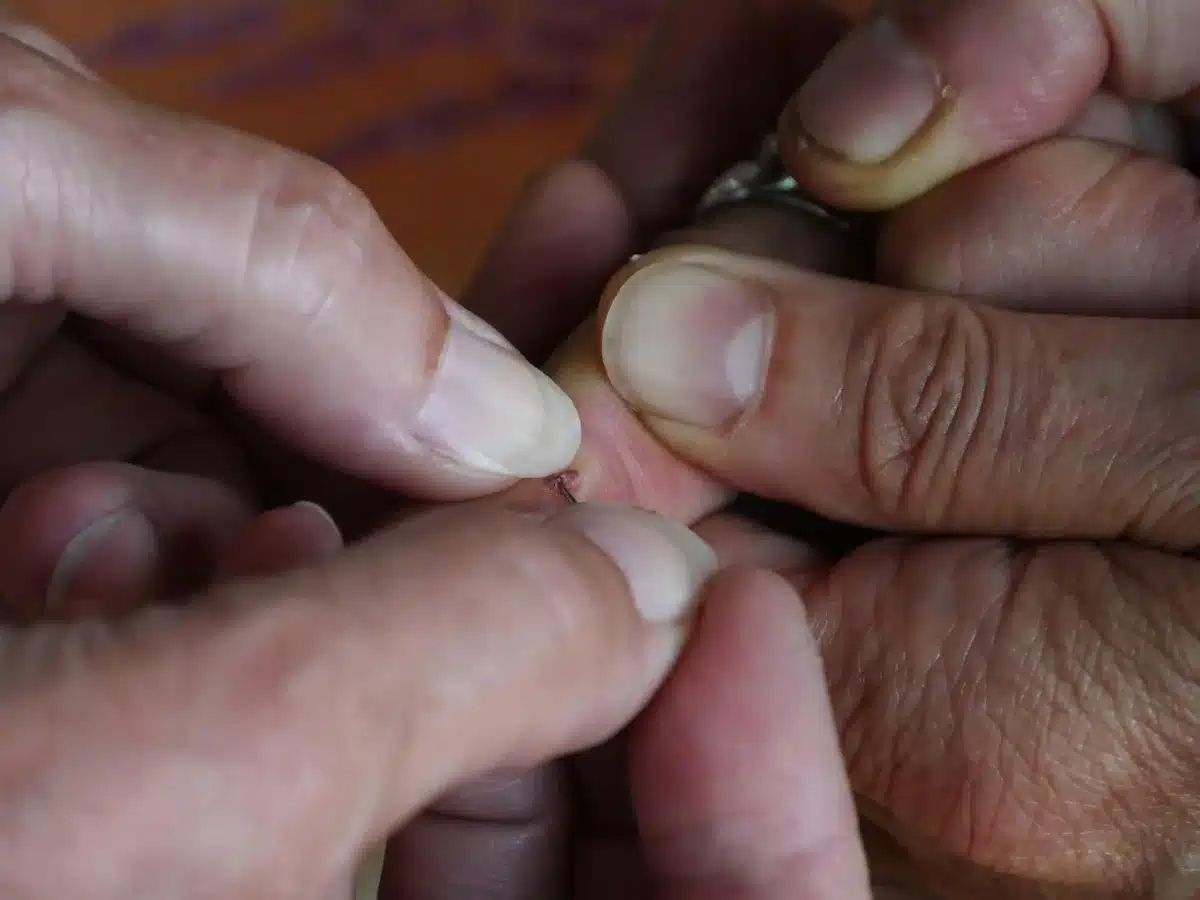
- Clean and dress wounds
- Advise on tetanus boosters when needed
- Recommend follow-up with a healthcare professional
Prompt wound care reduces the risk of complications, especially in warm saltwater where bacteria can proliferate.
Safety tips for swimmers and snorkelers
Simple precautions can lower the chance of an unsettling encounter with marine life. Consider these safety habits:

- Avoid wearing shiny jewelry in the water
- Keep movements calm and predictable
- Stay in groups rather than swimming alone
- Be cautious near areas with lots of baitfish
- Follow local beach advisories and lifeguard guidance
Community reaction and recovery steps
Claire’s family thanked bystanders and responders for their quick help. Friends have rallied around her as she processes the experience. Emotional recovery after a frightening event is as important as physical care, according to mental health professionals.
Support measures
- Talk about the event with trusted friends or family
- Seek professional help if anxiety persists
- Gradually reintroduce water activities when ready
How to report and learn from marine encounters
Reporting close calls helps authorities track wildlife behavior and keep beaches safer. If you experience or witness a troubling encounter, consider:
- Notifying lifeguards or local officials
- Documenting time and location details
- Sharing observations with marine safety programs
Data from these reports can guide warnings and educational campaigns for beachgoers.
Similar Posts:
- Mike Wolfe discharged from hospital: remains at girlfriend’s side after she was airlifted
- 2 dead after plane slides off runway, hits vehicle and plunges into ocean
- Justin Bieber’s NSFW reaction to Hailey’s barely-there bikini photos
- Discover Sardinia’s Top Beaches: Here’s the Complete List!
- Craig David rescues flying fish in surreal video: ending shocks fans

Health advocate and wellness researcher, Dr. Monroe brings clarity to confusing health trends with science-backed advice. Her mission is to help readers live vibrantly, from the inside out.